Orchard Game

Apples. Pears. Cherries. Plums. Basket. Raven. Any of these words ring a bell? 

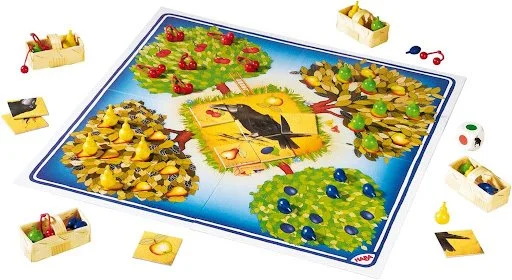
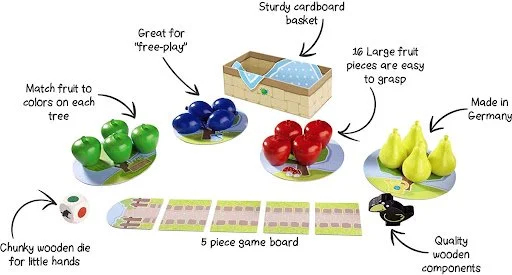
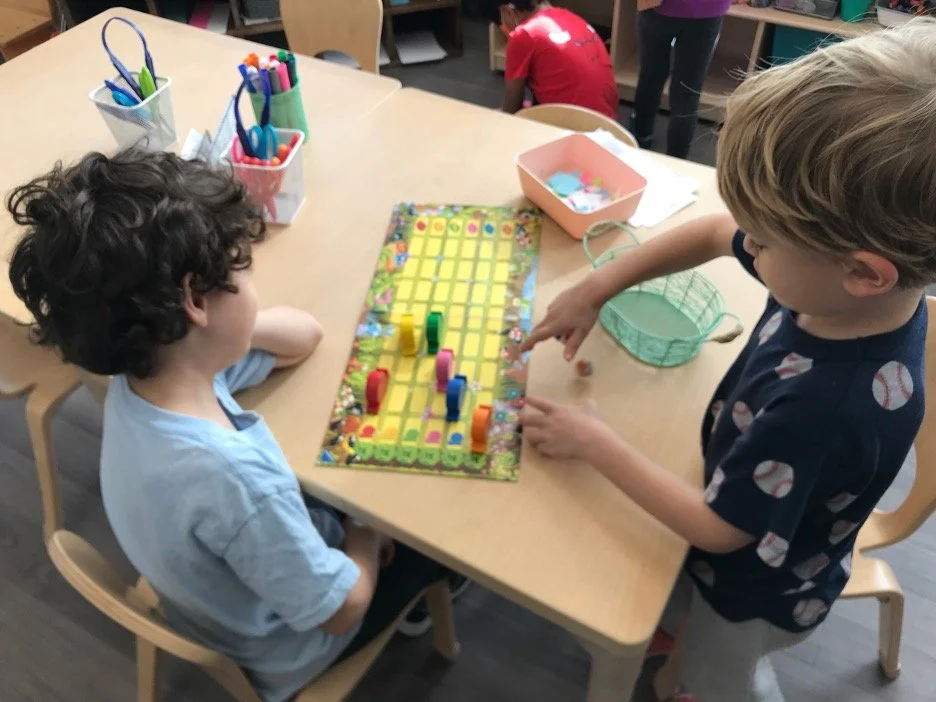
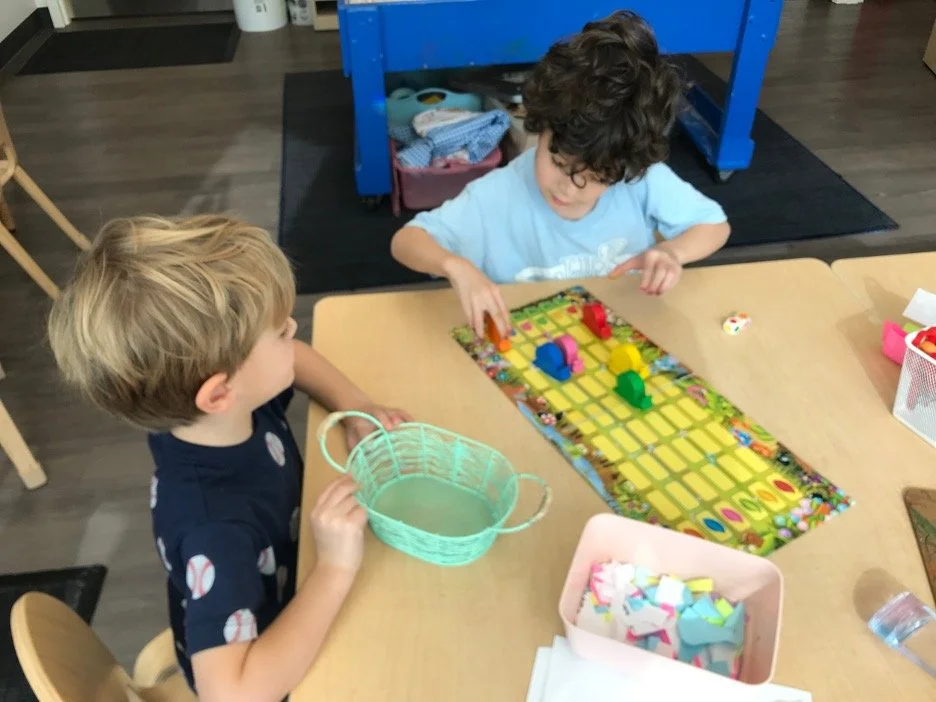
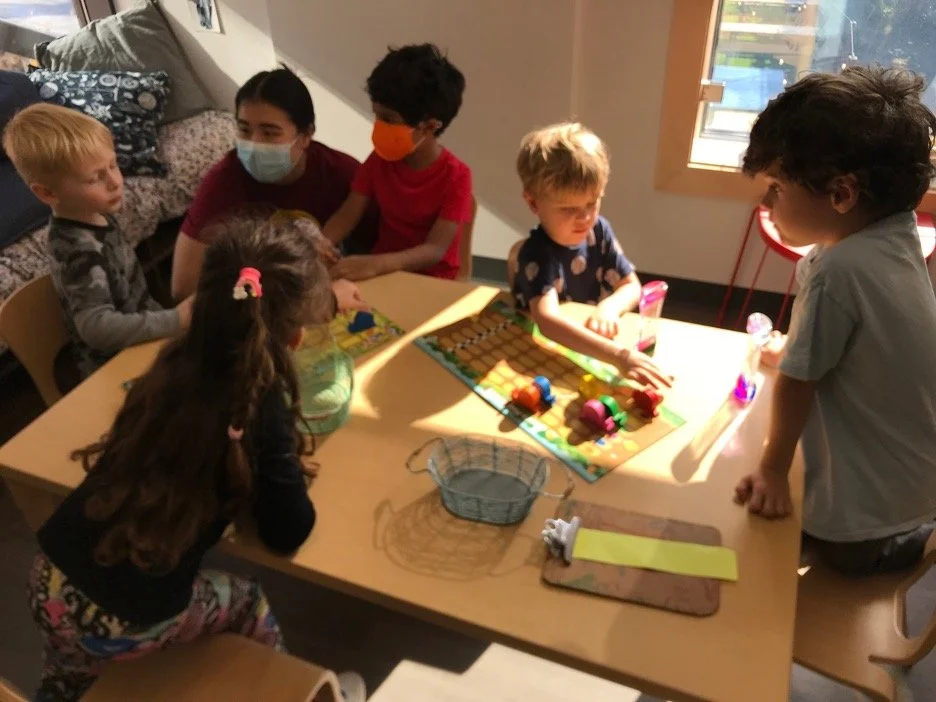
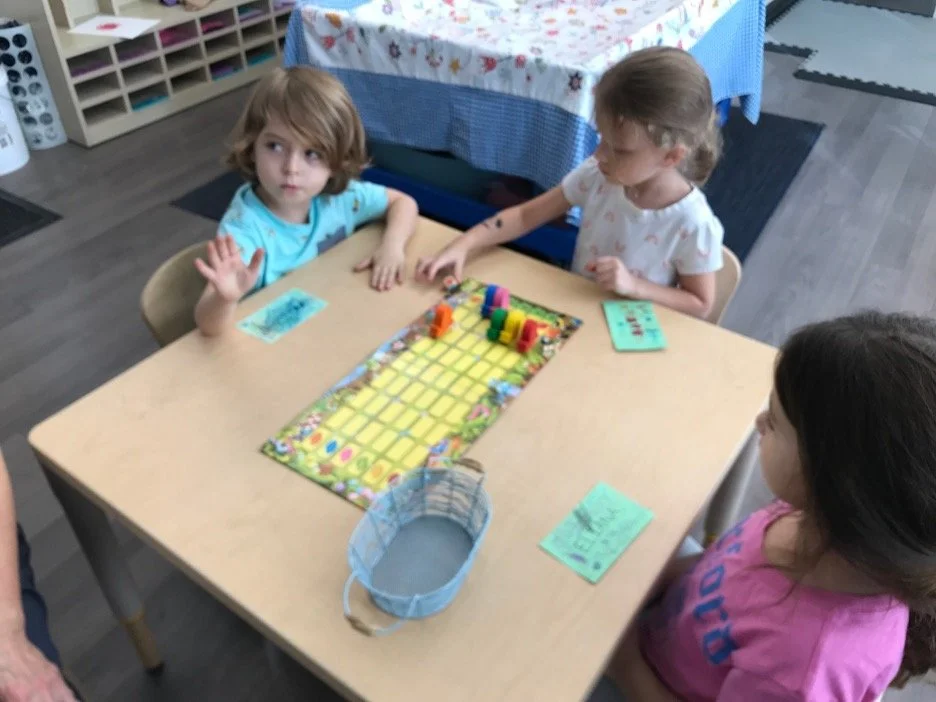
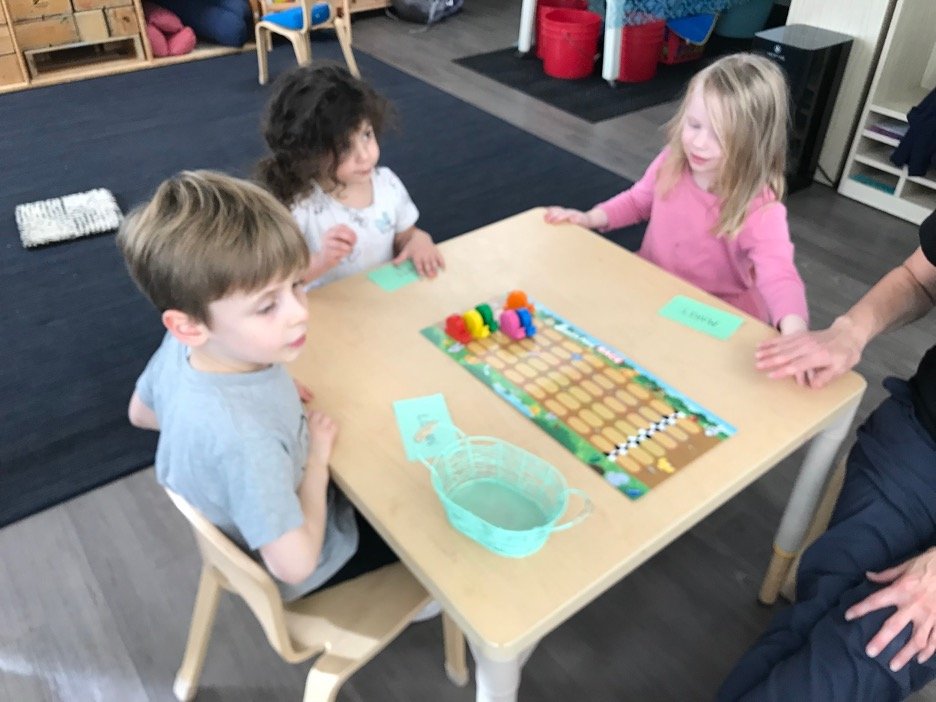
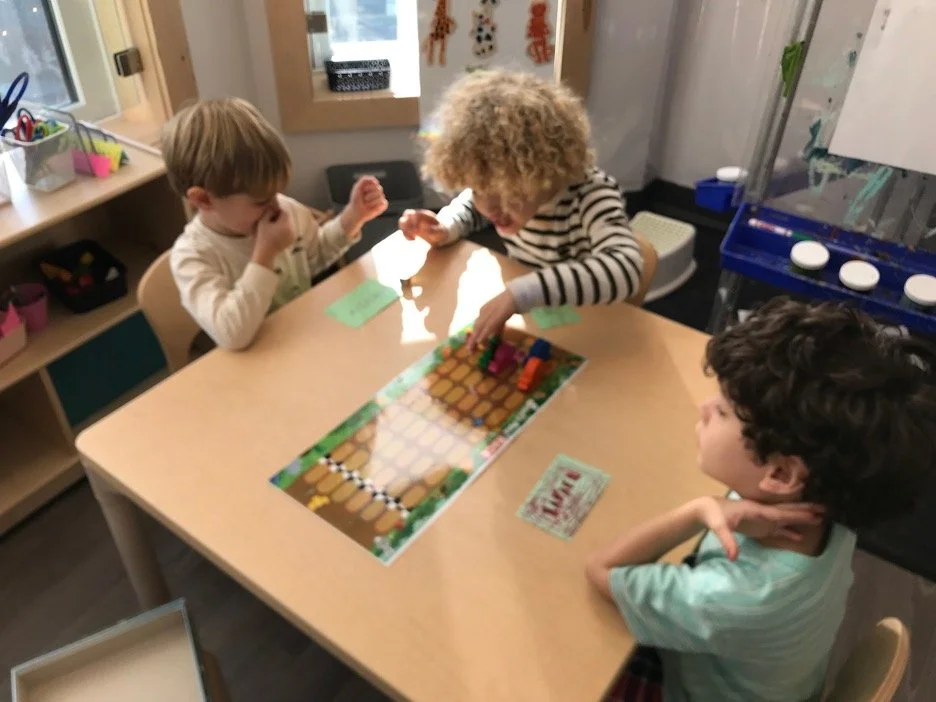
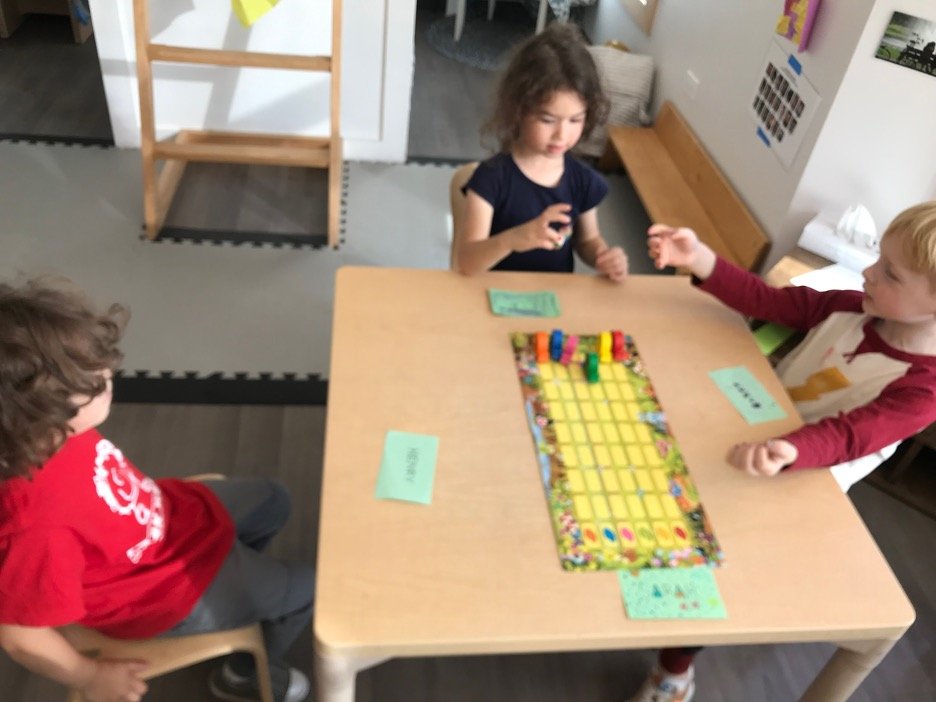
A few weeks ago, teachers introduced a new board game, “Orchard.” Players work together to collect all of the apples, pears, cherries and plums off of the trees in the orchard before a raven (or black bird) comes to eat the fruit. Kids watched as teachers showed how to roll the die and select 1 fruit that matches the color on the die. If the raven image is rolled, a piece of the raven puzzle gets added to the middle of the game board. If the basket image is rolled, the player can choose any 2 pieces. The goal is to “pick” all of the fruit off of the trees in the Orchard before the raven puzzle is finished. Otherwise, the raven comes to eat the fruit and the game is over. Teachers once again demonstrated the process of game play, and modeled how to communicate about turn-taking, give reminders about the rules, express any feelings that come up during their turns, “I really wanted “blue” for a plum! I don’t have a plum yet.” Kids and teachers offered ways to support each other during those moments. Since then, groups of kids have enjoyed playing rounds of this game during play time. Sometimes kids like to pretend to make fruit pies and jam with the gathered fruit. There are even times when a piece of fruit is offered to the raven even though the players have won. Cooperate board games such as Orchard are great ways to practice waiting for a turn, following a procedure, noticing and talking through what is happening, strategizing about what will help the team and delaying self-gratification (this means sometimes picking from the tree that still has a lot of fruit as opposed to your favorite kind). 

Here is the version we’ve been playing at school:

There is also a version for younger children (24 months+), called “My First Orchard.”

All the best,

Anita and Sarah

Marble Painting

Hi there,

Have you been hearing about Marble Painting?

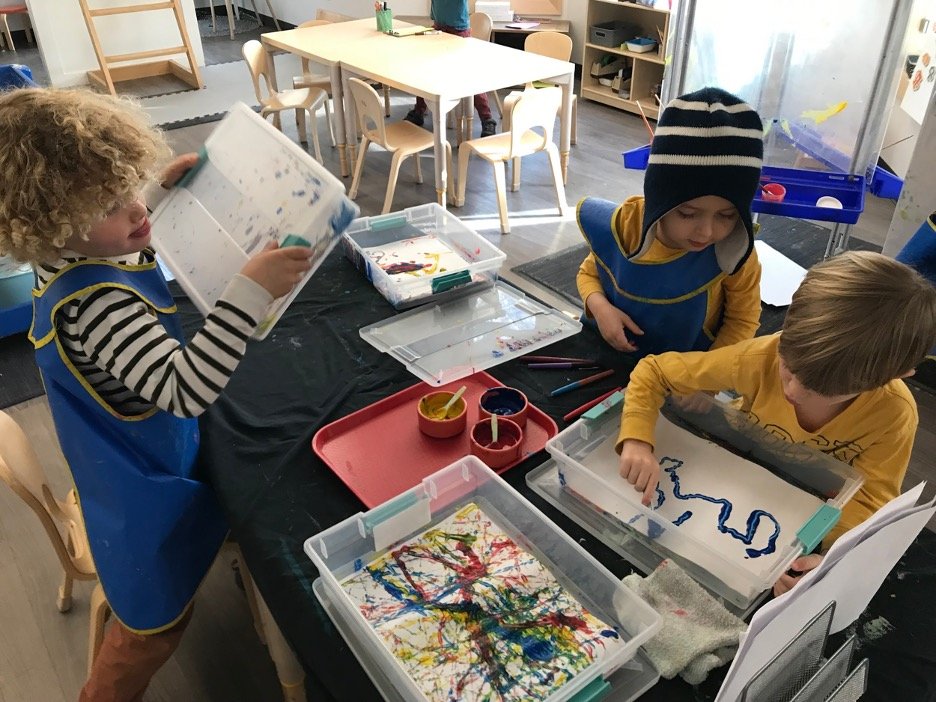
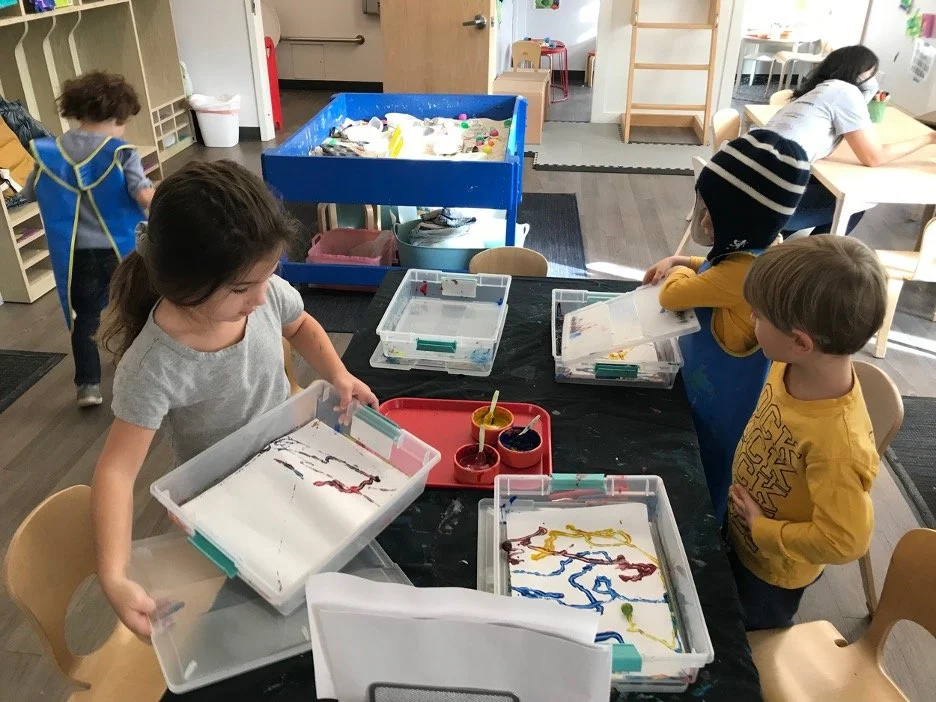
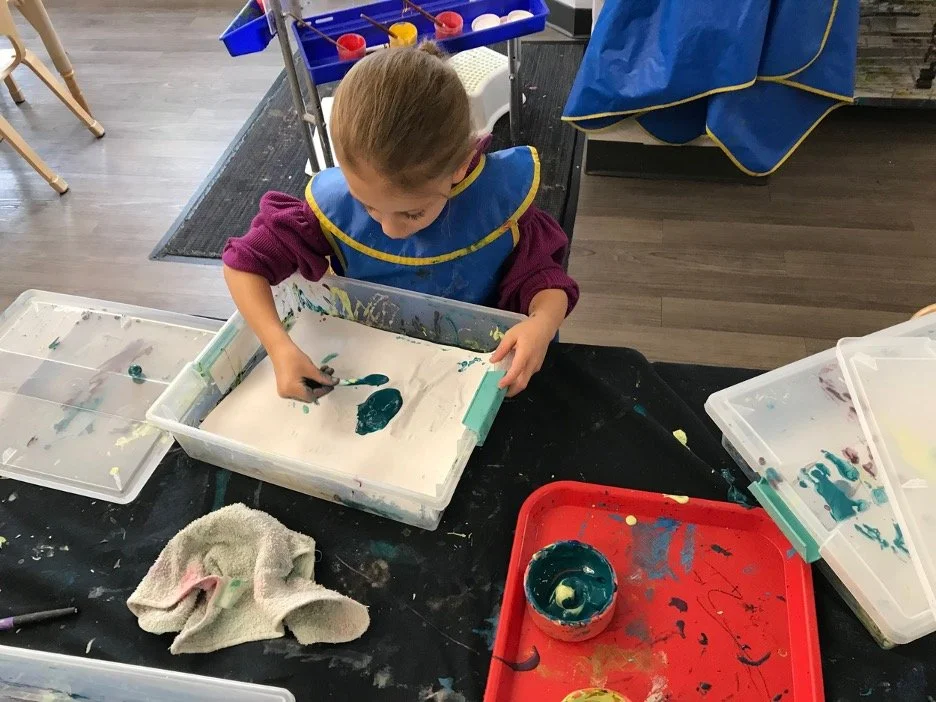
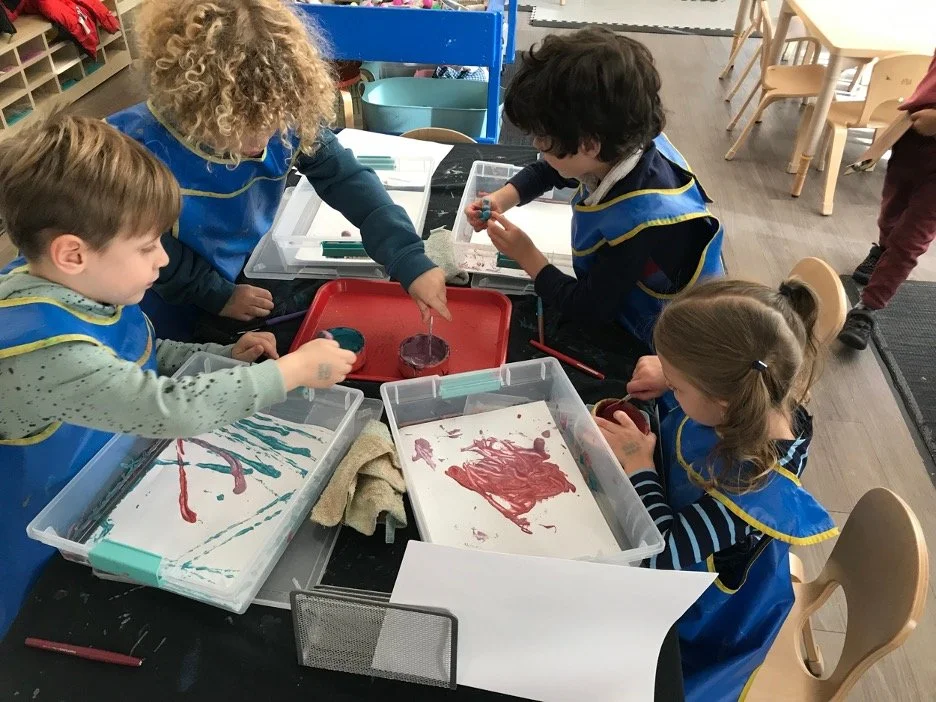
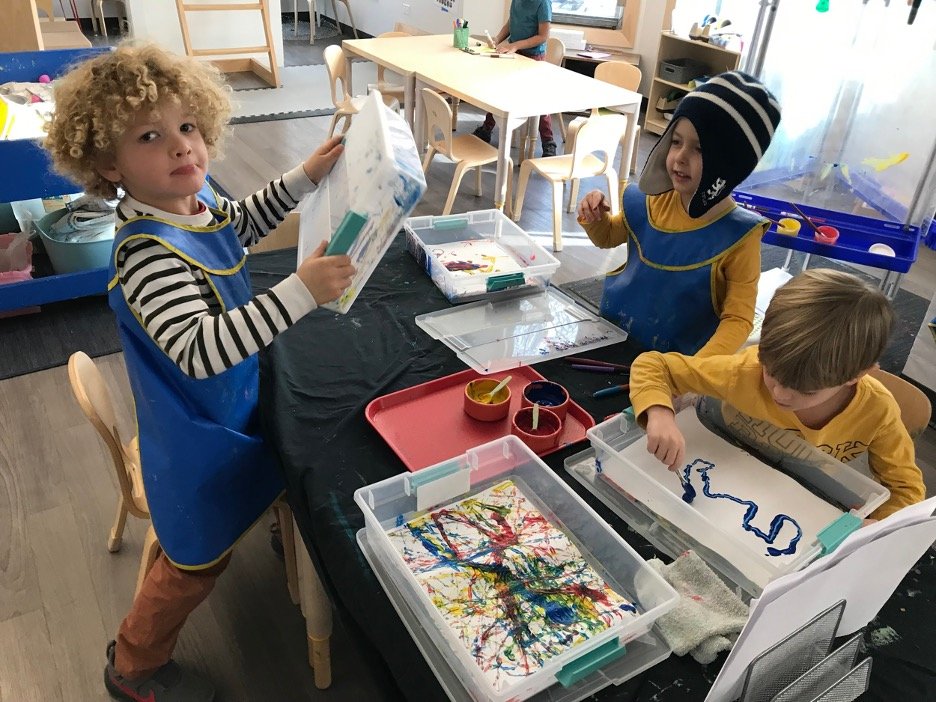
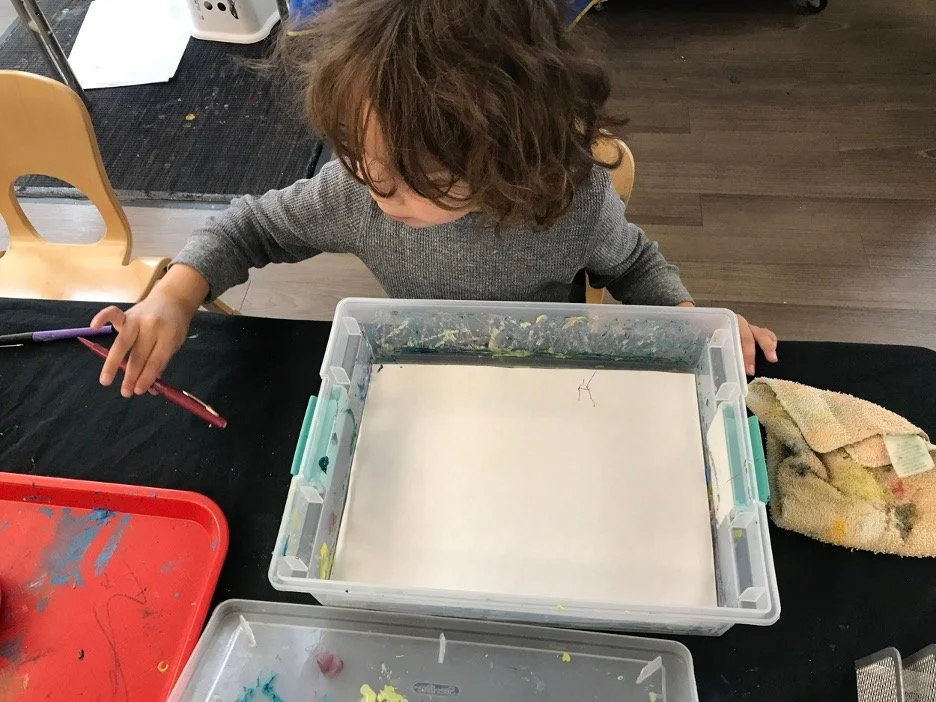
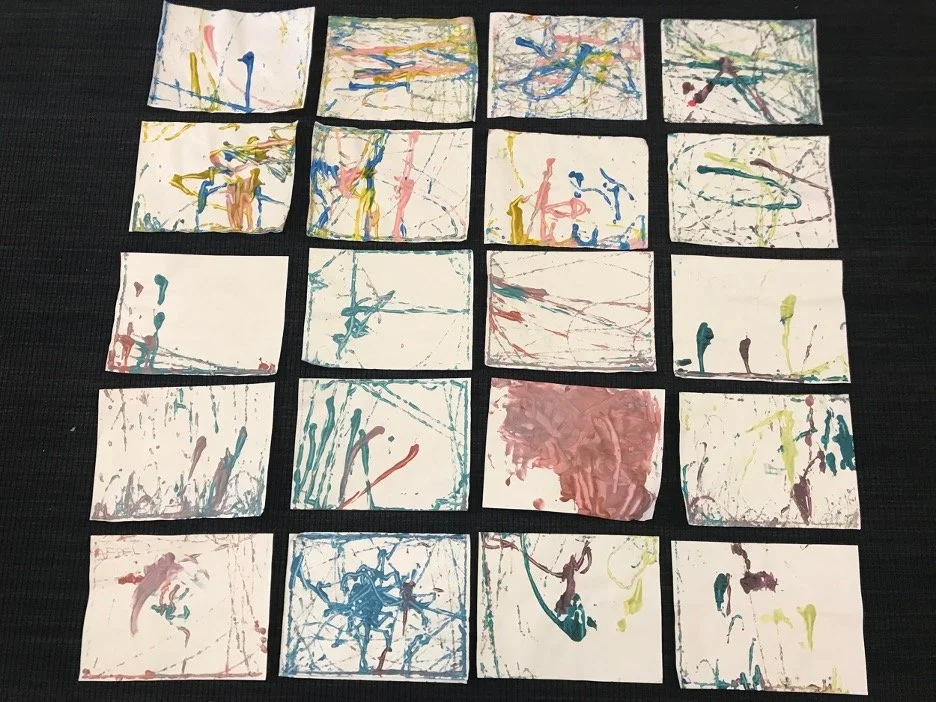
It was our art project this past week. This is a multi-step project that incorporates fine motor and hand-eye coordination skills, and involves physics! There are quite a few steps to remember and fun ways to experiment in the process: put your name on your paper, flip it over, place it into the plastic container, try to pick up a slippery, painty marble with a small spoon, drop it onto your paper, return the spoon, or use the spoon to push your marble around on your paper, help the marble move about your paper by tilting the container, take out the marble with the spoon (sometimes fingers!), choose another paint color, or use the spoon to roll the marble around in order to cover it with more paint! Plop that marble down and have another go. Phew! Oh, and once finished, replace the marbles, the spoon, place your painting on the drying rack and remove your smock. With each experience, children start to get this process down. Many were enjoying all of the discoveries they made such as: if you secure the lid onto the container, you can shake the container about as fast as you can. Clickity, clickity, clickity! Often, children like to experiment by adding more than one marble at a time, or to observe the marble’s path as the child slowly tilts the container. Noticing that the marble’s path can be averted mid-roll by shifting the container’s position is also a thrilling discovery!

If you’d like to try this project at home, below are the steps and some helpful tips.

Have fun!

Anita Chris Sarah

MARBLE PAINTING

Fill 3 small cups with each paint color (or just use 1 or 2 colors if you want)

Write your name on a piece of paper (optional, but an opportunity to practice writing).

Flip the paper over and put the paper into a box (we have used Sterilite containers with lids or plastic shoe boxes)

Put a marble or 2 in each paint cup

Use a spoon or small tongs to move the marble around in the paint so it’s covered

Use spoon or tongs to pick up a marble and place it on the paper in the box

Pick up the box and gently move it around to help the marble roll along the paper inside

See how the marble has covered the paper with paint

Try it with a different color, or using multiple marbles at once

Try snapping the lid on. Kids can move or shake the container faster and look through the sides. 

Remove the lid and take a look at the painting

Remove the marbles with the spoon or tongs

Take the paper out and let it dry in a safe spot

Tips

-For less mess, you can use a box with a lid.  However one of the best parts of marble painting is watching the marbles roll as you tip the box.  So, if you don’t have a lid, try using plastic wrap to cover the box!

-Feel free to use more colors if you would like.  Just be aware that you will then need more cups, more balls, and spoons.  

-It’s a great multi step project: see if they can remember the order of the process.

-Body/eye coordination: If they want to make the marble go left, they will have to tilt the box towards that way.  Usually the first instinct is to move side to side making horizontal lines.  Ask how they can make lines up and down (vertically).  Maybe on a new piece of paper, challenge them to only make dots (if you have a lid or plastic wrap)- what kind of movements will that require?  For your older kids, what about the tricky diagonal line or zigzags?

Songs

Throughout the year, singing songs and doing fingerplays can serve many purposes. Of course, there is the fun of singing, and singing together. Most children respond to music, and come to school already knowing some songs, so we include old familiars like Twinkle Star to offer a sense of connection from home to school. We want to foster the joy of singing, and to encourage the sense of community that can come from singing with a group. 

We use name songs in the beginning of the year to familiarize kids with each other, and they can find it thrilling (or, maybe off-putting) that there is a song with their name in it. We also use name songs for transitions, providing some structure and fun to the task of taking turns to wash hands for snack, or gathering at the end of gym time. Turn-taking songs are a lesson in being a part of a group, as kids wait their turn, hear kids’ differing ideas and begin to understand the system of raising a hand to indicate they want a turn. 

We also know that singing together is a great way to play with language, rhythm and rhymes, numbers, sequencing, counting and counting down. Songs can introduce a variety of concepts, and offer a new way to think about things. Singing songs in different ways, or adapting songs, is a nice way to suggest that we have the agency to have different ideas, and that there is no one way to do something. Fingerplays are a good way to help kids isolate finger movements and build flexibility and strength in their fingers, and action songs can get kids moving their bodies. Sometimes we just sing something we might otherwise say, in an effort to capture kids’ attention and make a playful connection.

At our conferences many of you shared that your child is singing school songs at home, so we thought we’d provide lyrics to some, to help you sing along. We’re also including a link to a recording of David, a former Park West teacher, singing The Tree in the Valley.


The Tree in the Valley

“There was a tree, a very fine tree, the finest tree that you ever did see. (hold both arms up)

And the tree, was a-way down in the valley-oh!” (swoop hands down to indicate the valley)


“There was a branch, a very fine branch, the finest branch that you ever did see.” (one arm up)

“and the branch was on the tree (repeat tree action)

And the tree, was a-way down in the valley-oh!”

(now add each additional part, repeating the previous words and actions)


“There was a twig (hold out one finger)

a nest (cup two hands together);

an egg (hold out a fist)

a bird (finger and thumb open and close to indicate a beak) 

a feather (wiggle little finger)

(so that the last verse will be)

“There was a feather, a very fine feather, the finest feather that you ever did see.

And the feather was on the bird, and the bird was in the egg, and the egg was in the nest, and the nest was on the twig, and the twig was on the branch, and the branch was on the tree, and the tree was a-way down in the valley-oh!”

FINGERPLAYS
Three Green and Speckled Frogs

Three green and speckled frogs (hold up three fingers)

Sitting on a speckled log (hold other hand under the three)

Looking for some most delicious bugs. (“yum yum,” or slurping noise)

One jumped into the pool (jump one finger in, and swim around)

Where it was nice and cool

Now there are two green speckled frogs. (hold up two)

Sitting on a Log.

(Repeat until no more are left, and then:)

Now there are no (or zero) green speckled frogs.

“Glub glub.”


Three Orange Pumpkins

Three orange pumpkins sitting on the fence (hold up three fingers)

The witch comes flying by (fly other hand toward pumpkins)

“Hee, hee, hee,  I’ll take one home (“pick up” one finger, tuck away)

to make some pumpkin pie.”

(countdown until none left, then)

“No more pumpkins sitting on the fence

The witch comes flying by.

‘Boo, hoo, hoo,’ (rub eyes, cry) ‘What shall I do?’(palms up)

No more pumpkin pie.”

SONGS WITH TURNS

Icky Sticky

“Icky sticky, icky sticky bubblegum, bubblegum, bubblegum…..Icky sticky, icky sticky bubblegum, makes my hand stick to my_____________.(name a body part or place – “stick” hand there) 

And I pull it, and I pull it, and I pull it away!” (mimic pulling away stuck hand)


Bubbling Hot

(we pretend to get out a big pot, and stir the ‘soup’)

 “Bubbling, bubbling, bubbling…..HOT! (clap)

Look to the moon!

And, laugh like a loon.” (laugh)

(then, kids suggest items to put into the soup, which we add in turn, saying the item and putting it into the pot)

for instance, if one child says peas and one says rocks, we say:

 “Peas and Rocks!

Peas and Rocks!

Peas and Rocks!

(stir again) Bubbling, bubbling, bubbling…..HOT!”

(silly things and real foods are equally popular additions to our soups - though at least one child will let everyone know, “Rocks (or any silly idea) don’t go in soup!!) 

ACTION SONGS

The Sailing Ship

“When I was one (hold up one finger) 

I had some fun, on the day I went to sea. (two claps)

I jumped on board the sailing Ship (jump, if standing; if sitting, clap both hands on lap)

And the Captain said to me, 

‘Everybody go this way (both thumbs up, point them and lean body to the right)

Go that way (thumbs point, lean body left)

Go forward (thumbs point, bend body forward)

Go backward (thumbs point, bend body backward)

Over the deep blue sea.’” (two hands make waving motions)

(Follow with more numbers, rhymed with actions ie

two, tie my shoe; three, climb a tree; four, knock on the door; five, take a dive)

The Old Grey Cat

(children can choose to be either a cat or a mouse, and  act out the motions)

“The old grey cat is sleeping, sleeping, sleeping. 

The old grey cat is sleeping, in the house. 


The little mice are creeping, creeping, creeping. 

The little mice are creeping, in the house.


The old grey cat is stretching, yawning, stretching. 

The old grey cat is stretching, in the house.


The little mice are nibbling, nibbling, nibbling. 

The little mice are nibbling, in the house.


The old grey cat is chasing, chasing, chasing. 

The old grey cat is chasing, in the house.


The cats and mice are dancing, dancing, dancing. 

The cats and mice are dancing, in the house.” 

(Yes, rather than end with the inevitable kill, we include a silly verse!)

All the Leaves (to the tune of London Bridge is Falling Down)

“All the leaves are falling down, falling down, falling down (fingers flutter in the air, from up high to down low)

All the leaves are falling down - let’s rake them up. (raking motions)

Rake them in a big, big pile, big, big pile, big, big pile.

Rake them in a big, big pile.

Then, let’s jump in! (jump)

Rake them in a big, big pile, big, big pile, big, big pile.

Rake them in a big, big pile 

Then, put your rake away.” (motion putting rake away)

NAME SONGS

Do a Little Dance

“Do a little dance, Johnny…Do a little dance, Johnny… Do a little dance, Johnny….Yee Ha! Now it’s time to sit back down!”

The Nickel Song

“My name is _______. I have a nickel, I have a nickel, shiny and new. I’m going to use it to buy (child chooses something to buy.) That’s what I’m going to do.”

Snails Pace Race!

Hi all,

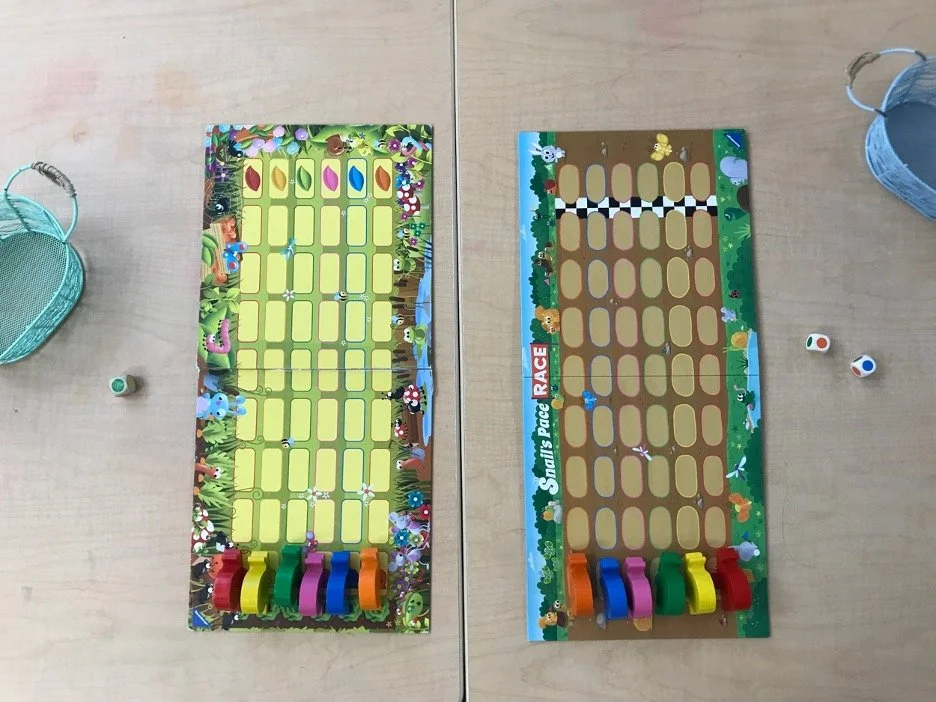
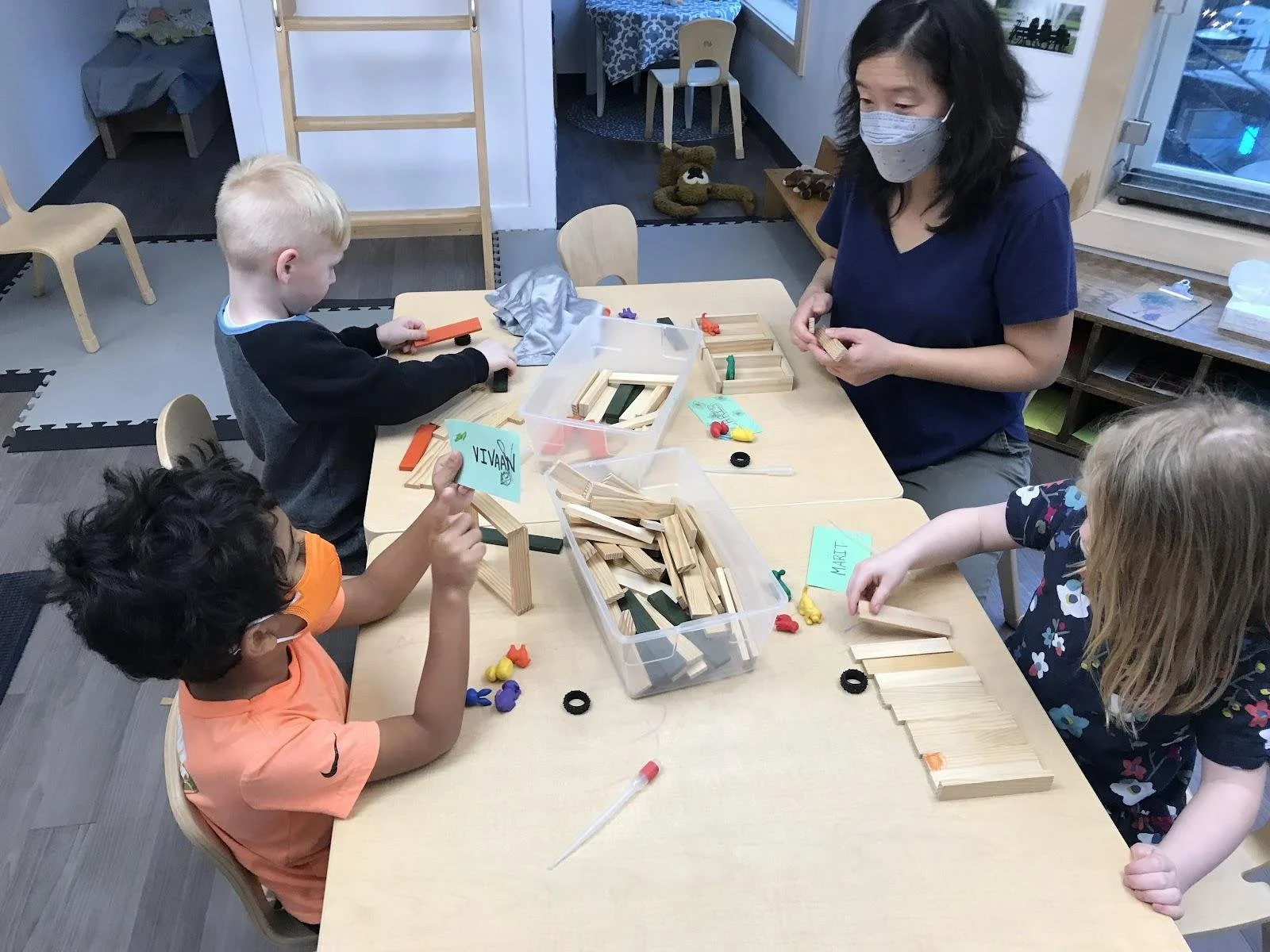
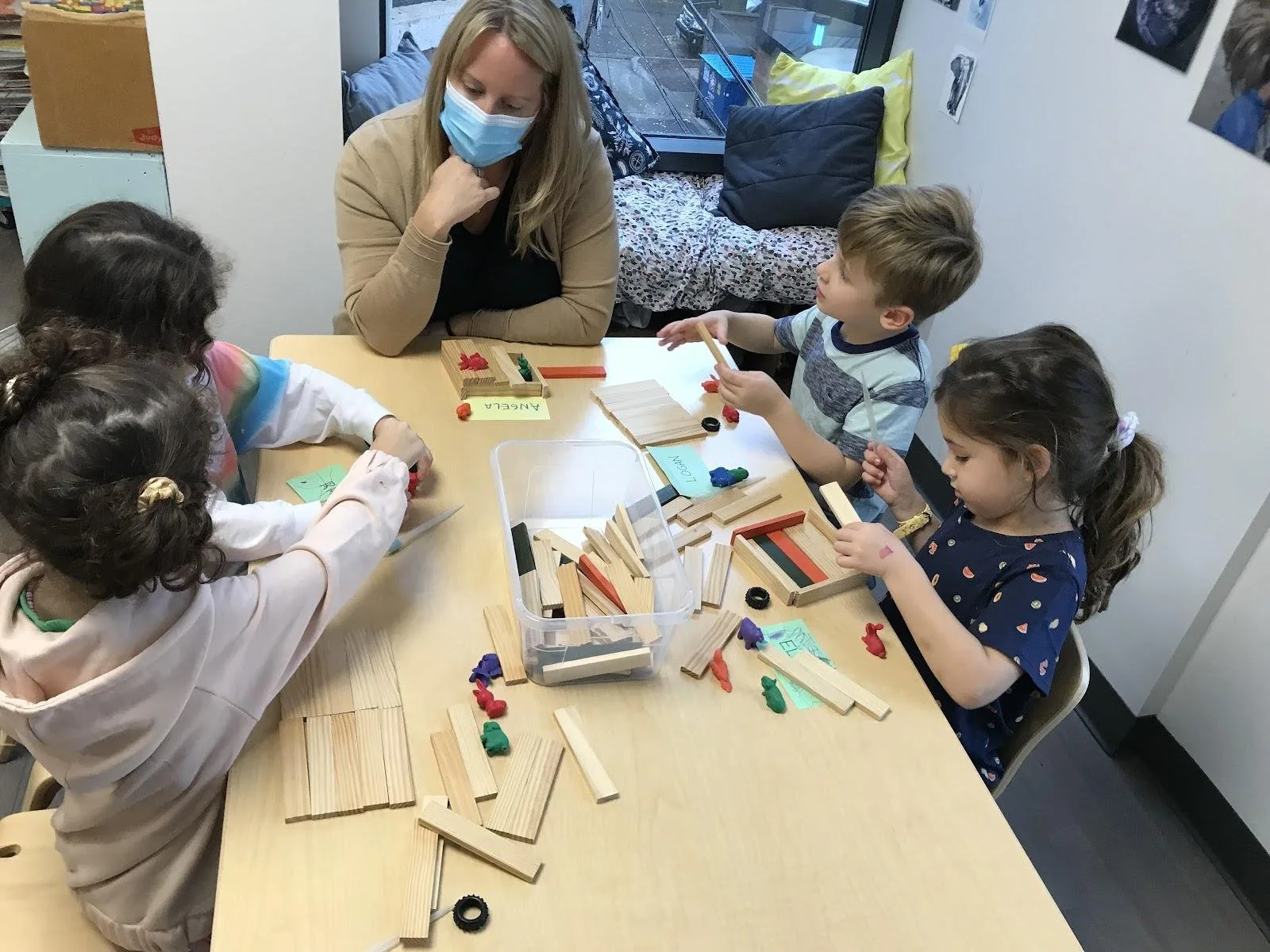
Teachers recently demonstrated a board game called “Snails Pace Race” at group time. Quite a few of our board games are cooperative where players work together to reach the goal. In this game, six different colored snails try to make it to the finish line or a leaf at the end (we have two versions.) Players roll the die and help move the snail that corresponds to the color on the die. All work together to race the snails and see which color makes it to the end first. Teachers showed kids how to set up the board and play together. First, one teacher asked the other if she’d like to join the game. She then described how to play the game, and acknowledged that there were a few things to agree upon before the game started: We will need to take turns. Do you want to play with the rule that the snail moves one space when we roll its color on the die?

Teachers then went through a few rounds of play so that kids could understand the concept. Kids watched as teachers modeled how to communicate and approach a situation when someone isn’t following the agreed upon rules anymore. After a few rounds, one teacher took two turns in a row. This presented an opportunity for the other player to remind her of the rules, Oh, I forgot! I’m just so excited. I’m sorry. Thanks for the reminder. During another turn, a teacher purposefully positioned the die in order to choose the color she wanted. The other immediately commented, Oh! You can’t just choose the color. Remember how we shake the die so that it’s more like a surprise to all of us? This led to a back and forth conversation, But, I really want the blue snail to win. Kids also joined in to remind the teacher that she can’t play that way. She said, Oh, that’s right. We decided to work together to move the different colored snails. Ok. I’ll shake it this time.

Kids continued to help sort out a few more mishaps, No, no! Snails can only move one space, not two! As teachers, this helps us know that kids have an understanding of the game, are advocating for the agreed upon terms, and know that their input is helpful to our communal experience. There was an excited energy as kids called out, saw which snail was in the lead, tried to stay on the edge of the rug, and resist the urge to come move our snail pieces! Phew. That was a lot for them to manage. Finally, cheers of excitement came as the game ended. Teachers then mentioned that both versions of the game would be on our game shelf for the next play time.

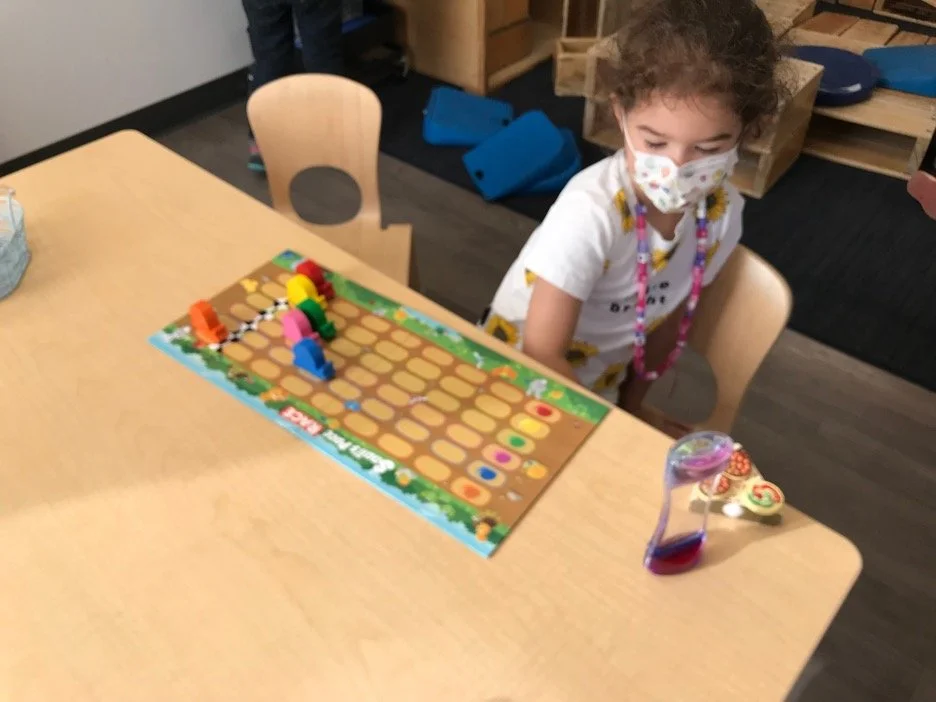
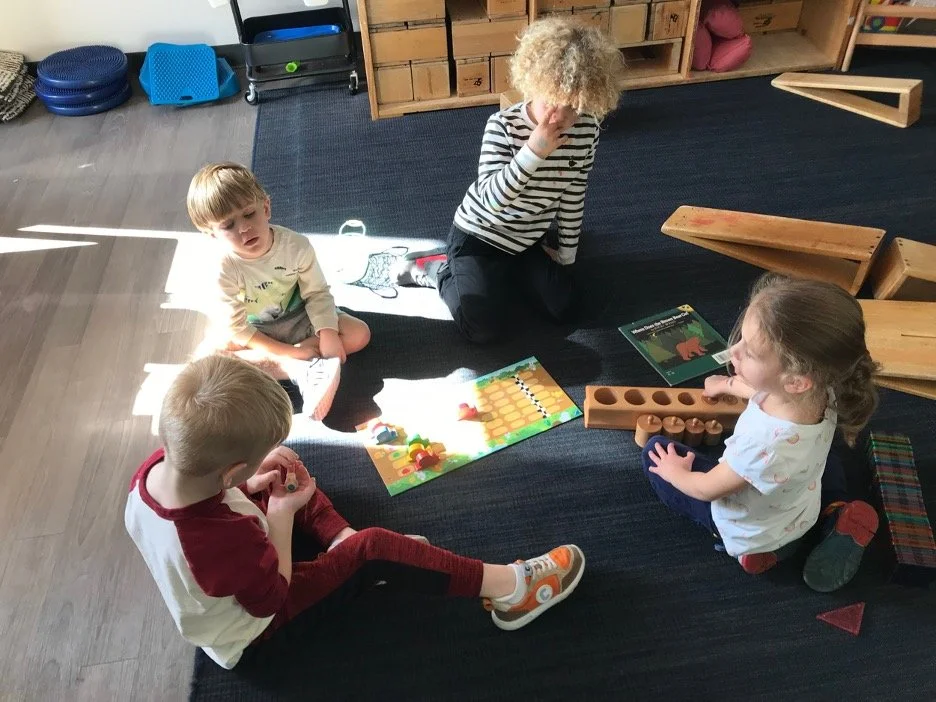
Since then, kids have been playing in groups or pairs. We’ve also seen kids playing solo while side by side with their own boards! When introducing games, we share the general rules and procedures, but also welcome kids’ variations as long as everyone playing agrees. Some kids will want to move the snails more than one space at a time. Oftentimes, players want to continue until all of the other snails have made it to the end, too! And usually, a player’s turn is over if the die lands on something that is no longer needed. Most players like to adjust that rule so that a player keeps rolling until a play can be made. Almost 100% of the time, everyone agrees with this adjustment. It often happens that someone just keeps rolling and nobody protests. Mmm hmm. They’ve come to an unspoken understanding. If this predicament happens when first demonstrating a game, teachers often ask, Hmm, so now what do you think happens? And the crowd resoundingly replies, YOU KEEP ROLLING! We may then share other alternatives and let players decide.

Have you heard about this game yet? We hope you all enjoy the break coming up. Perhaps, you’ll have some time to play a board game!

Best,

Anita, Chris, Sarah


Out in the Courtyard with JK

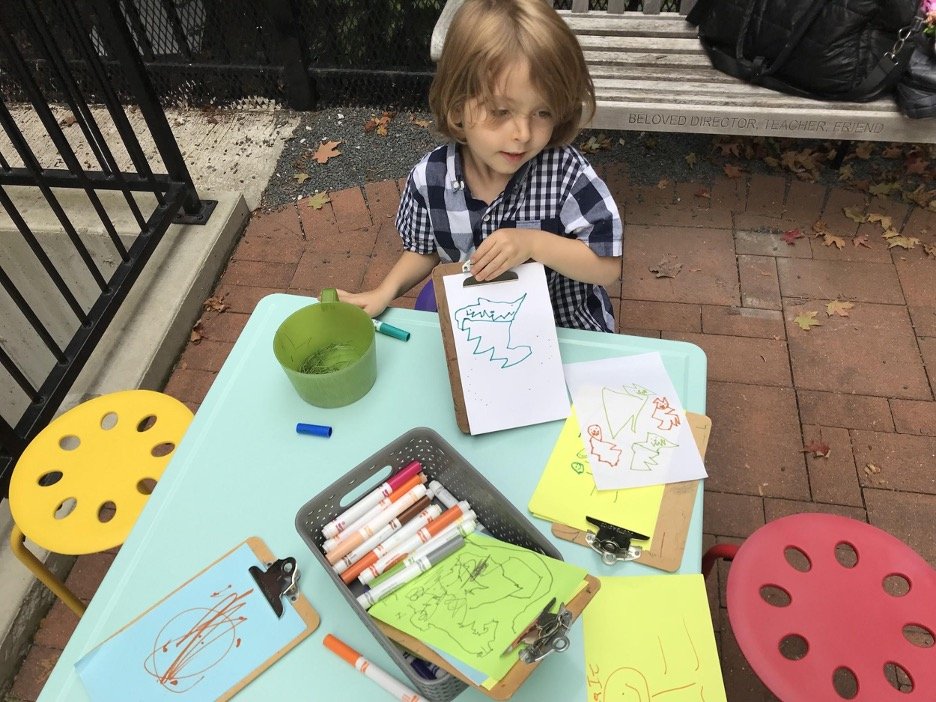
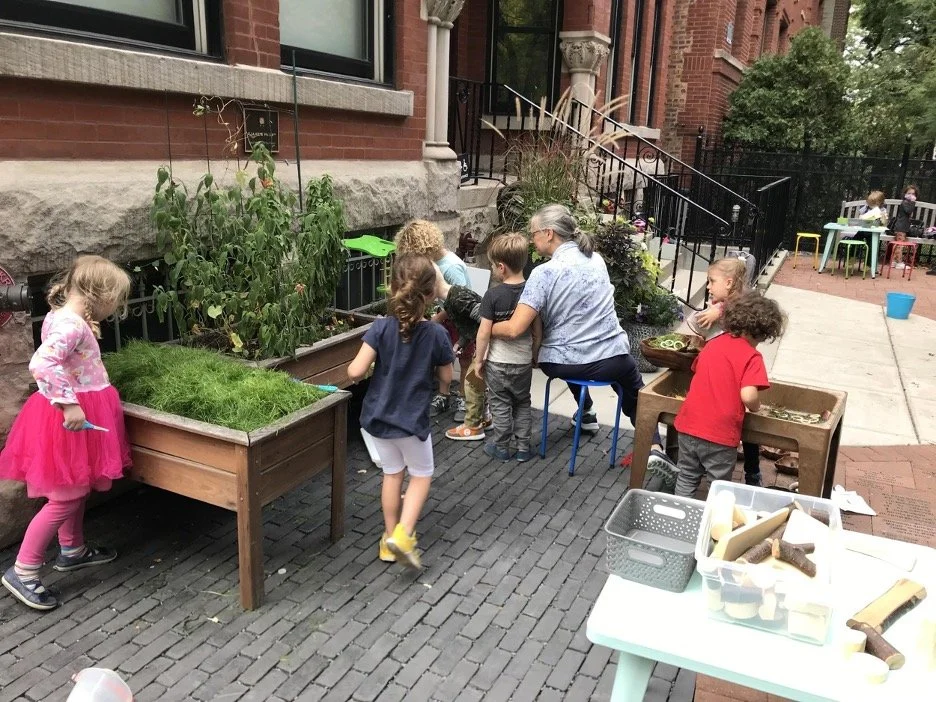
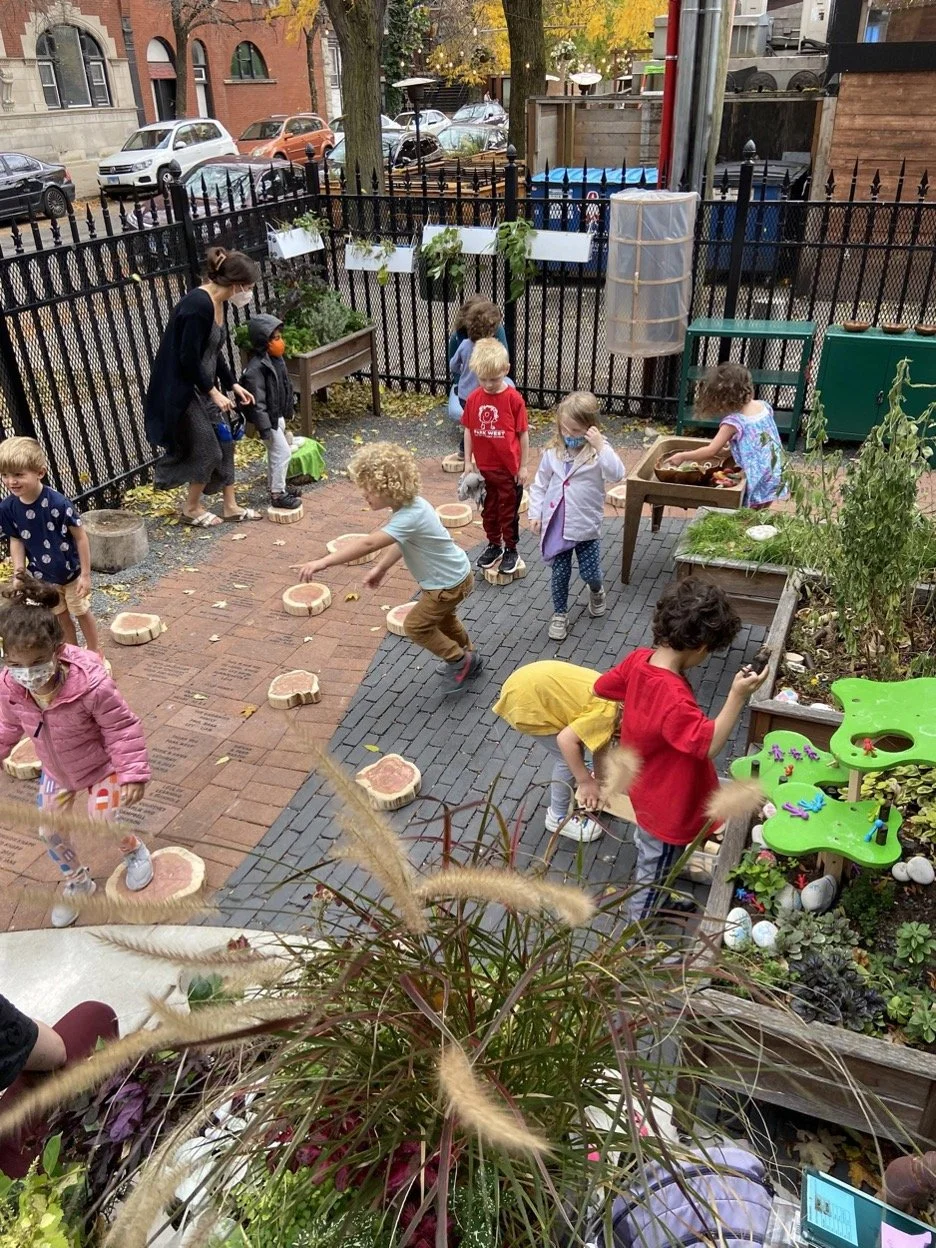
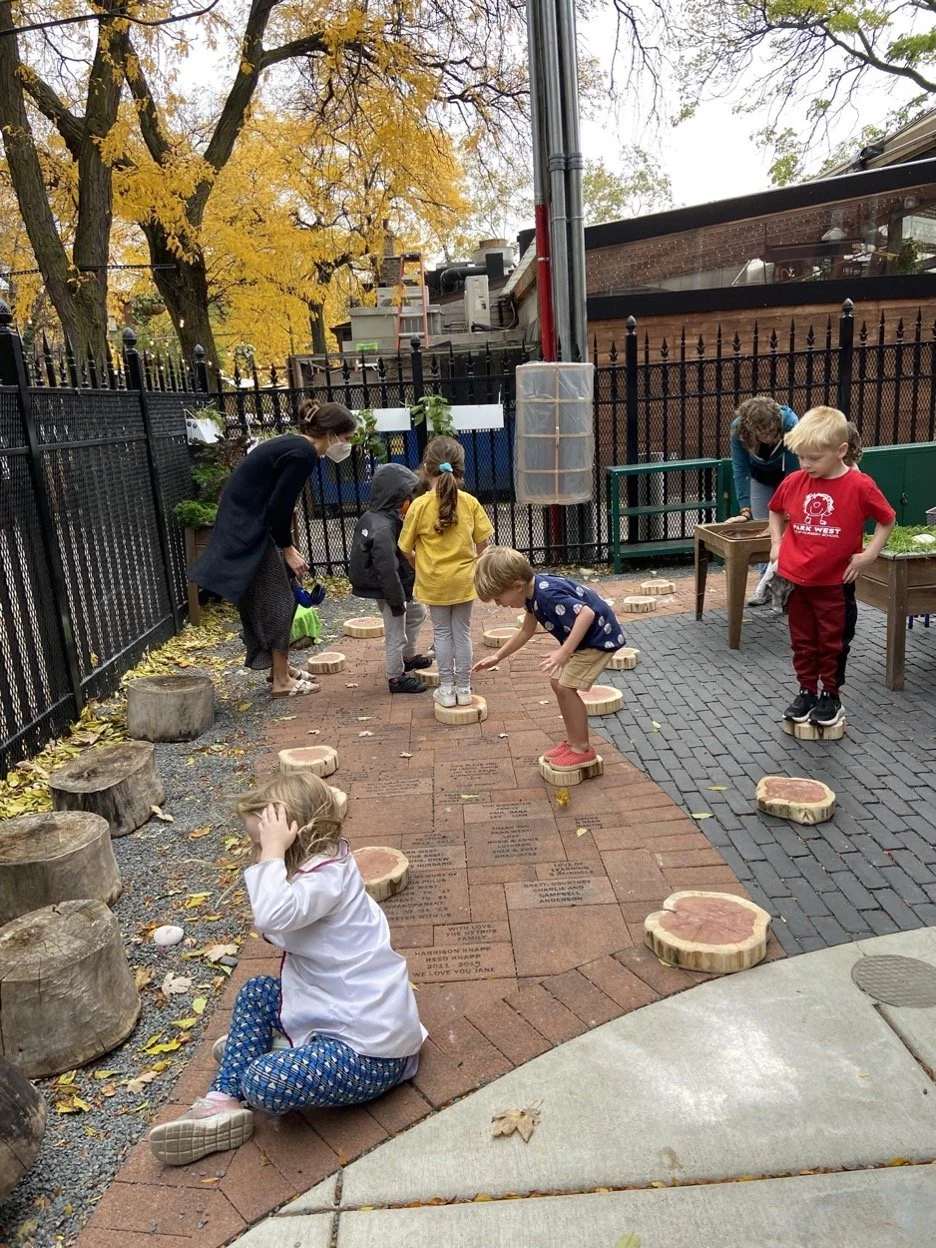
We’ve been spending time playing outside in our courtyard on some of these lovely Autumn days. Being outside together is a treat, and we’re enjoying the raised beds and flower planters, herbs, groundcovers and grass while they’re still growing. It’s a nice backdrop for drawing or imaginative play, or more active gross motor activities. Everything is more exhilarating outside, with the leaves drifting from the trees and a breeze blowing. This is a space that we hope to use regularly, in all kinds of weather, but we’ve been soaking up the sun on these warm days while we can.

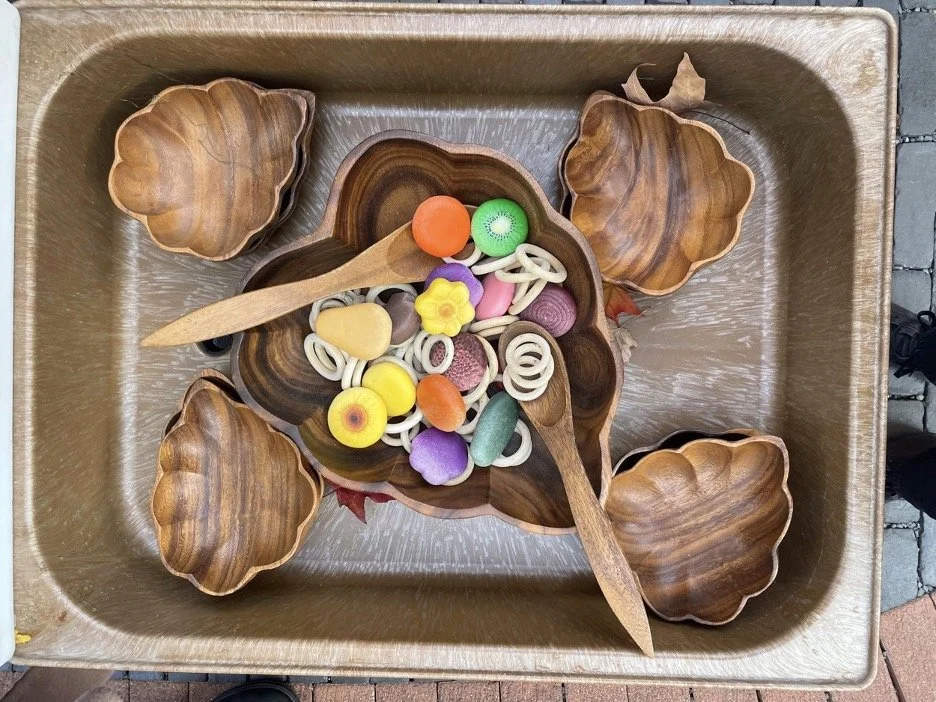
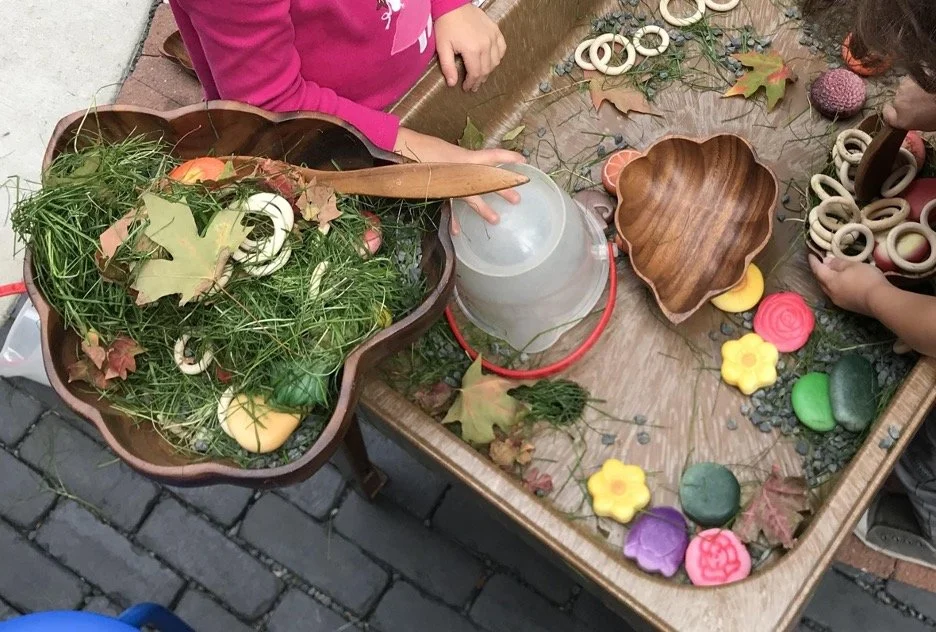
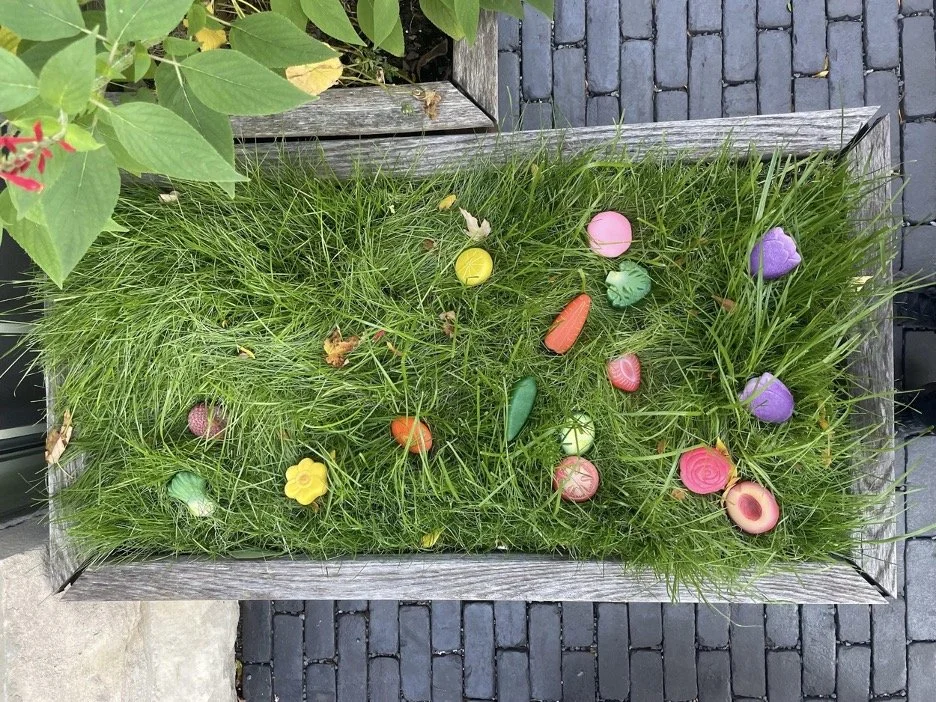
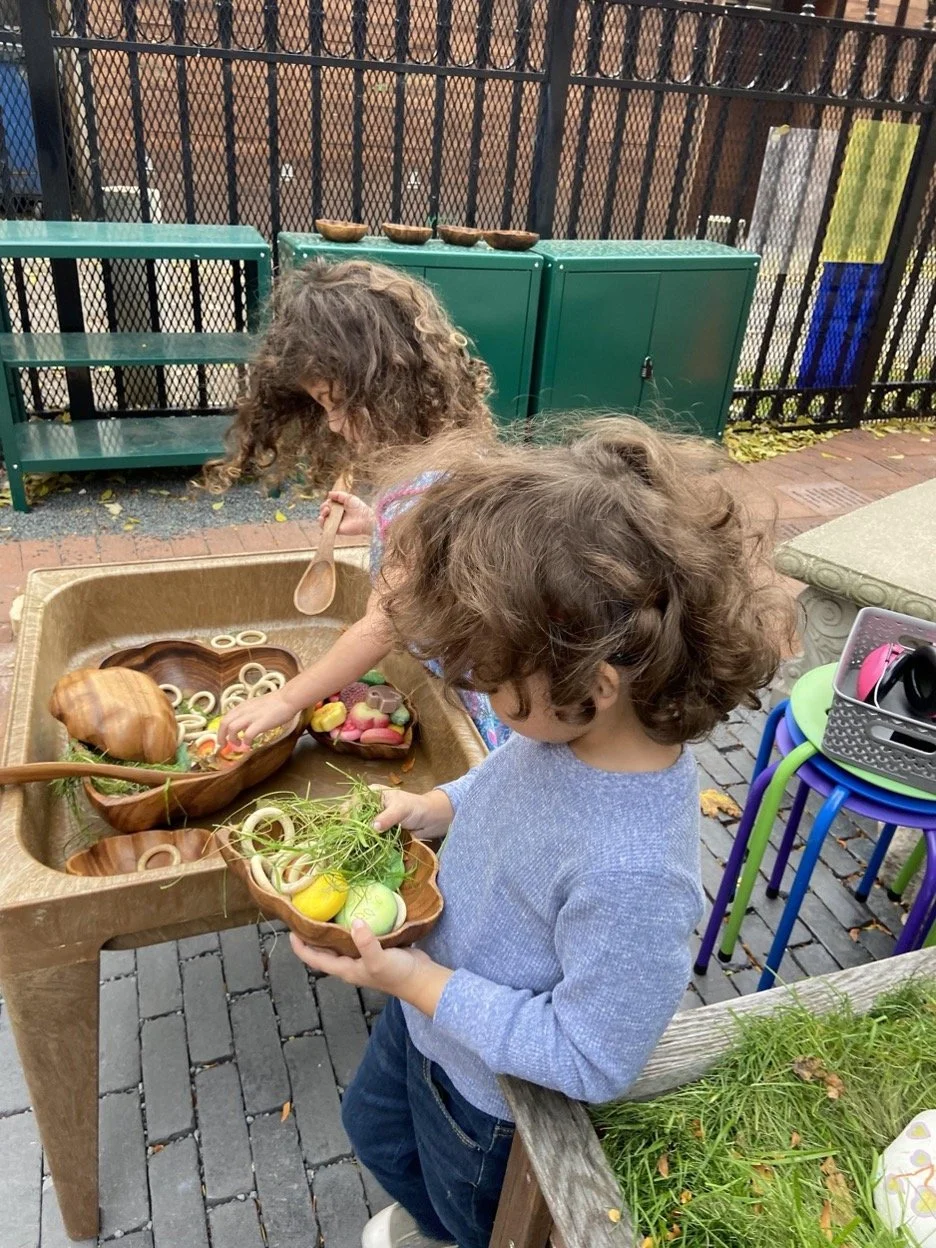
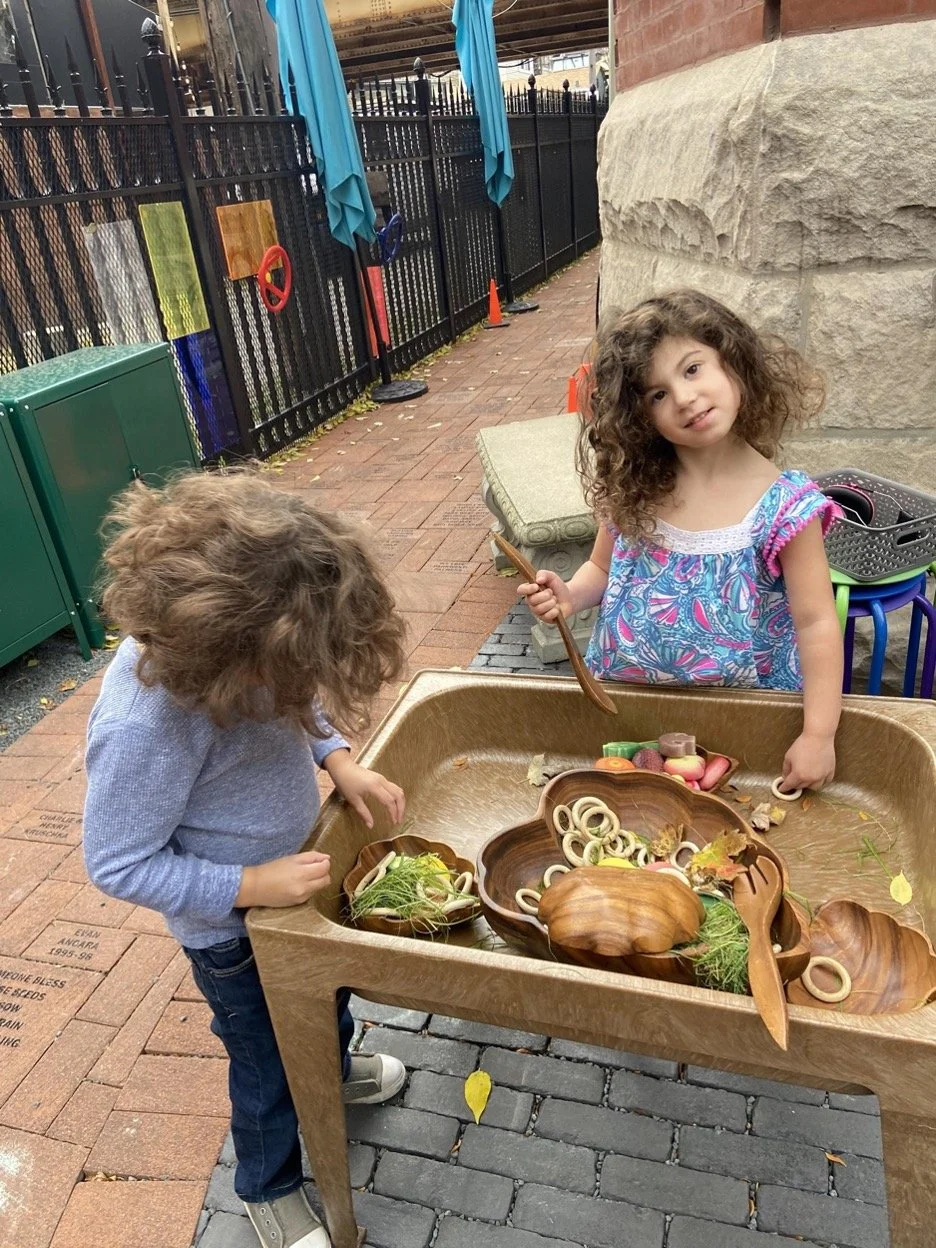
Hungry, anyone? With colorful food-shaped stones, wooden rings, and grass cut from the grass table, kids serve up treats to share.

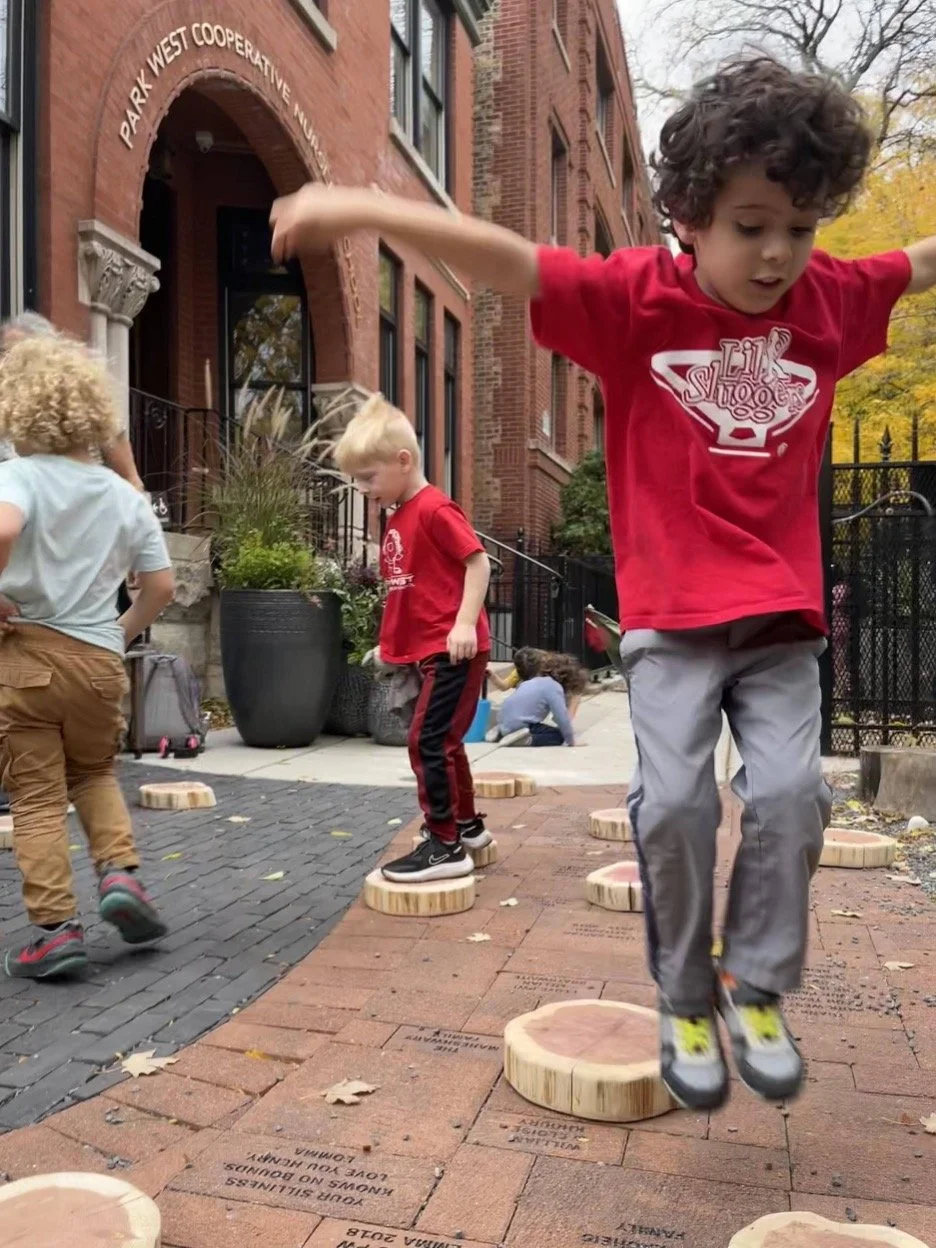
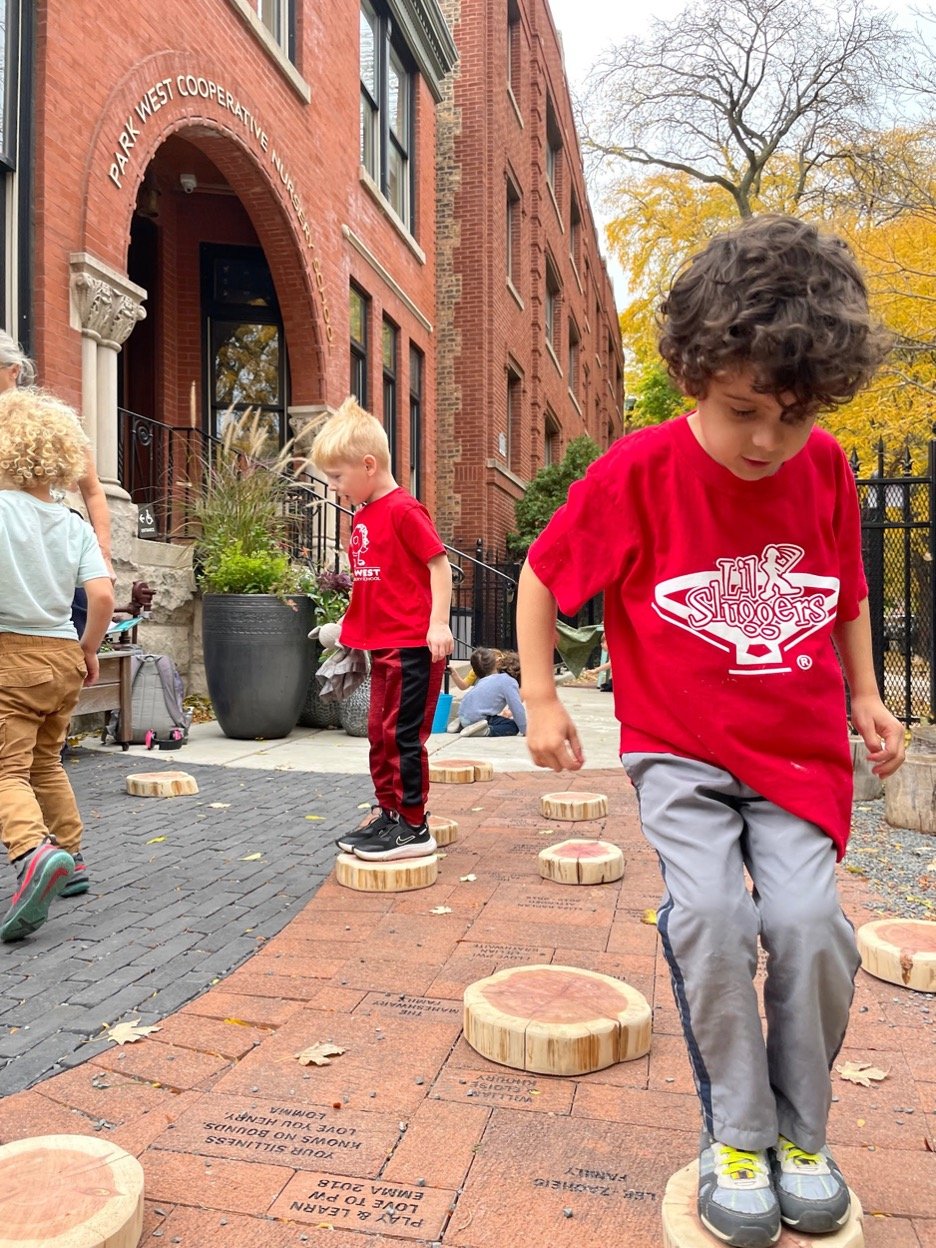
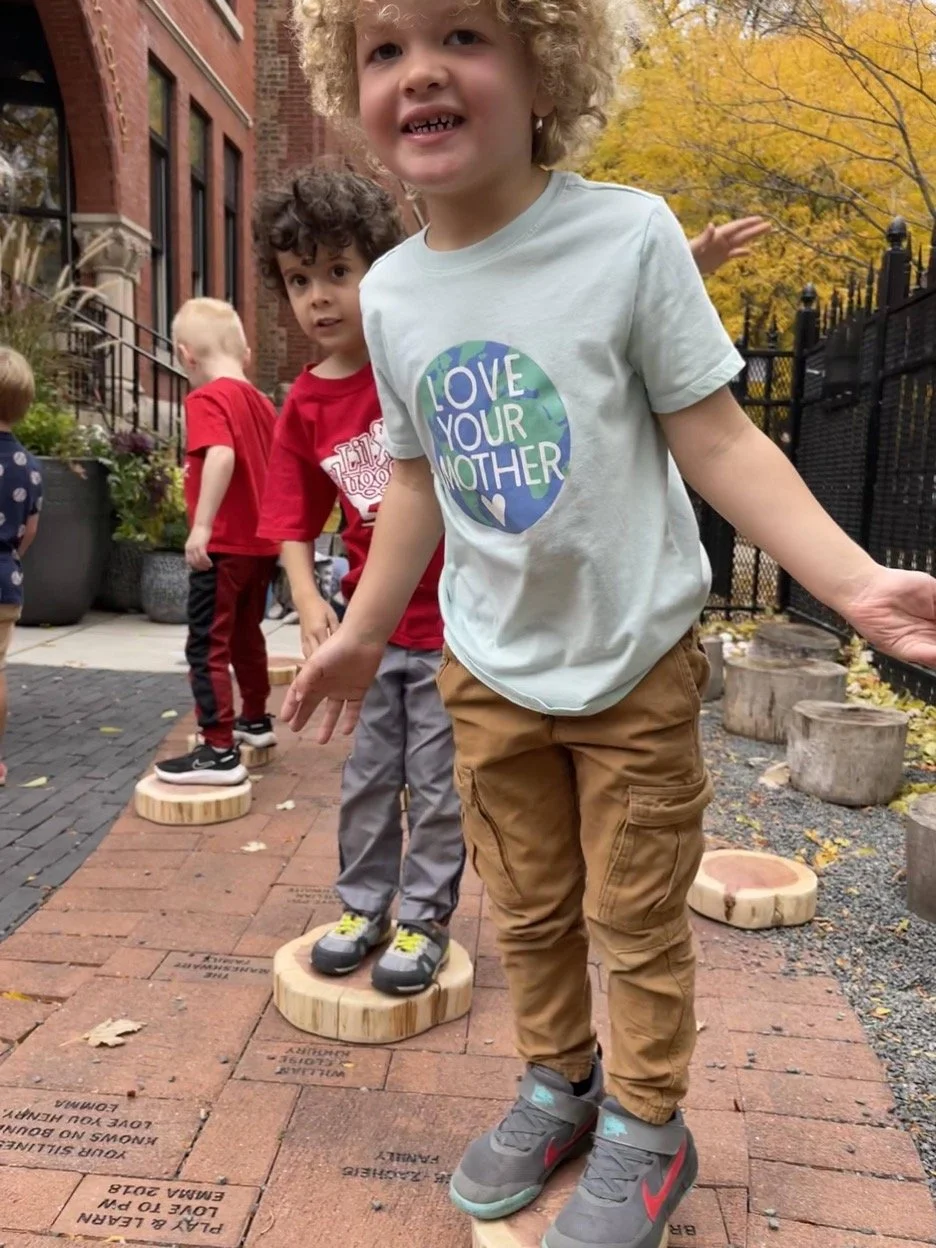
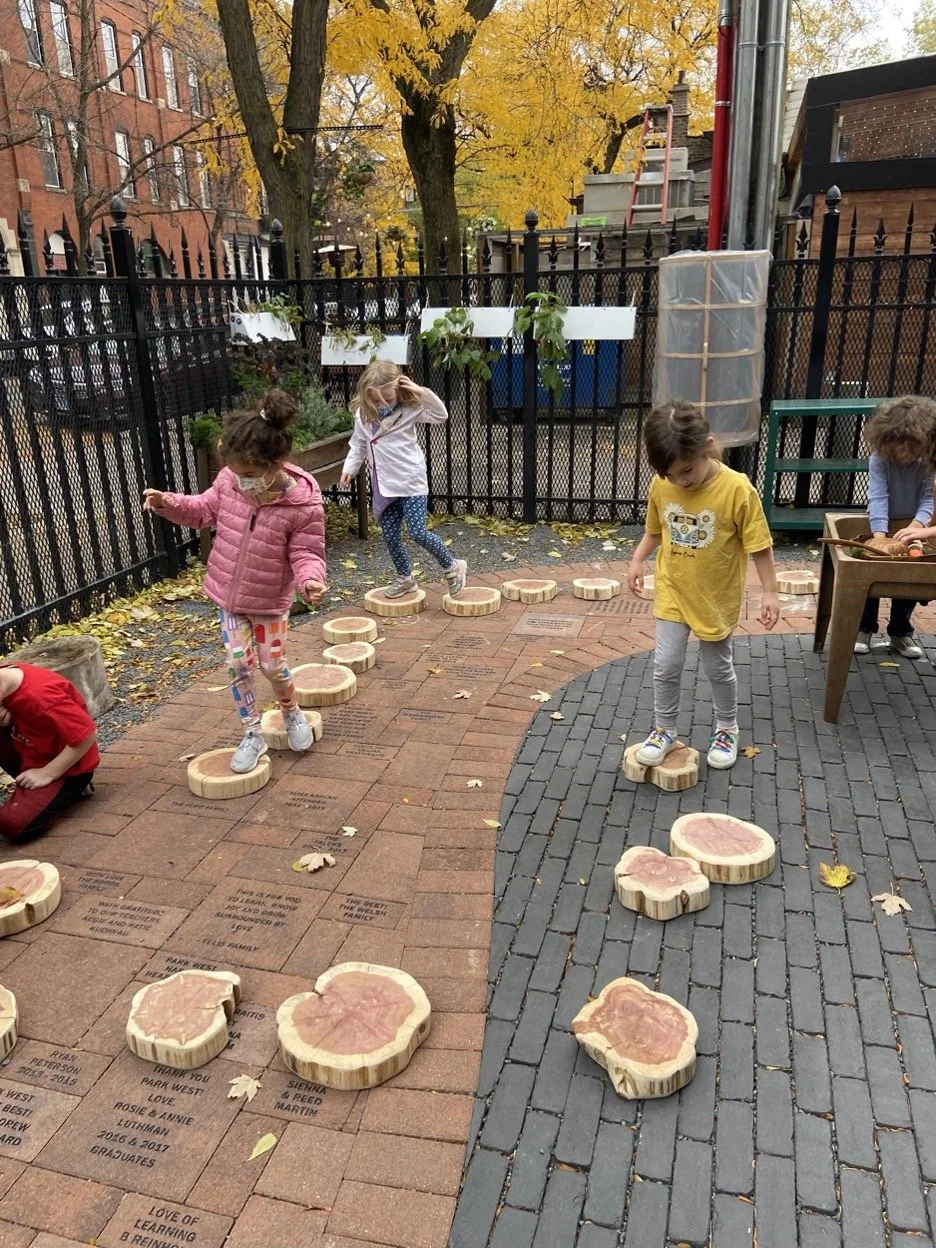
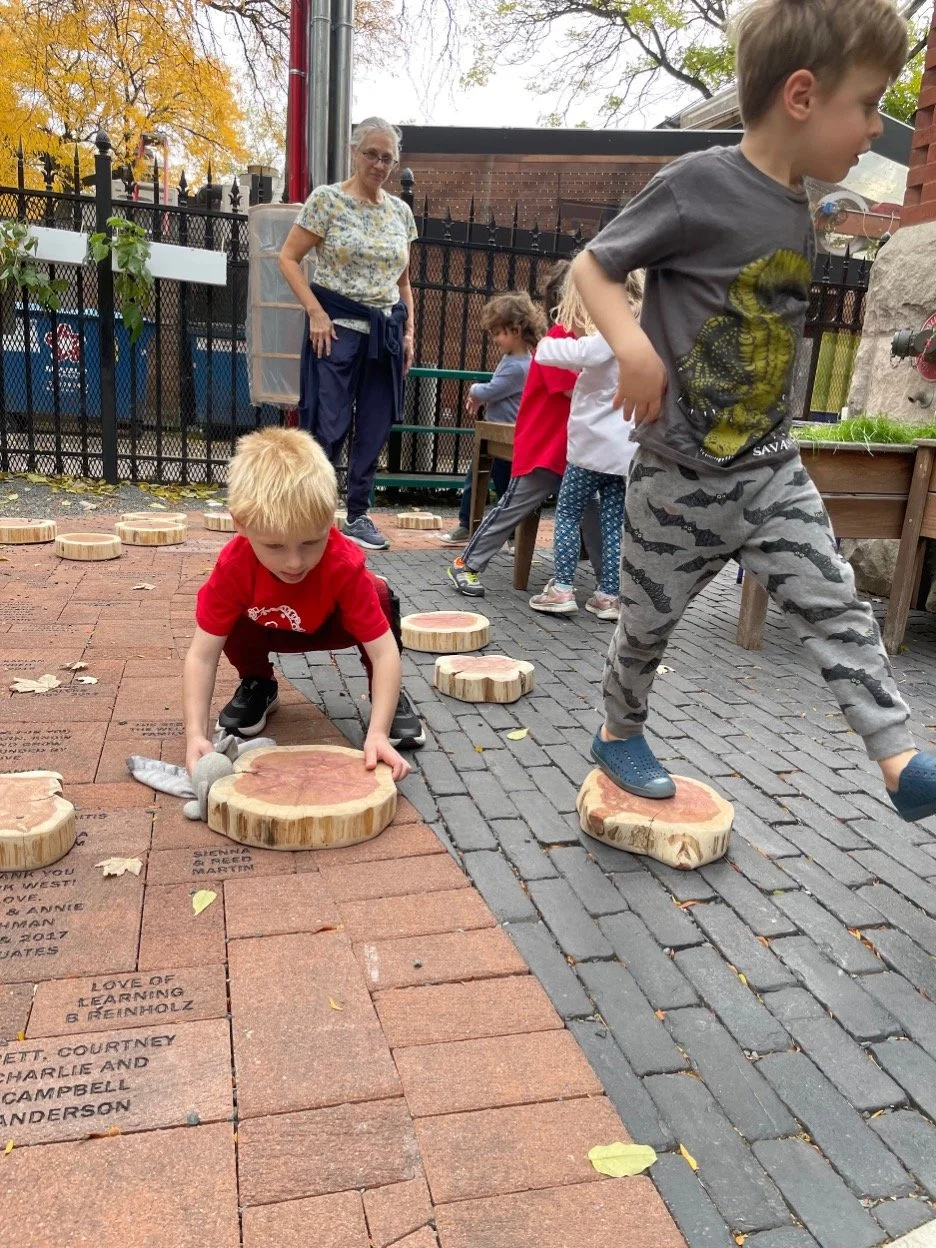
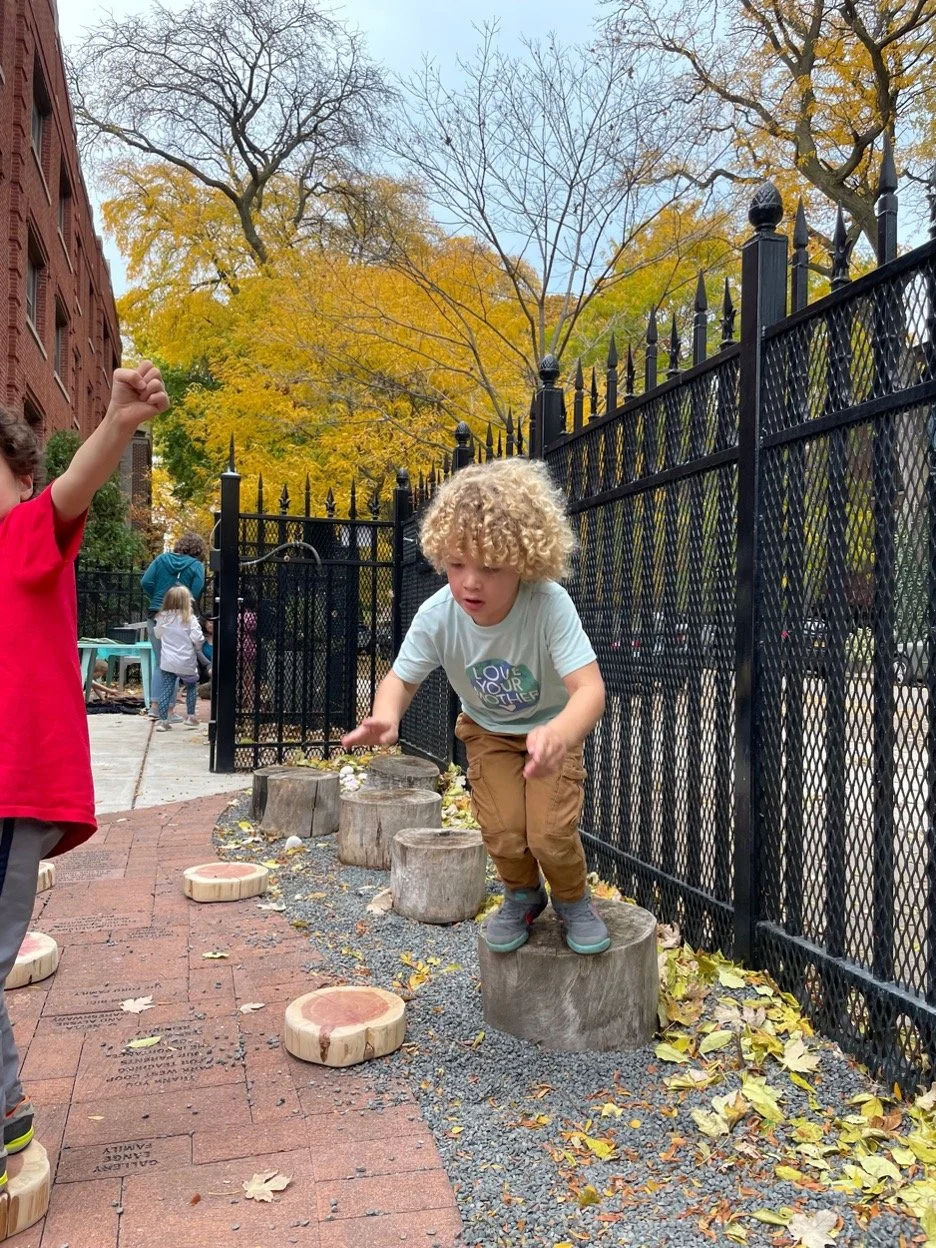
Tree stumps and wooden tree cookies provide a path to walk, climb and jump, and kids can arrange, tote and stack them as they like.

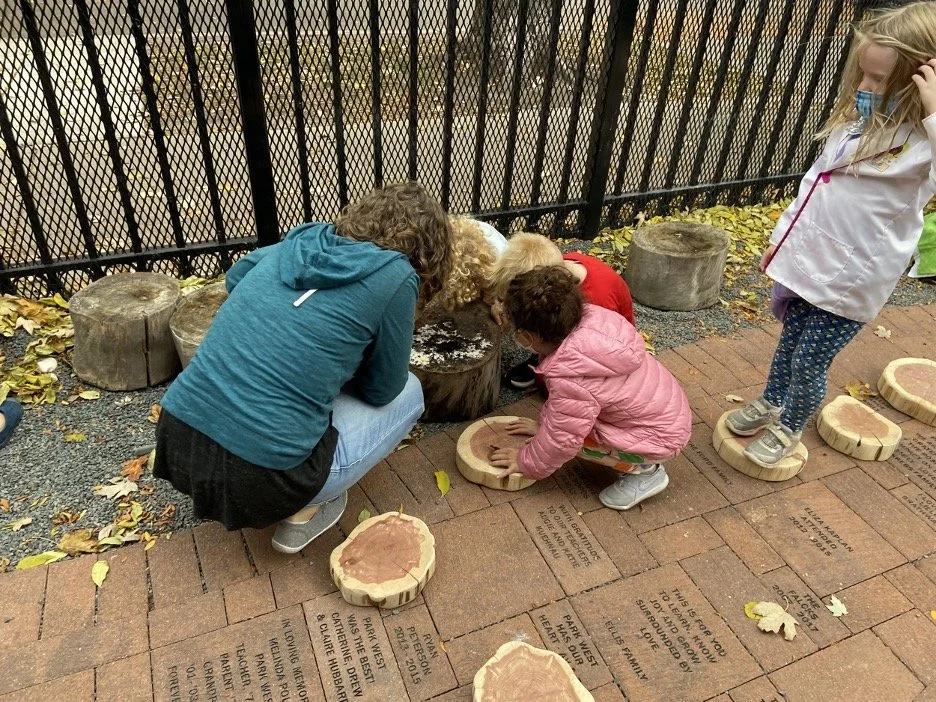
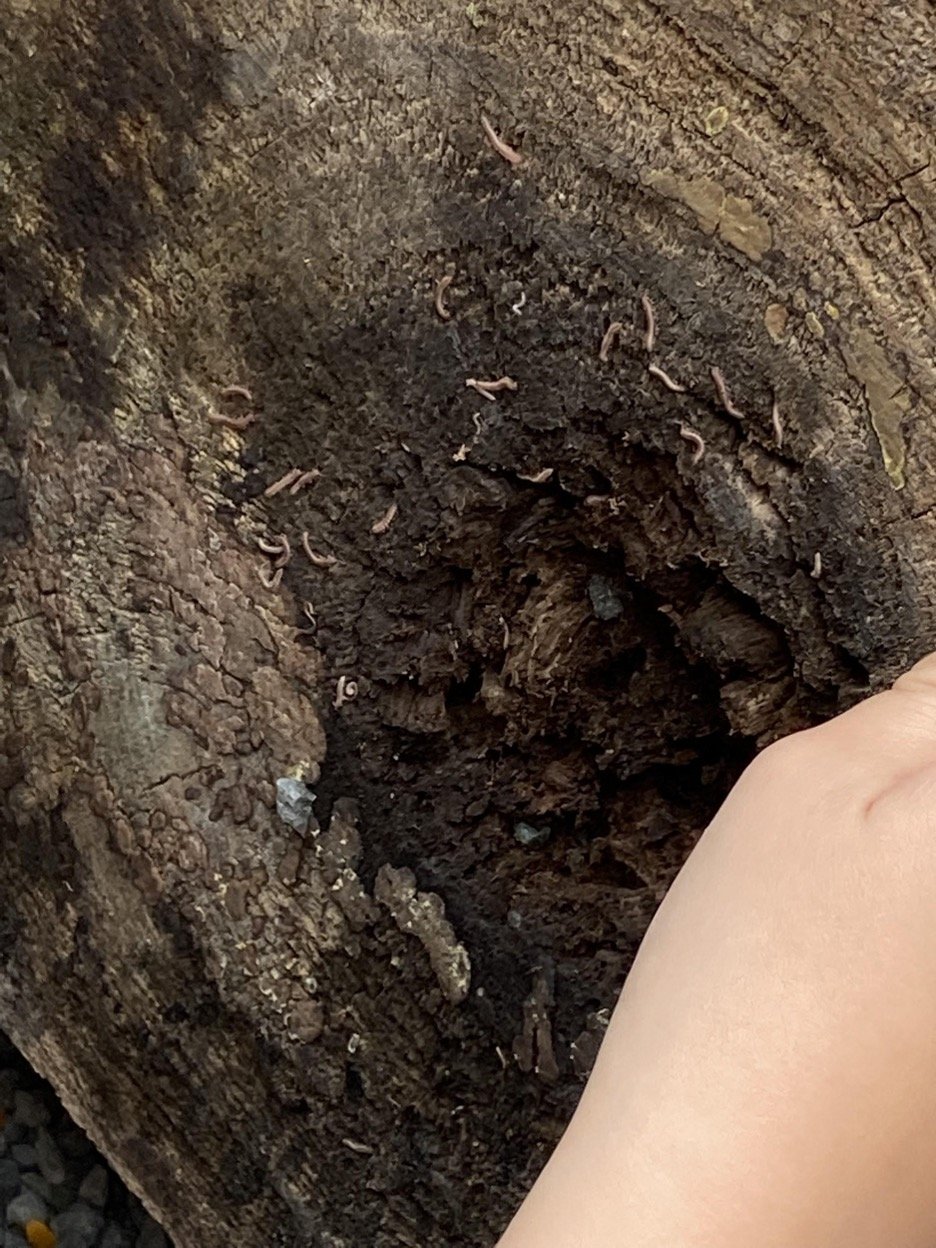
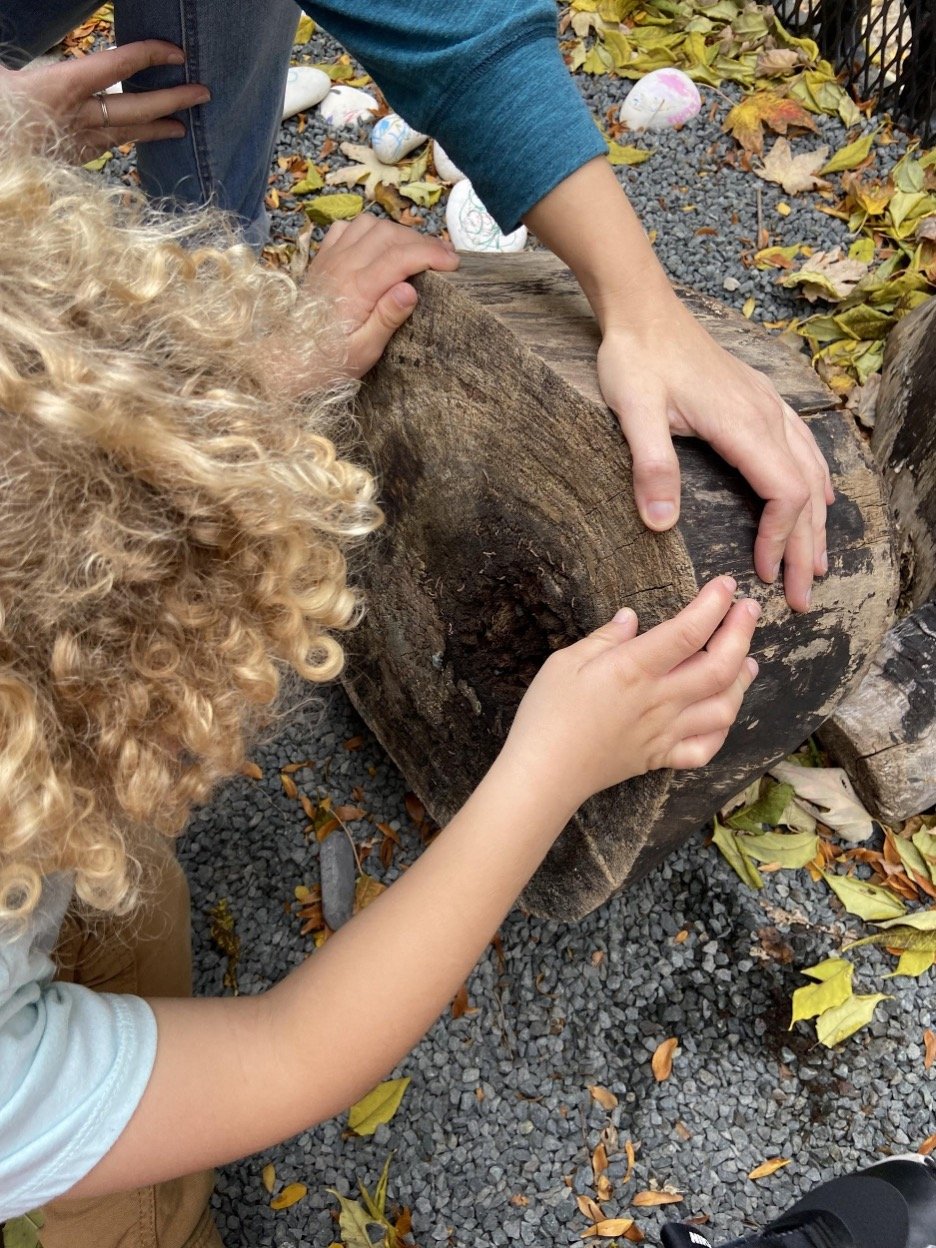
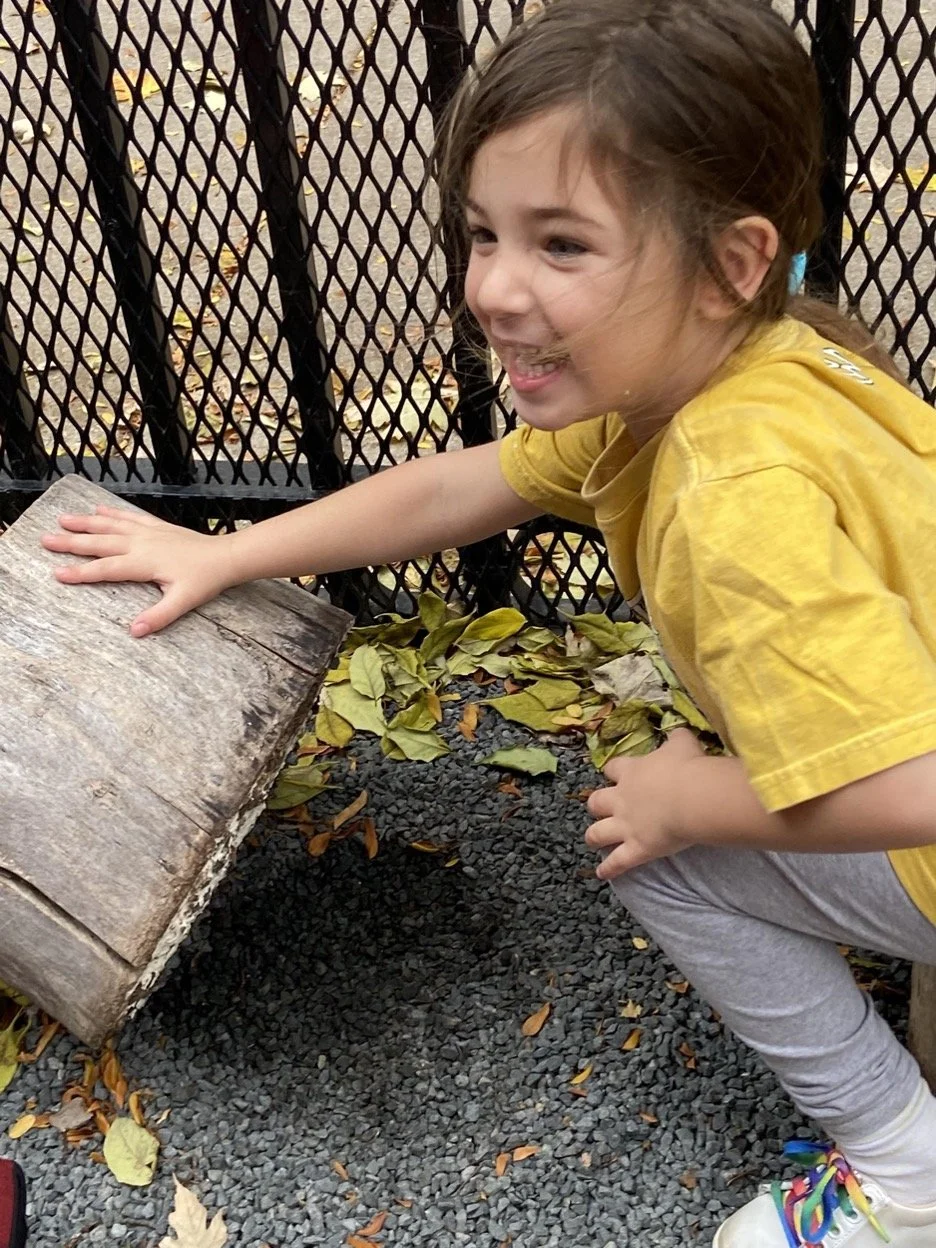
Where does the tree-cookie path lead? To the bug hunt! Tipping over the stumps and logs to find crawling creatures has been exciting.

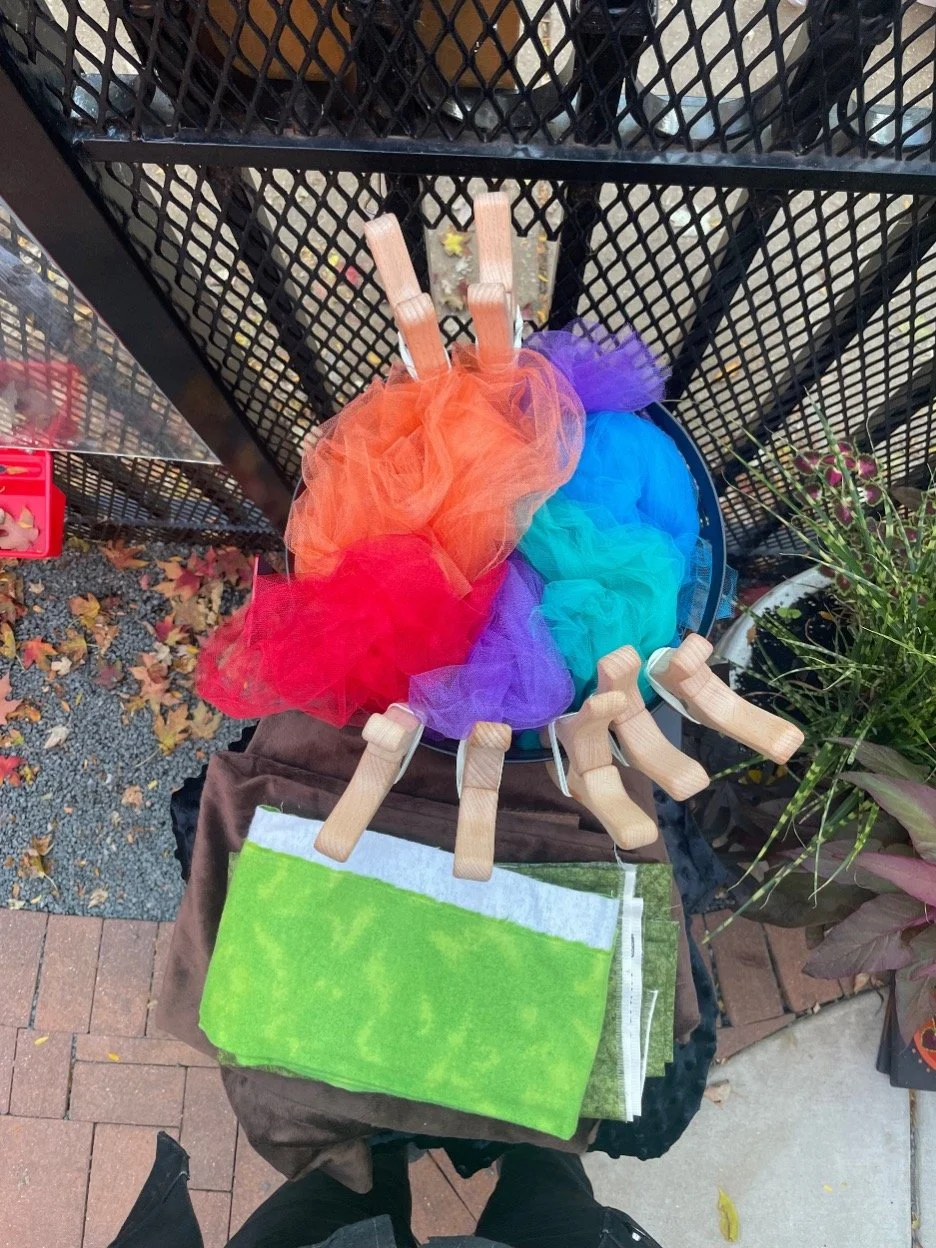
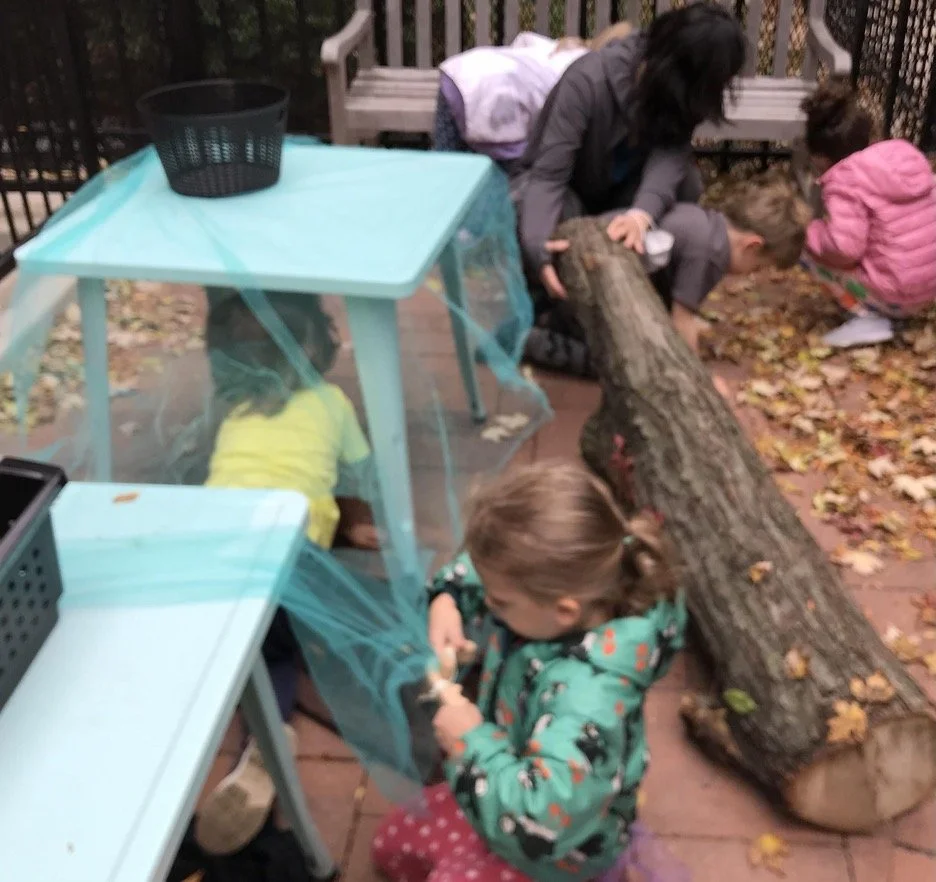
How about a hideout? Mesh scarves and wooden clips create cozy spaces adjacent to some bug-hunters.

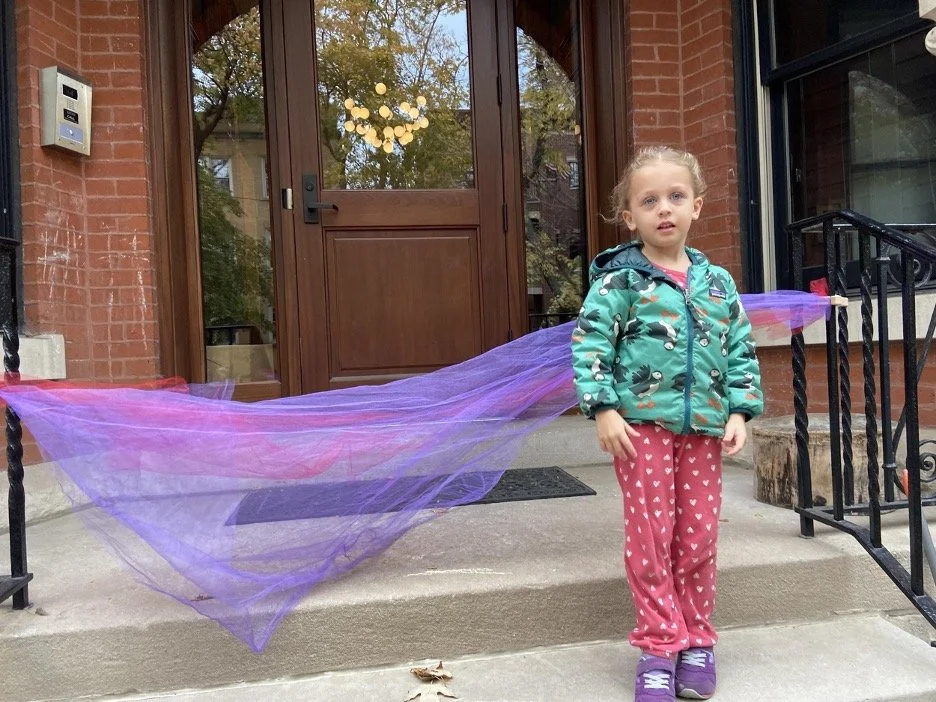
Or, they can indicate where we want to play. We’re told this was erected so everyone would know to stay outside. We did, of course, go back in, but we can’t wait to get out in the courtyard with JK again soon!

Playdates

Hi, all.

It was a pleasure to talk about your children during our Fall conferences. At your conference, we may have suggested playdates. The face page we’ve sent home could be a great way to figure out who your child is referring to when they speak of others, or who they’d like to spend some time with outside of school. We may have provided some names at your conference. If you are curious to hear some suggestions, please let us know.

Playdates are a great way for kids to be able to spend some time one-on-one without the distractions and interruptions that can happen during our school days. They allow kids to practice all of the social skills they are working on in school: “can I have that when you’re done?” or even, “Hi.” Sharing an experience in an environment where your child feels most comfortable can be very beneficial. Playdates can also bring about a relationship that may not have necessarily happened at school because they aren’t often in the same areas at school, or again, don’t notice one another. Kids may realize that they have more in common with the person who is usually at the water table than they thought! Also, kids can start to figure out that friendships may vary, “I like working on art projects with this person, and if I want to build with blocks, I can ask this other person!” Most times, the playdate will then help kids bring that connection into the classroom. Whether it’s a playdate full of silly laughter, or one of the quietest playdough experiences you’ve ever had, something really is coming out of it. During that quietest of times, it is still an opportunity for kids to observe and take it in. They are gaining a better understanding of other personalities, likes and dislikes. And, perhaps, their comfort level will grow, “hmm, so, I sat next to a person with some dough for 20 minutes, that wasn’t too bad!”
The extent of your playdates can certainly vary, and they do not need to be an all-day marathon of activities. Perhaps, meeting at a neutral space, grabbing lunch together after school or playing in the park can be a good start. If it is at your home, having a structured activity for those who are feeling unsure can be helpful. Setting out an art project or playdough can help put children at ease, and be a great way for you to facilitate some interactions. If you are having someone over to play, you may want to ask your child which toys are okay for others to use, and suggest putting away the special items if you think your child will be worried about others using them.

When setting up a playdate, plan to follow your child’s lead. Some children may feel ready to be dropped off at someone else’s home, or go with another parent out to lunch. Others may insist that you stay with them during the playdate. We also know that scheduling can often be an issue. Finding someone who has time available when you do is also a great option!

Again, we’d like to thank you for scheduling time to meet with us. We are always excited to hear if your child is chatting about school at home, and to share our stories and thoughts with you as well!

Best,

A C S

What's on our agenda?

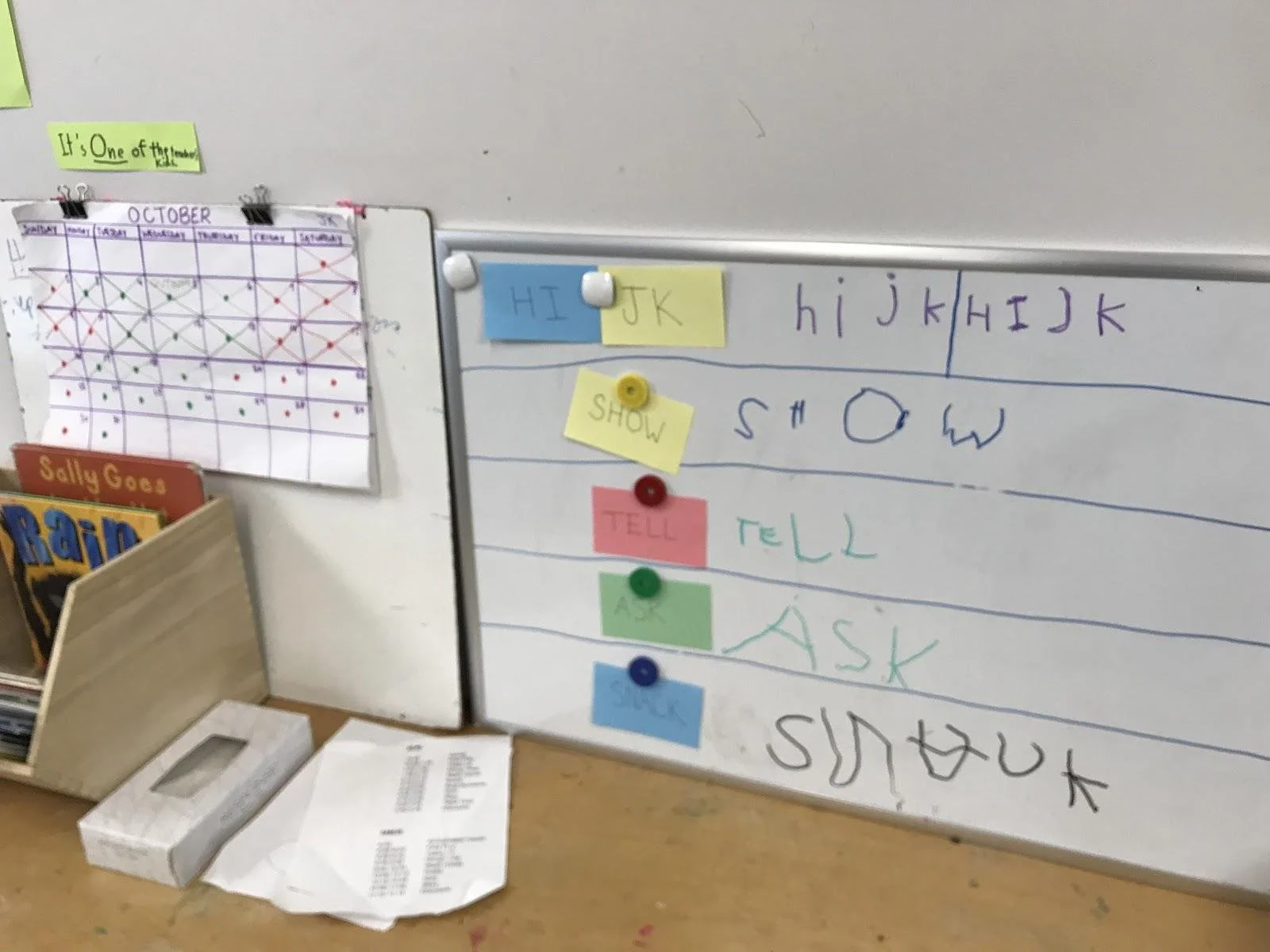
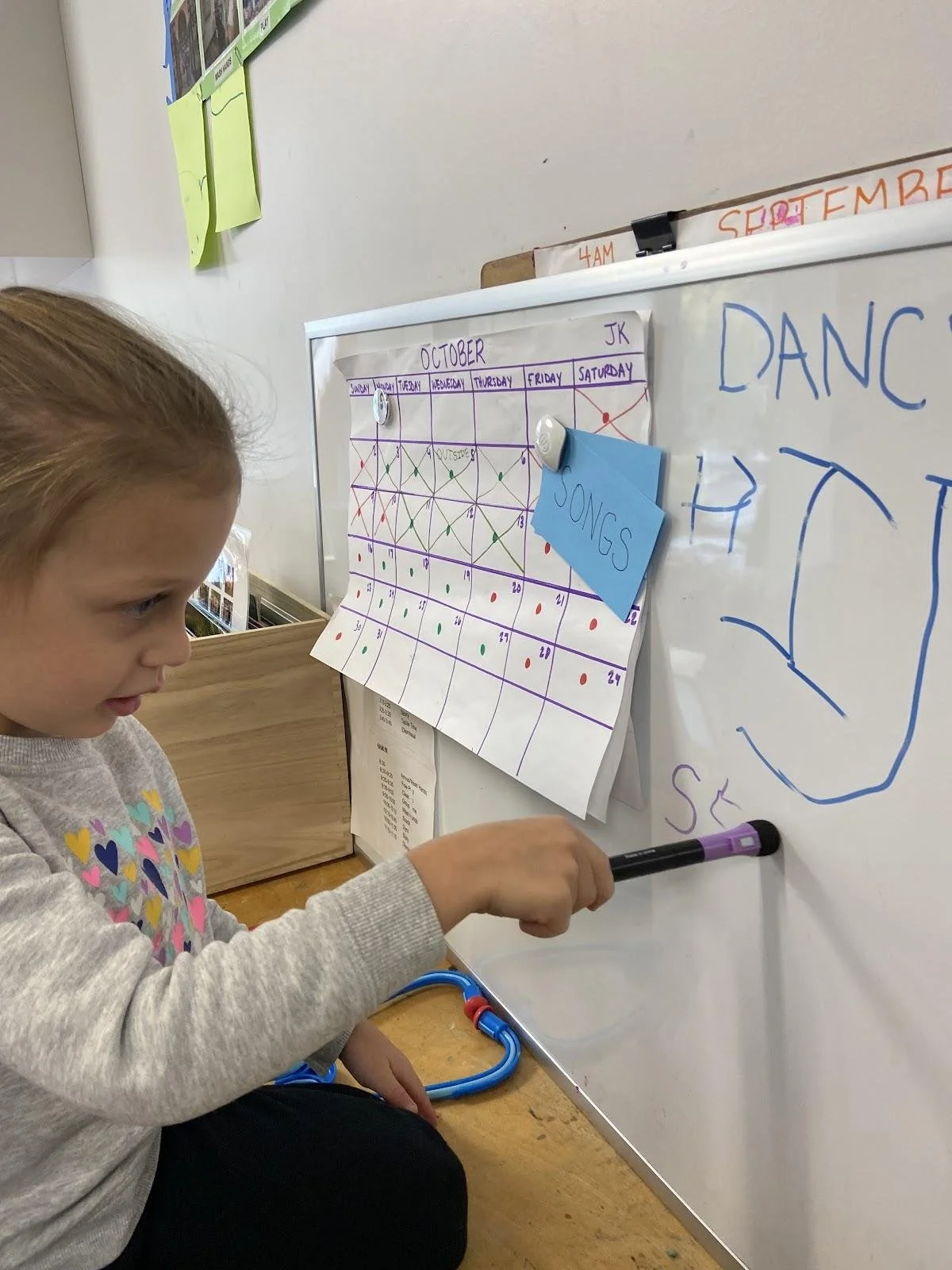
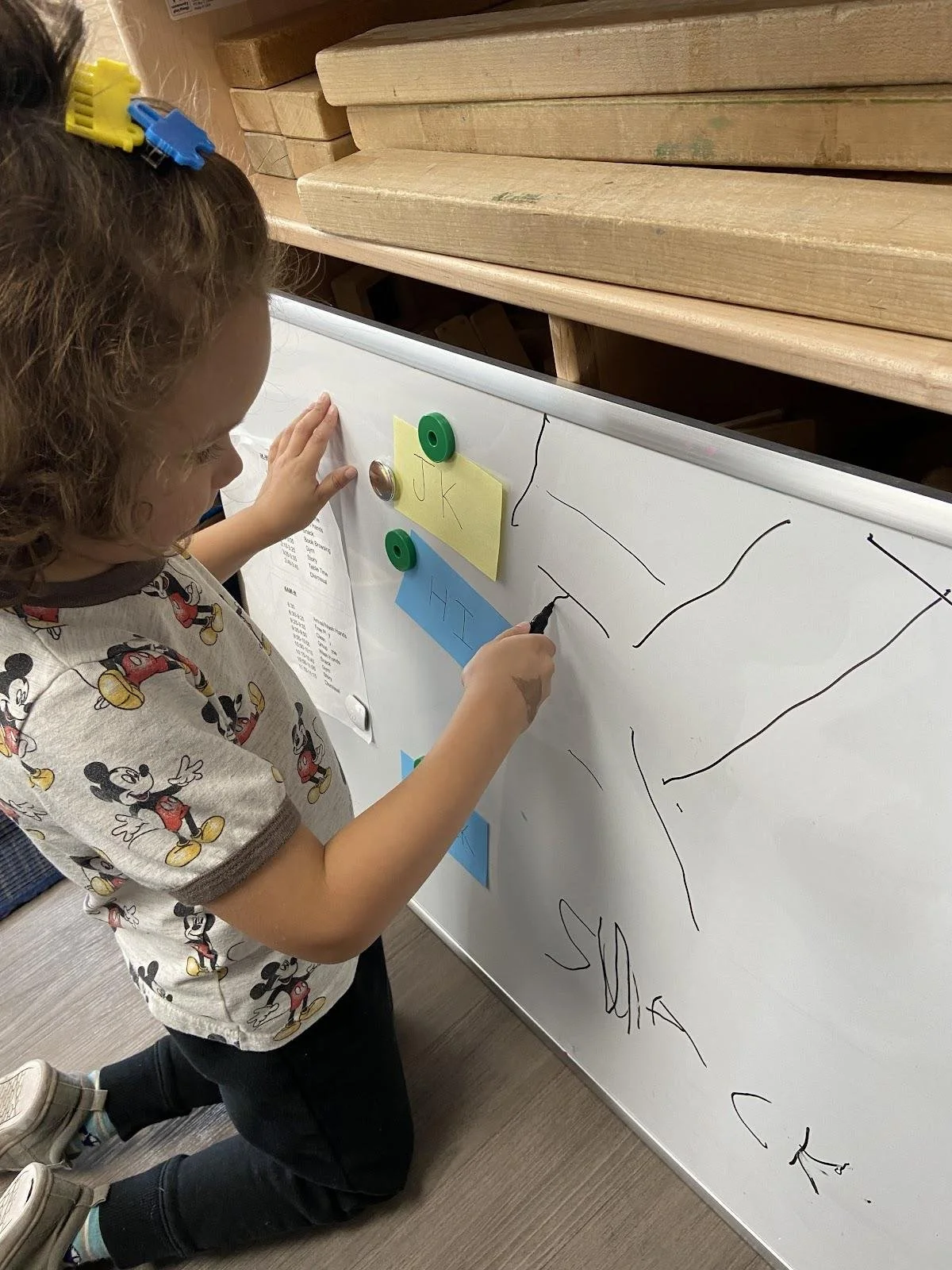
From the beginning of JK, we have been using an agenda for our group times. It is just a few words written on a whiteboard, but the agenda offers a real and meaningful way to use literacy in our classroom. We want kids to experience the benefits of using writing and reading in an approachable way, with opportunities for kids at varying levels of experience and interest. We’ve told kids that the agenda is a way for us to remember things we want to do at group time,  emphasizing that this is one time of our day when we are all doing the same thing together. 

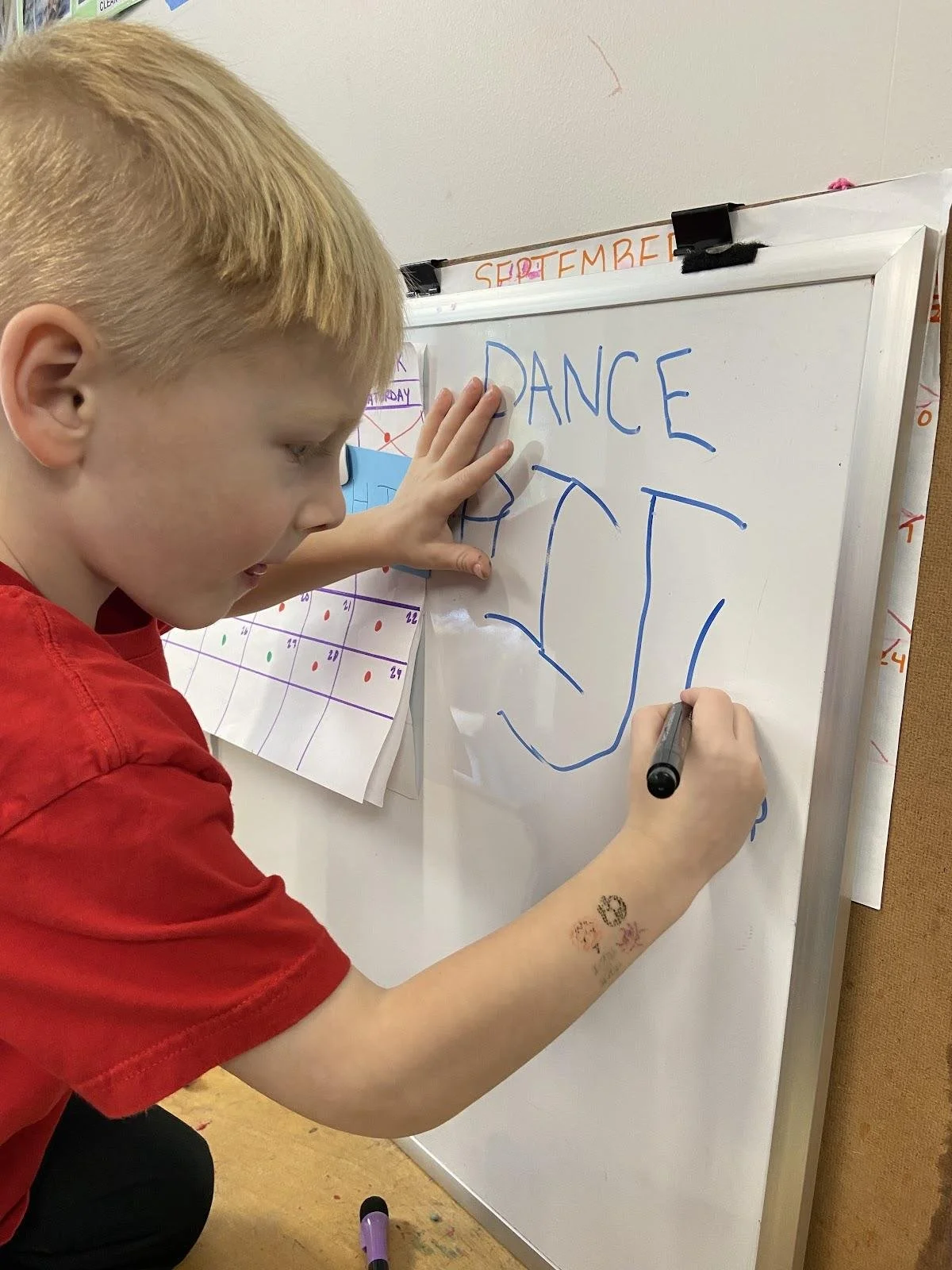
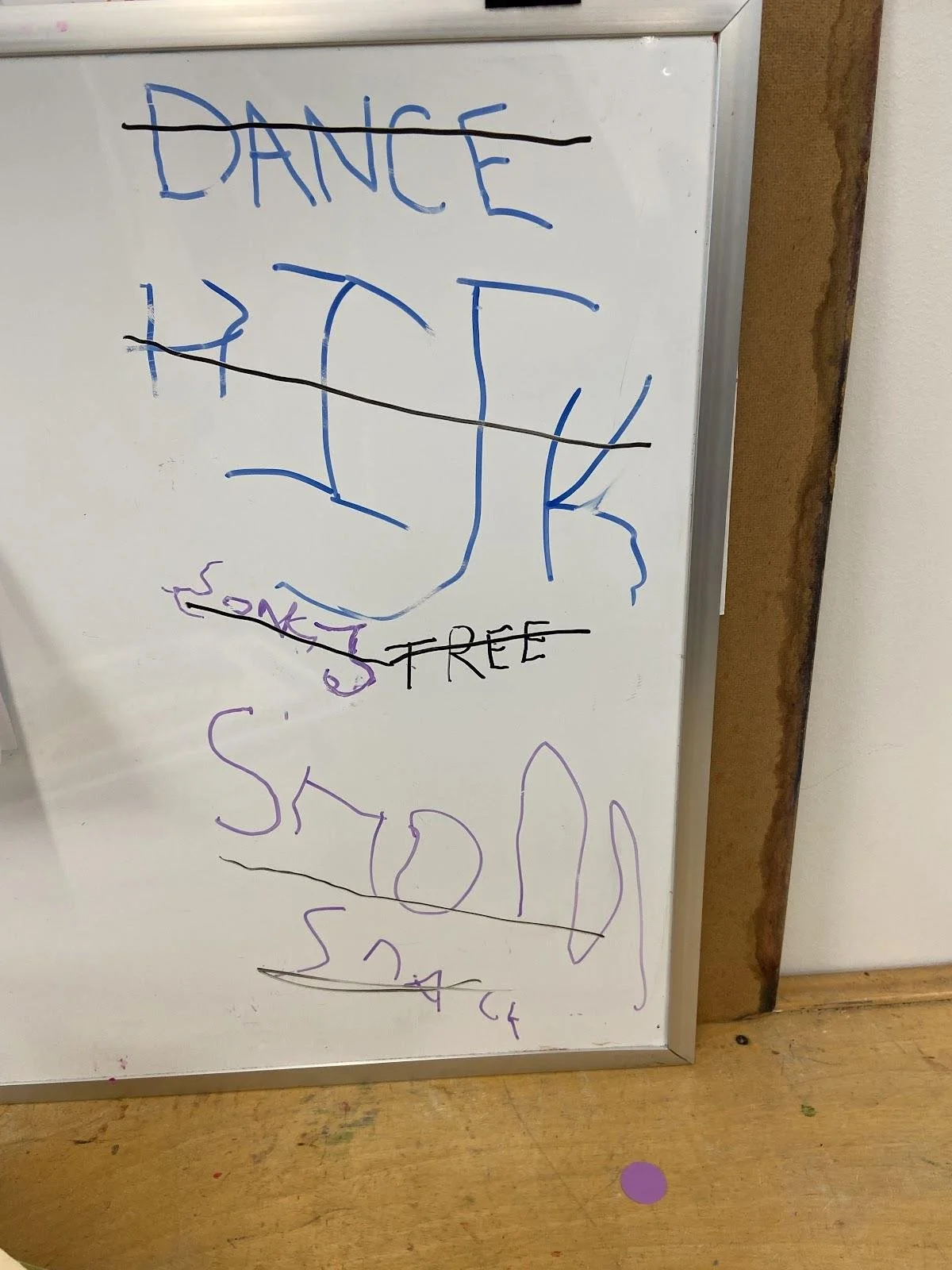
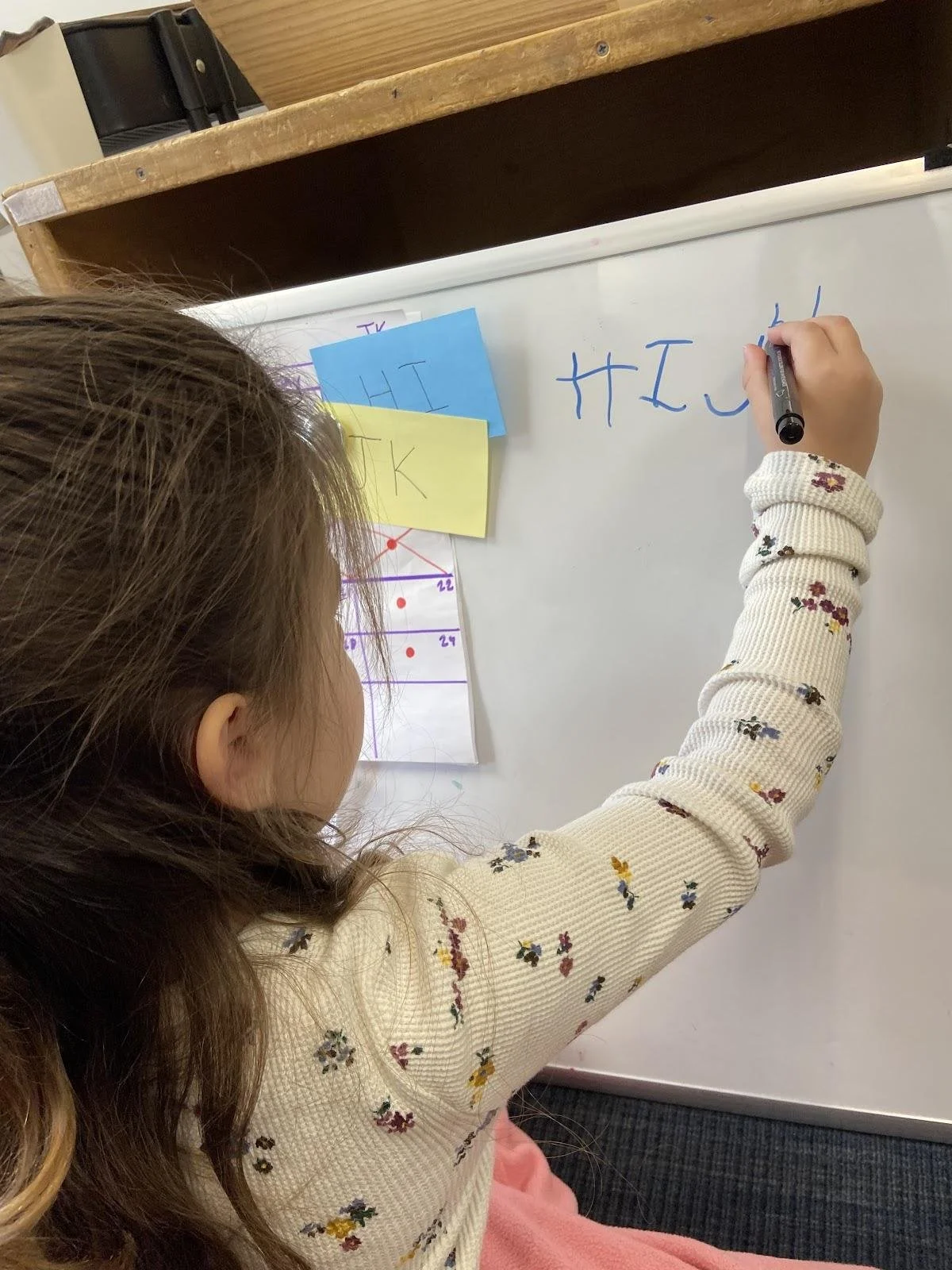
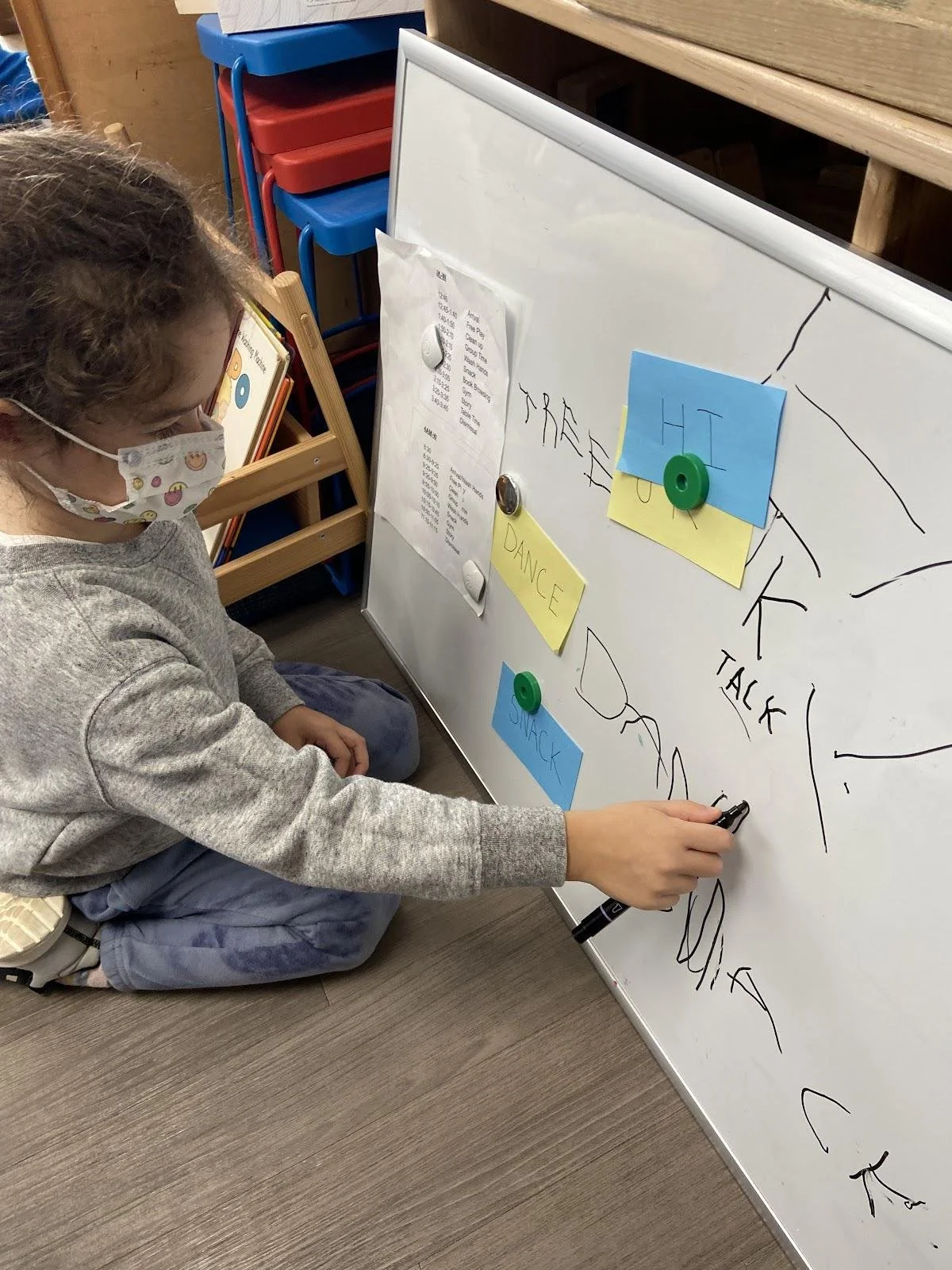
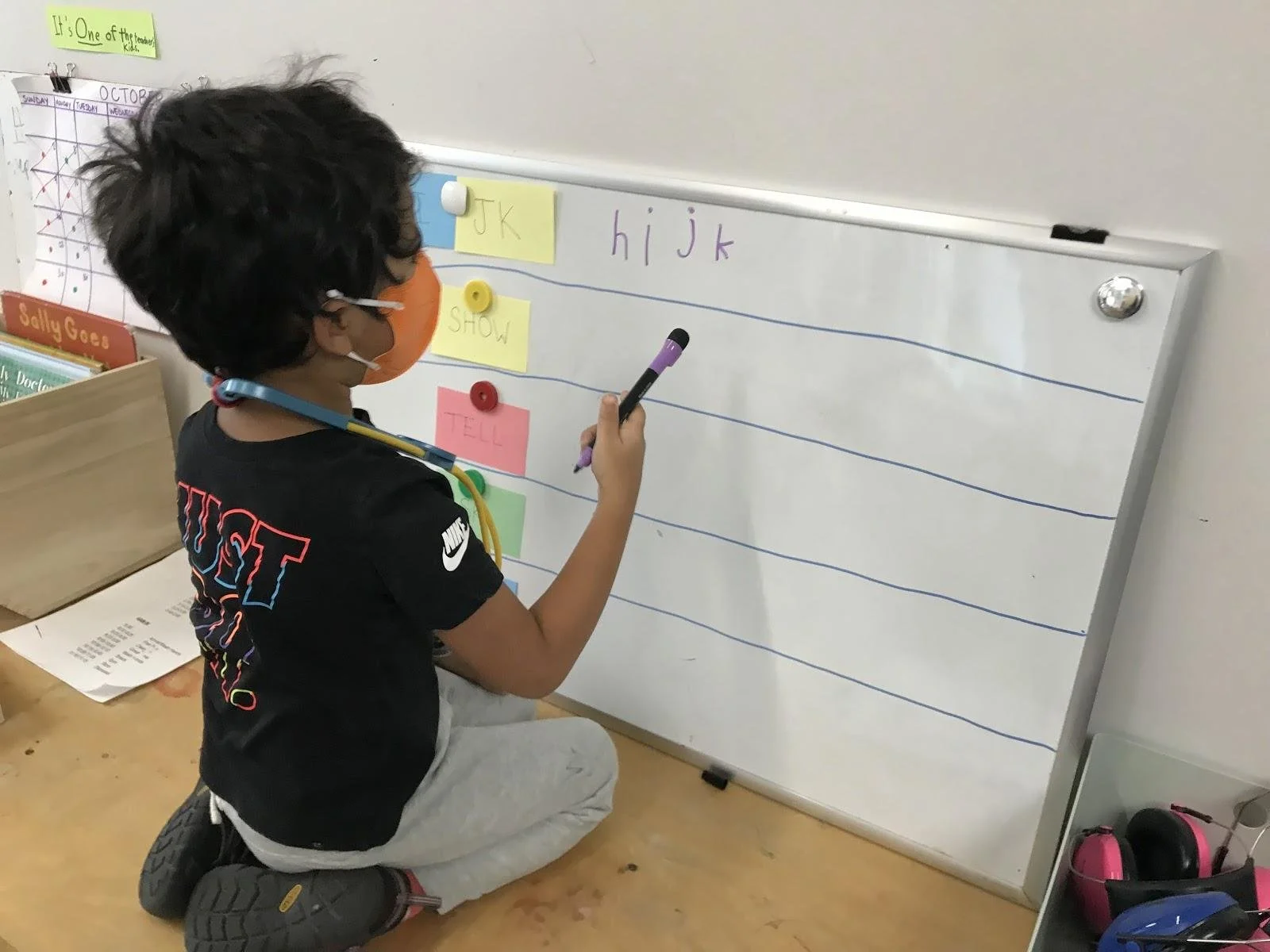
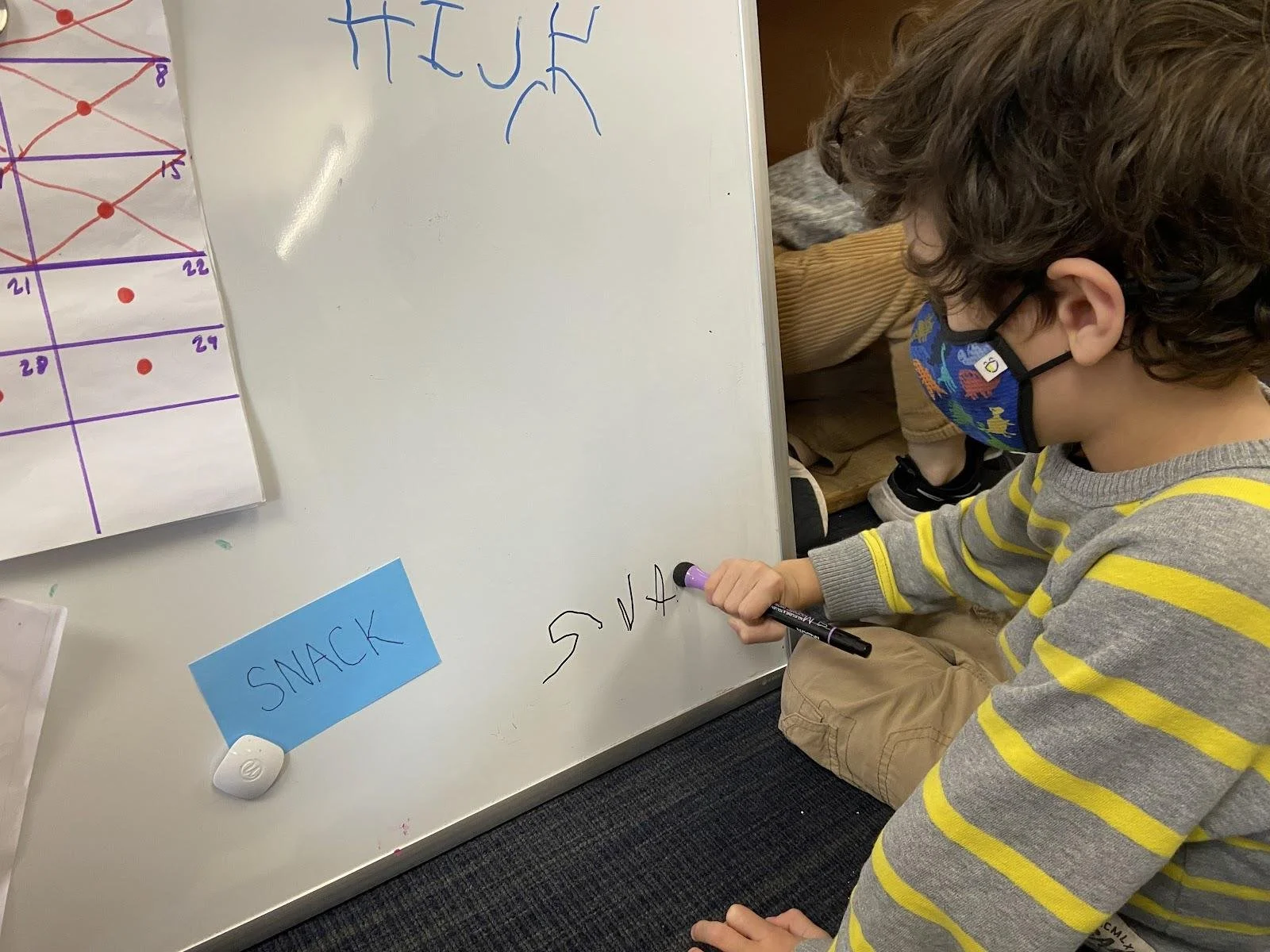
On the whiteboard teachers have been writing simple words, like Songs, Show, Talk, Game, Snack to indicate what we would do or talk about each day. At the top, we usually write HI JK, and we read that one first to invite everyone to greet one another. Then, we cross it off. Lately, kids have been enjoying the dancing after cleanup that leads into grouptime so we’ve also been writing Dance on the agenda. Another thing to cross off when it’s finished. As we go down the list of items, and cross each off, even the kids who aren’t reading can see a visual about how many things we’ve done, or how many are left for that group time. 

Most kids aren’t yet reading the words, though some are. Many will take a guess or notice the letters or not pay too much attention at all. That’s ok. We want the agenda to provide some simple sight words, sure, but mainly we want kids to know there is a purpose for group time. The literacy benefits are many, but we also want kids to take some ownership of grouptime, and know that this is a time we can all share something with one another, whether we talk about a particular topic, show and demo a new class activity, play a game or sing songs together. And, of course, each day we hear what we’ll be having for snack! We want kids to think of group time as their time, when we do things that are important to them, and offer another way for us all to reflect on this group activity. 

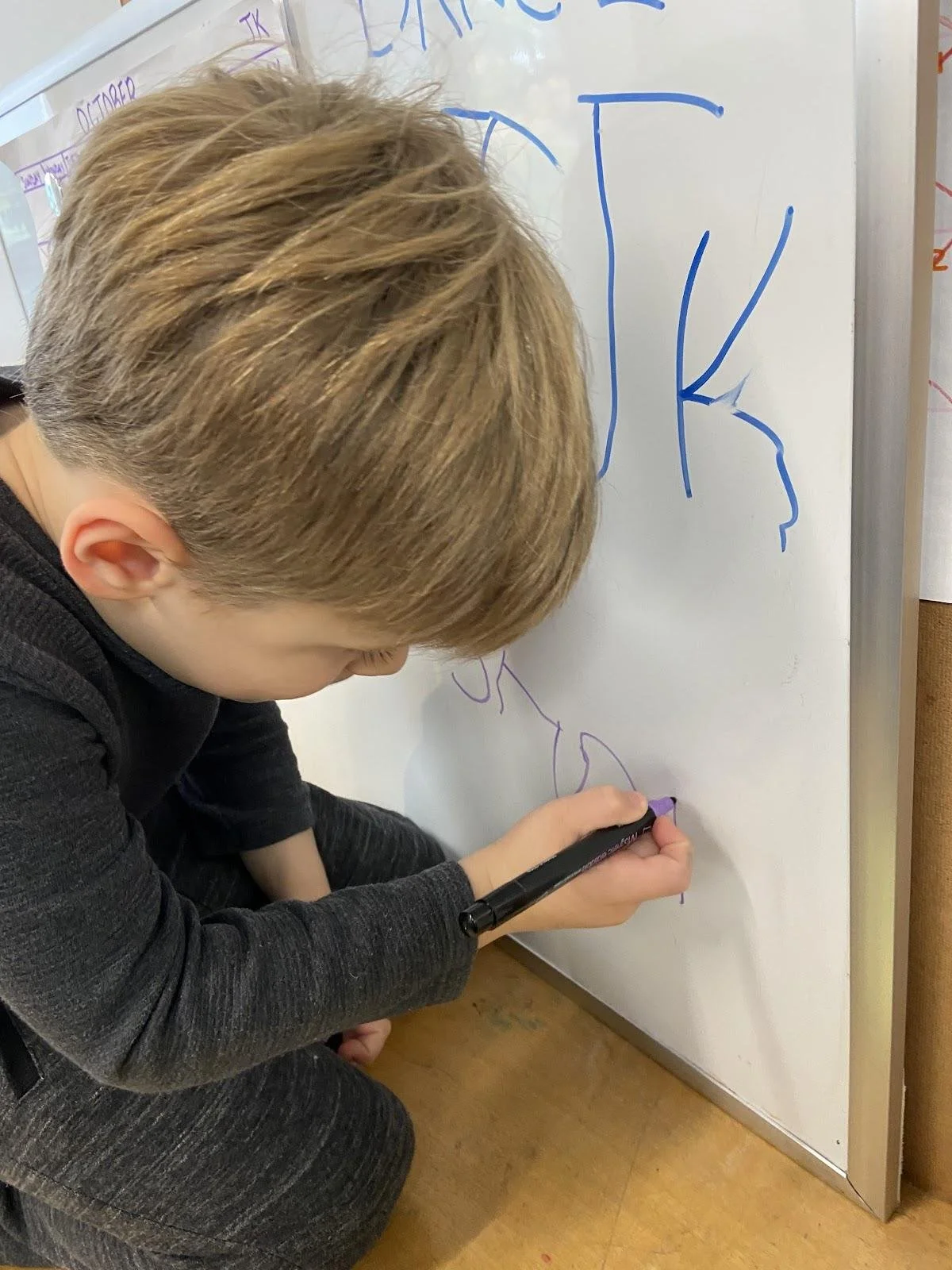
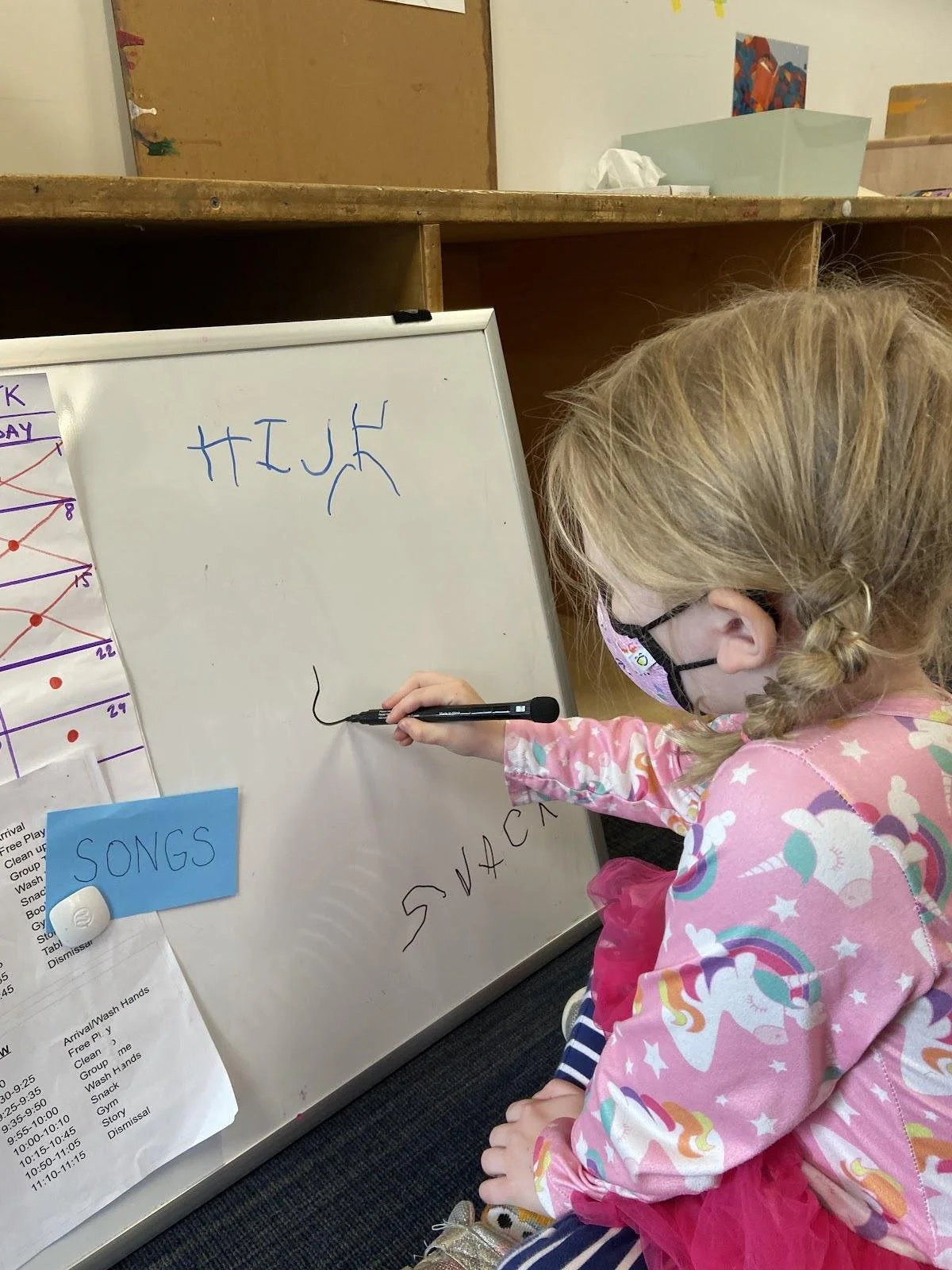
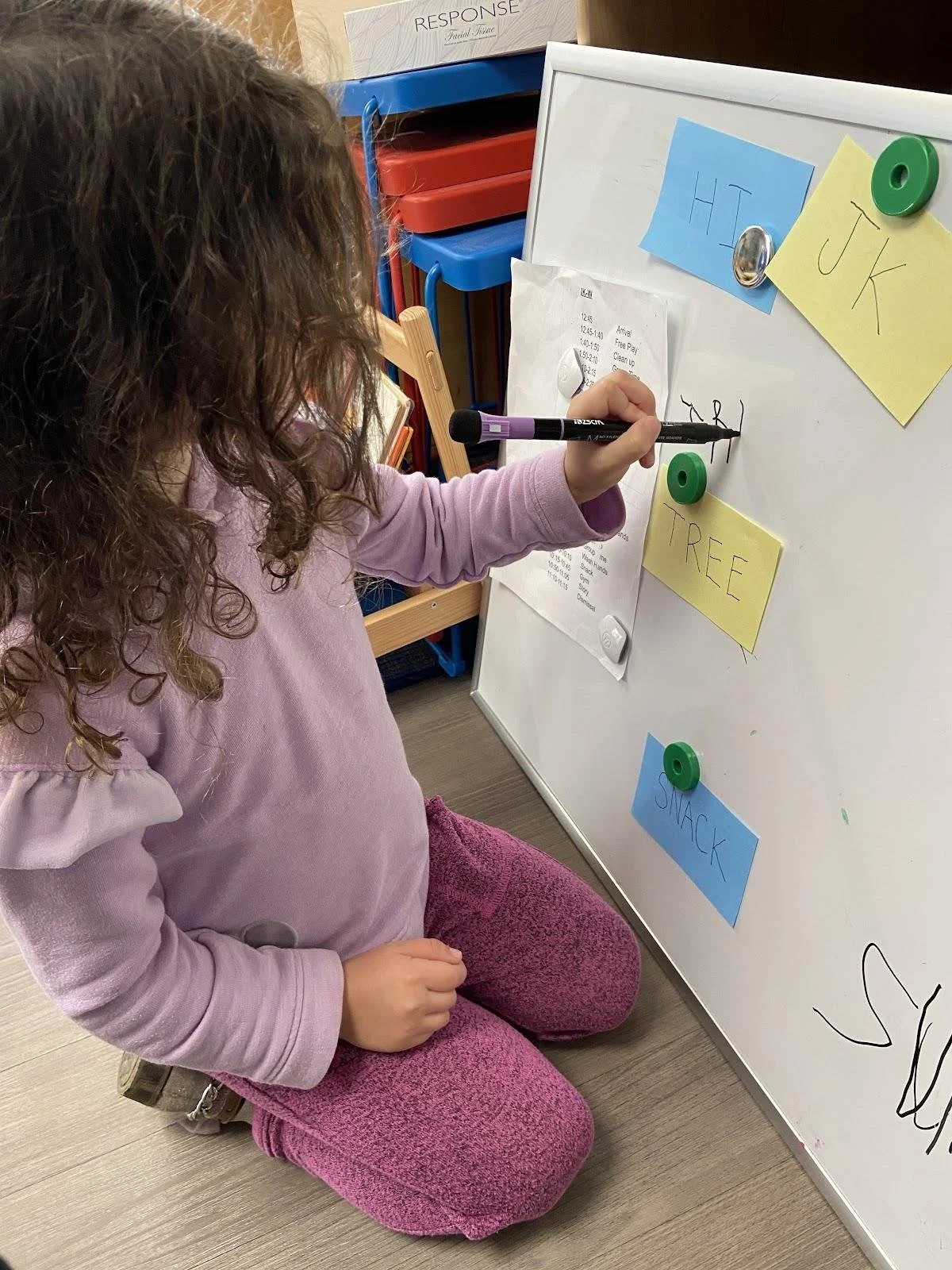
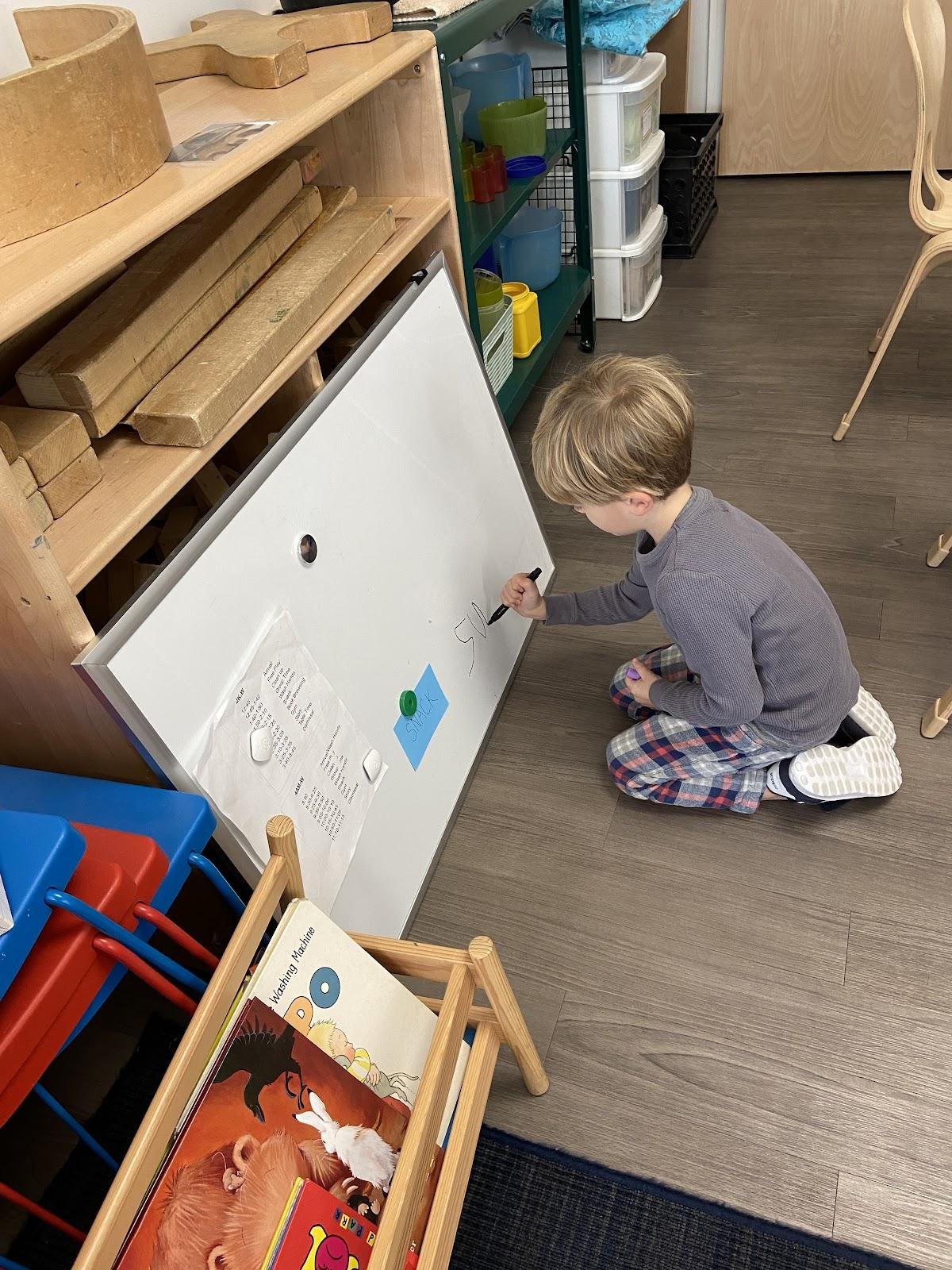
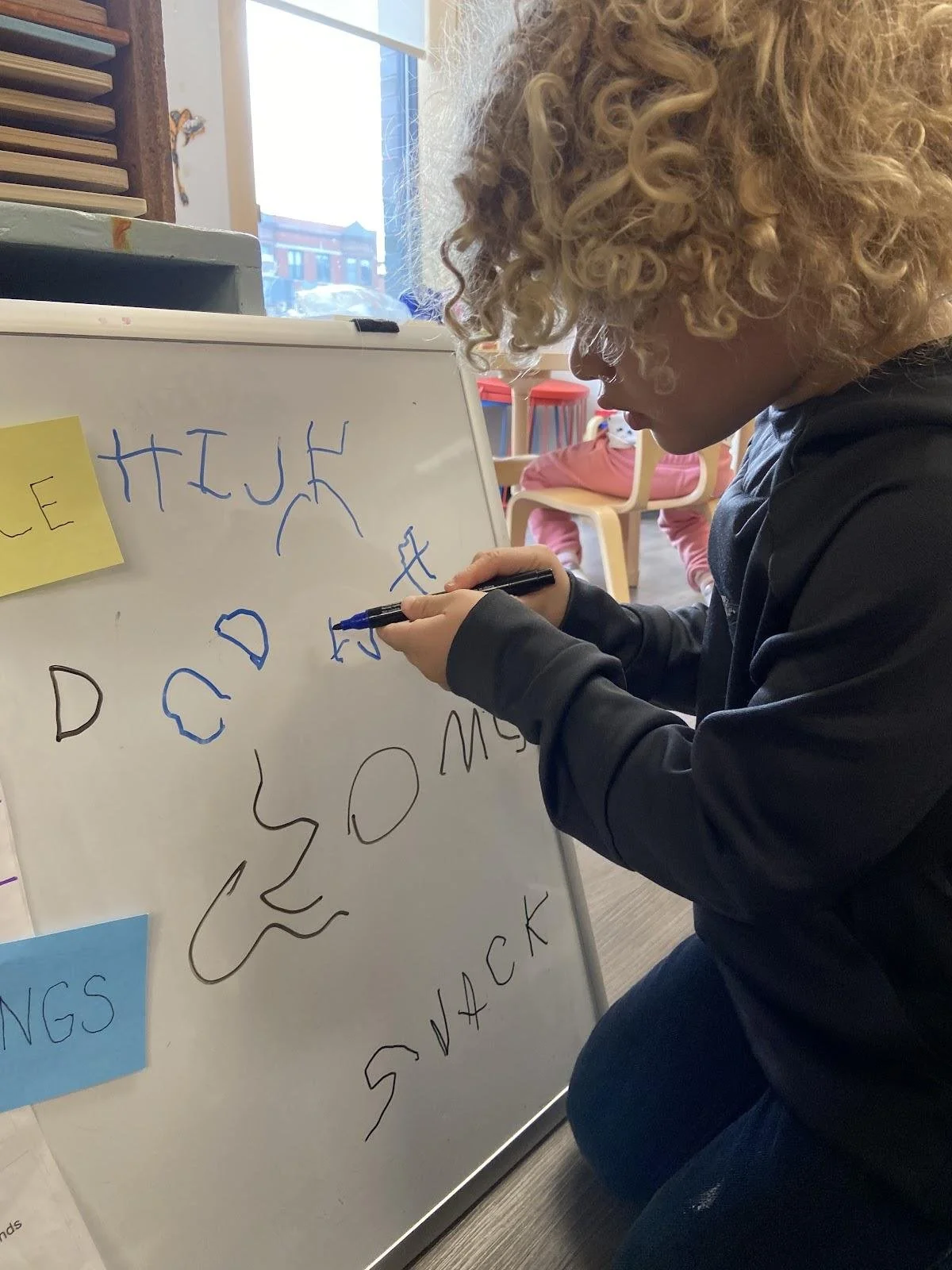
Recently, some kids have seen teachers writing the agenda, and asked if they could try it, too. Last week, kids began contributing to the agenda. We created note cards with each of the words so they could see them, and invited kids to choose one to write. Some were eager, others didn’t want a turn, but with encouragement each child gave it a try. If kids said they didn’t know how, we told them it would take a lot of practice to learn to write all those letters, so trying could help make it easier next time. We also showed how to erase if they weren’t happy with how the letters turned out, so they could try it again. A white board is a great way for kids to work on writing, especially for kids who are reluctant to try until they master something. 

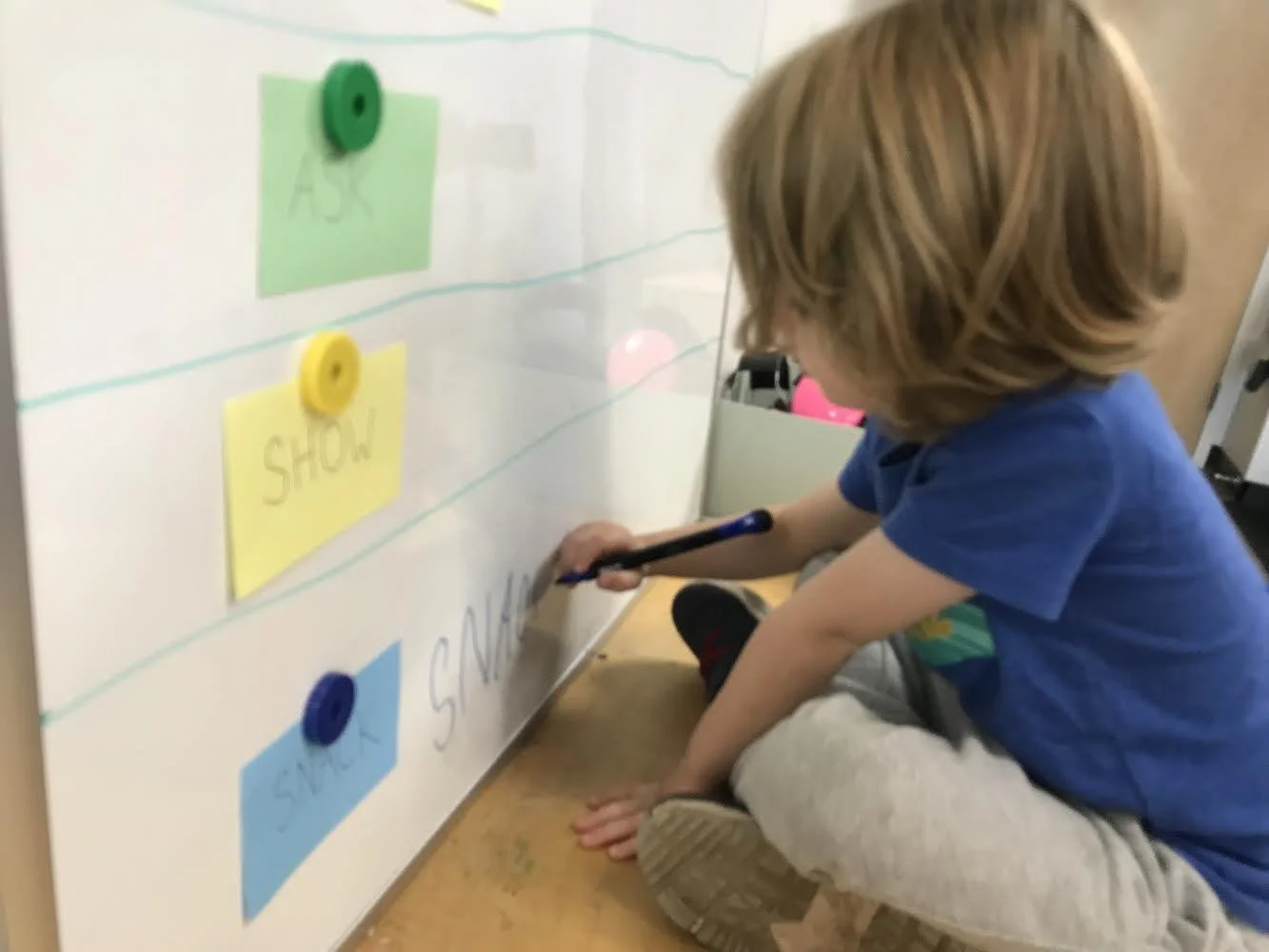
When we showed the agenda for group time, we kept the note cards posted so that kids could still see the words in a more legible way, if the writing was hard to decipher. This week we created lines on the agenda, which adds to the challenge. Most kids usually write very big letters, all over the place, at first. It takes quite a while and much practice to write in a controlled, linear way, with letters small enough to fit within lines. 

No matter the ability, level of experience, or previous interest, everybody has been rightfully proud of contributing to our agenda. We hope to keep providing ways for JK kids to practice those early writing skills, as well as offering more ways for kids to contribute to our group times.


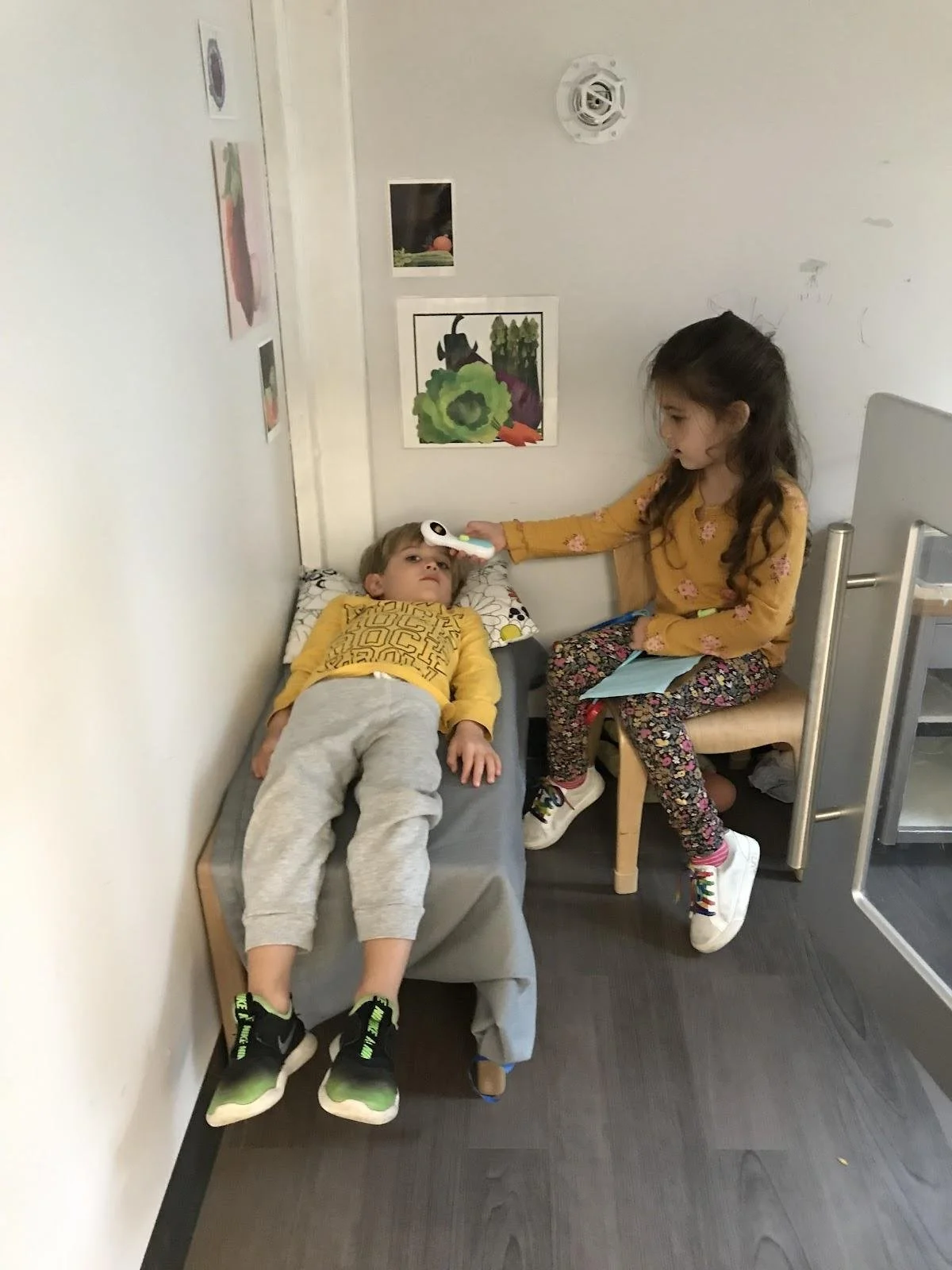
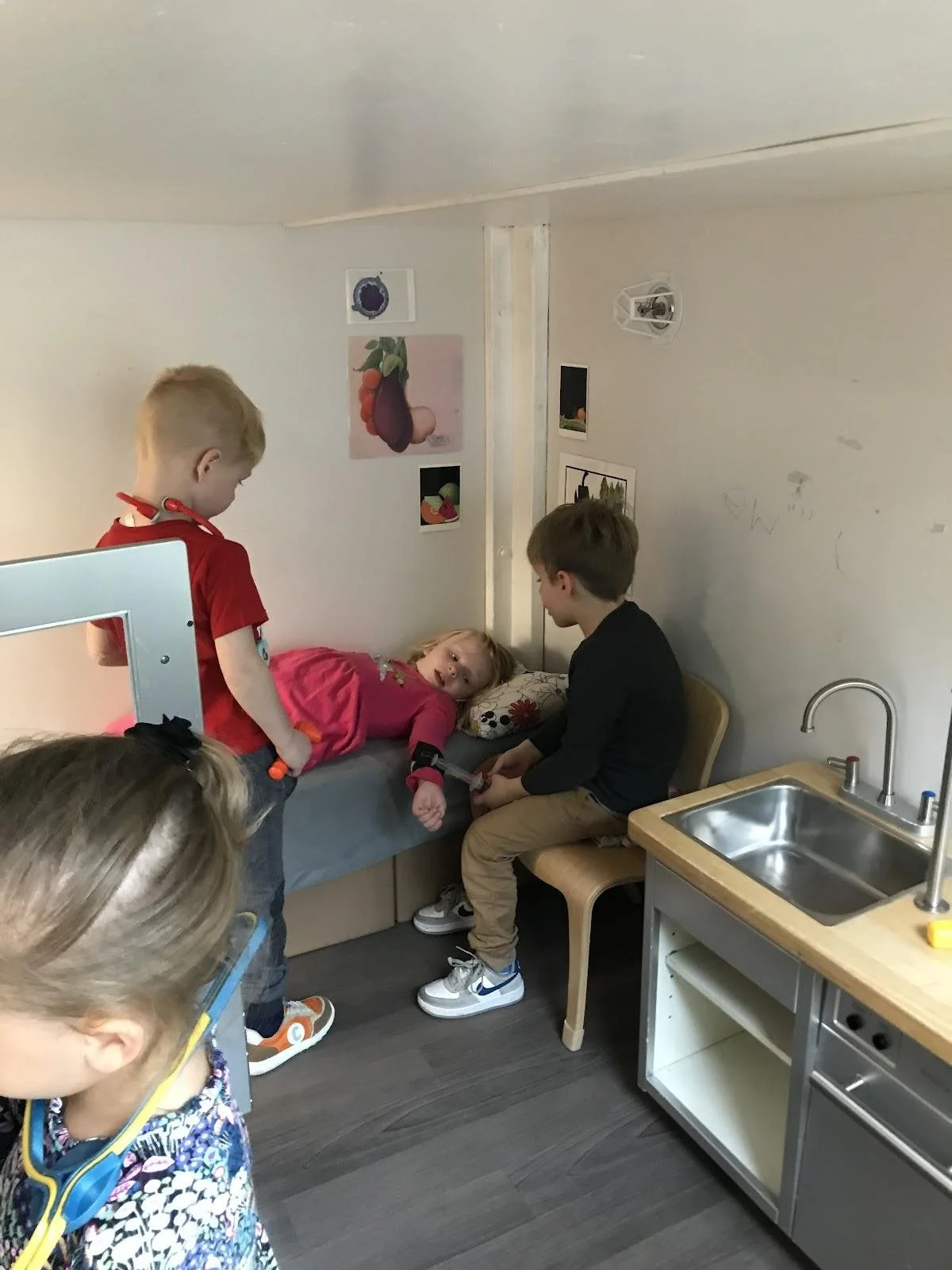
The doctors are in!

Hi, everyone.

Over the last few weeks, we’ve noticed that kids have been talking about their experiences of being sick, needing to stay home or visit the doctor. Some kids have also been bringing in doctor play ideas they’ve tried at home or have seen in shows or stories.

We know that kids have had various real life experiences with checkups and Doctor visits for illness. Some may have had hospitalizations or intrusive procedures. People they know may be sick, hurt or exhibiting signs of physical decline. Many have some understanding that we wear masks to avoid illness or that events have been altered due to “the germ.”
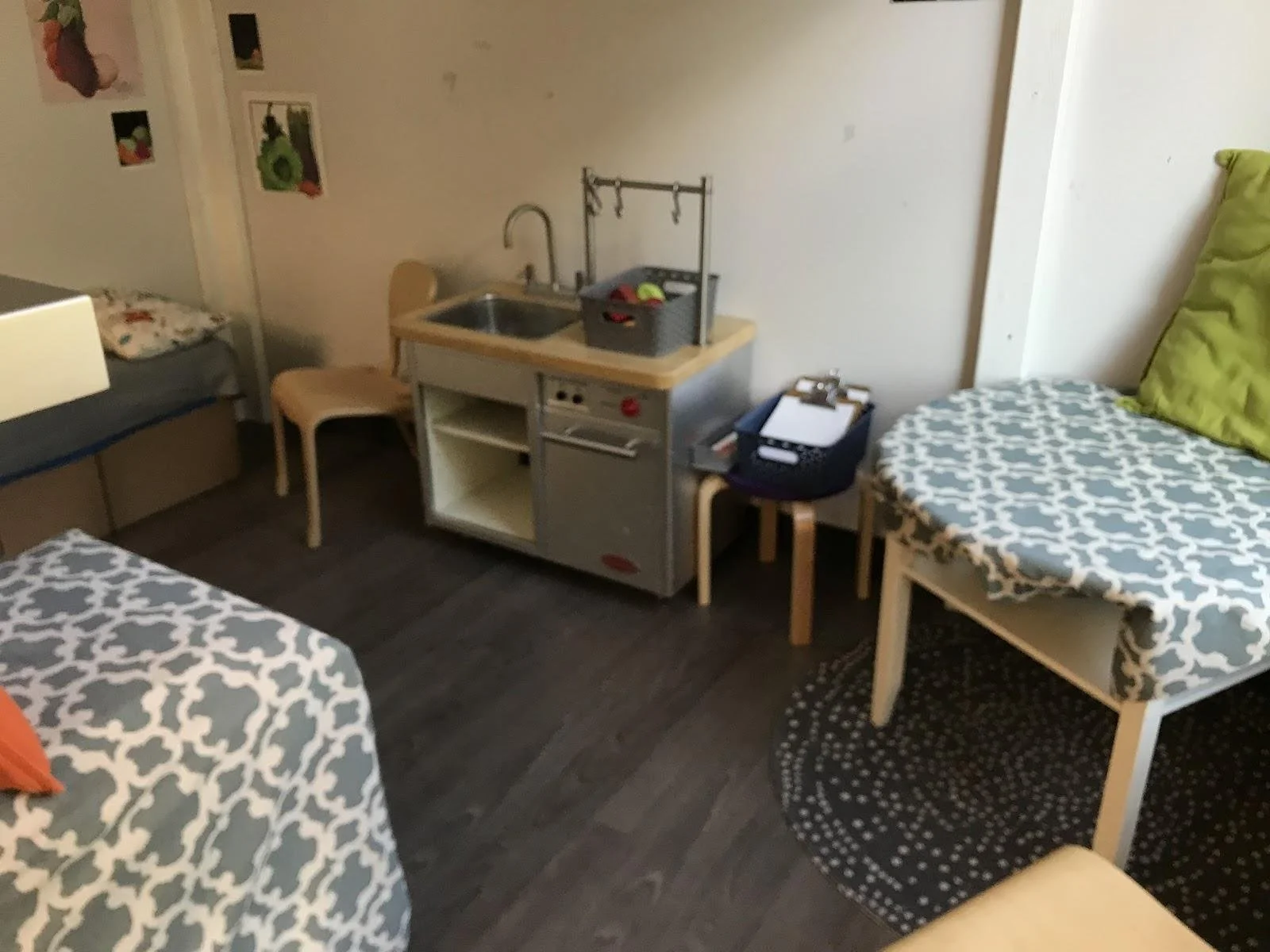
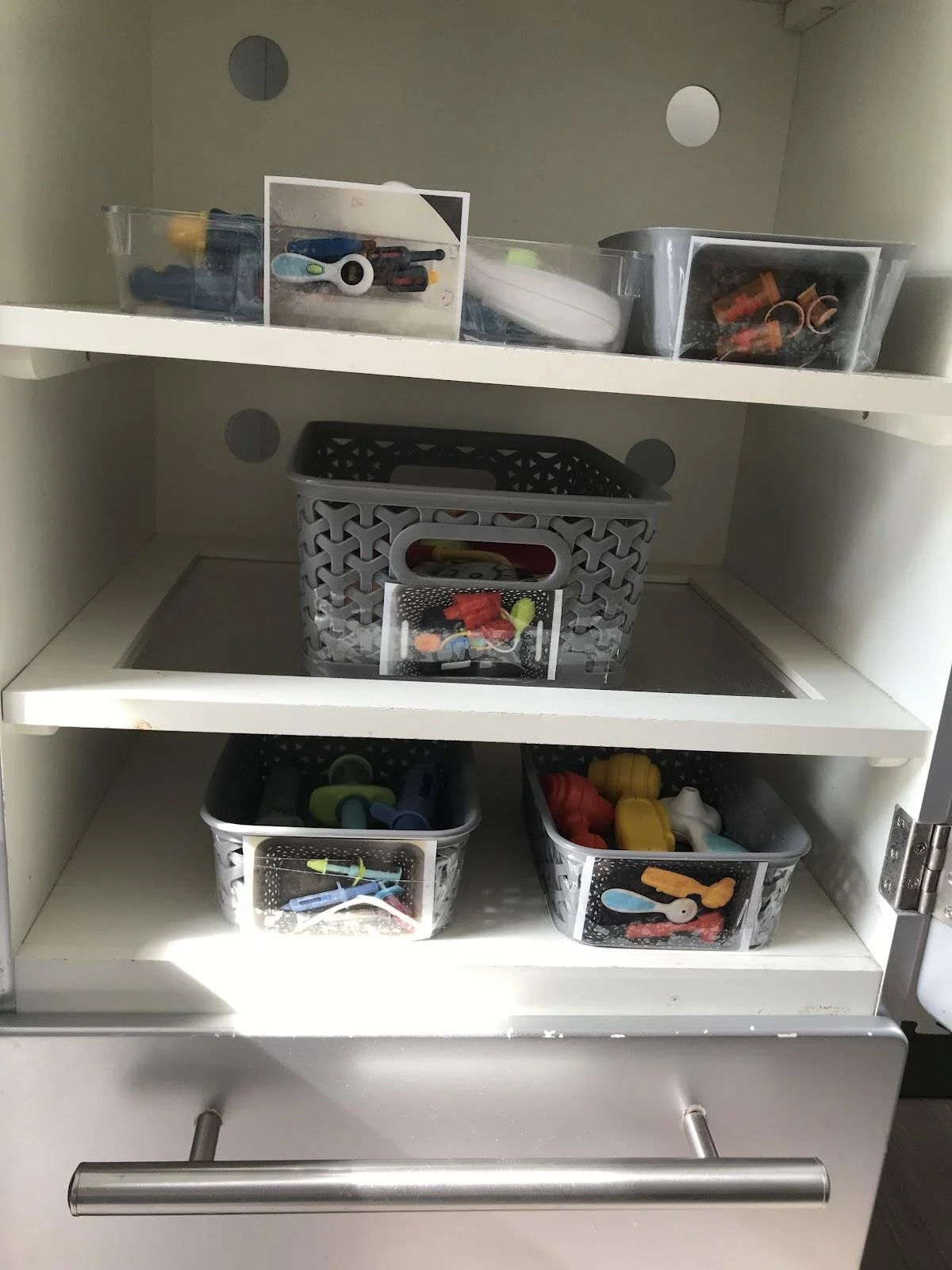
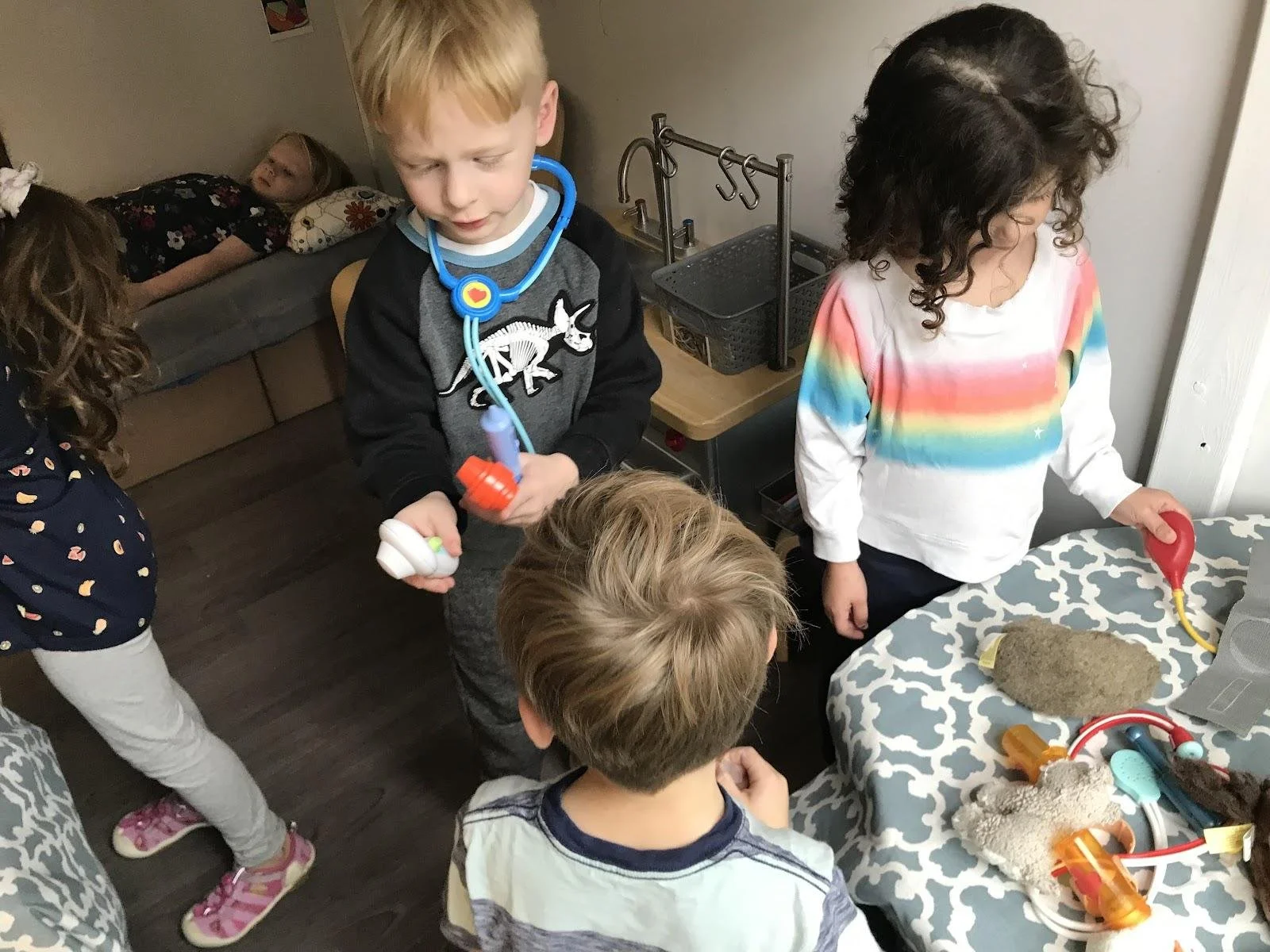
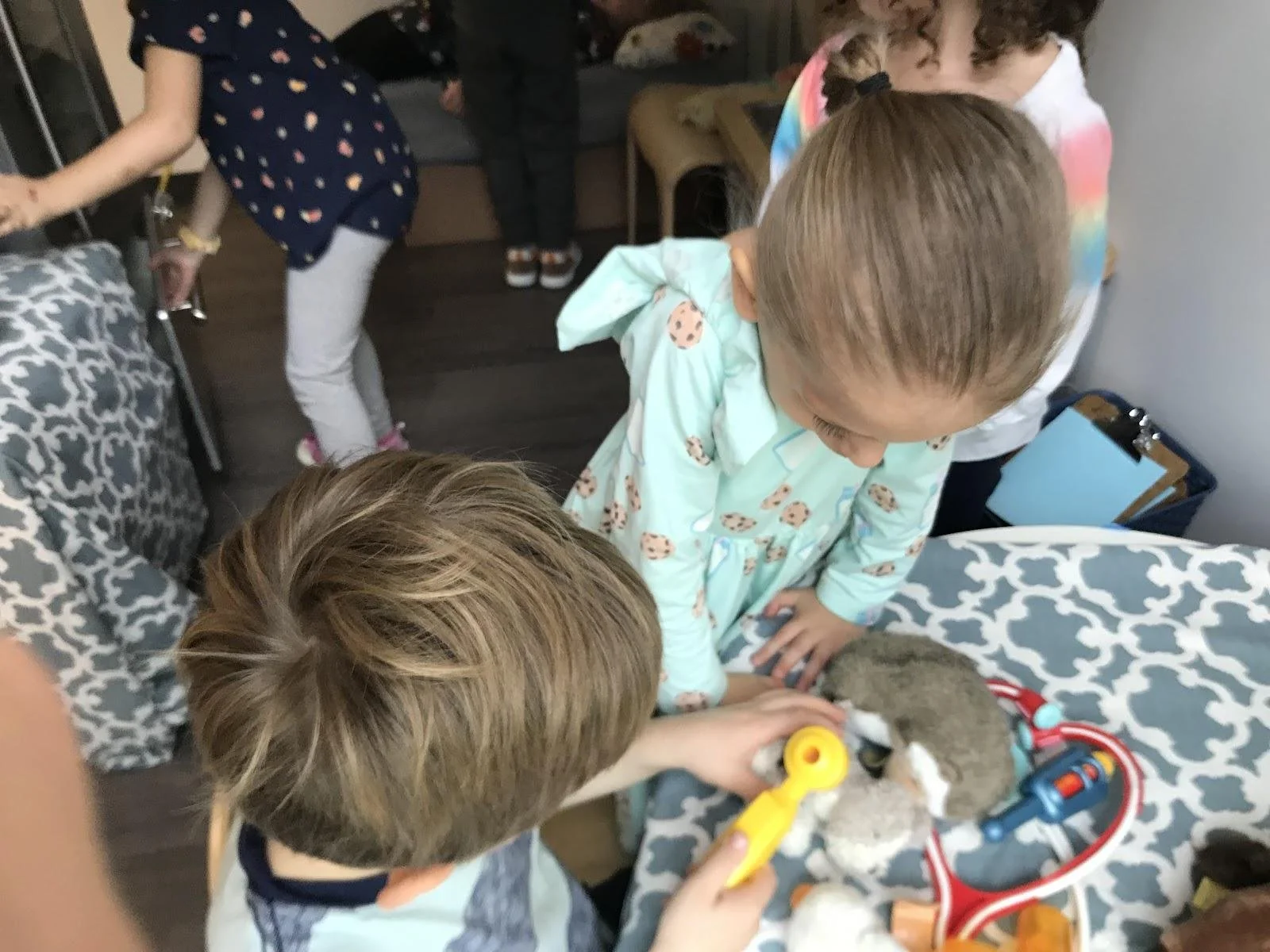
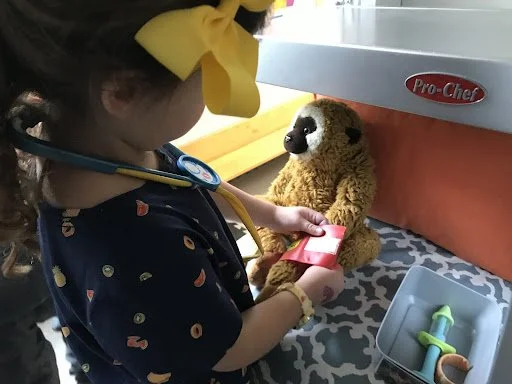
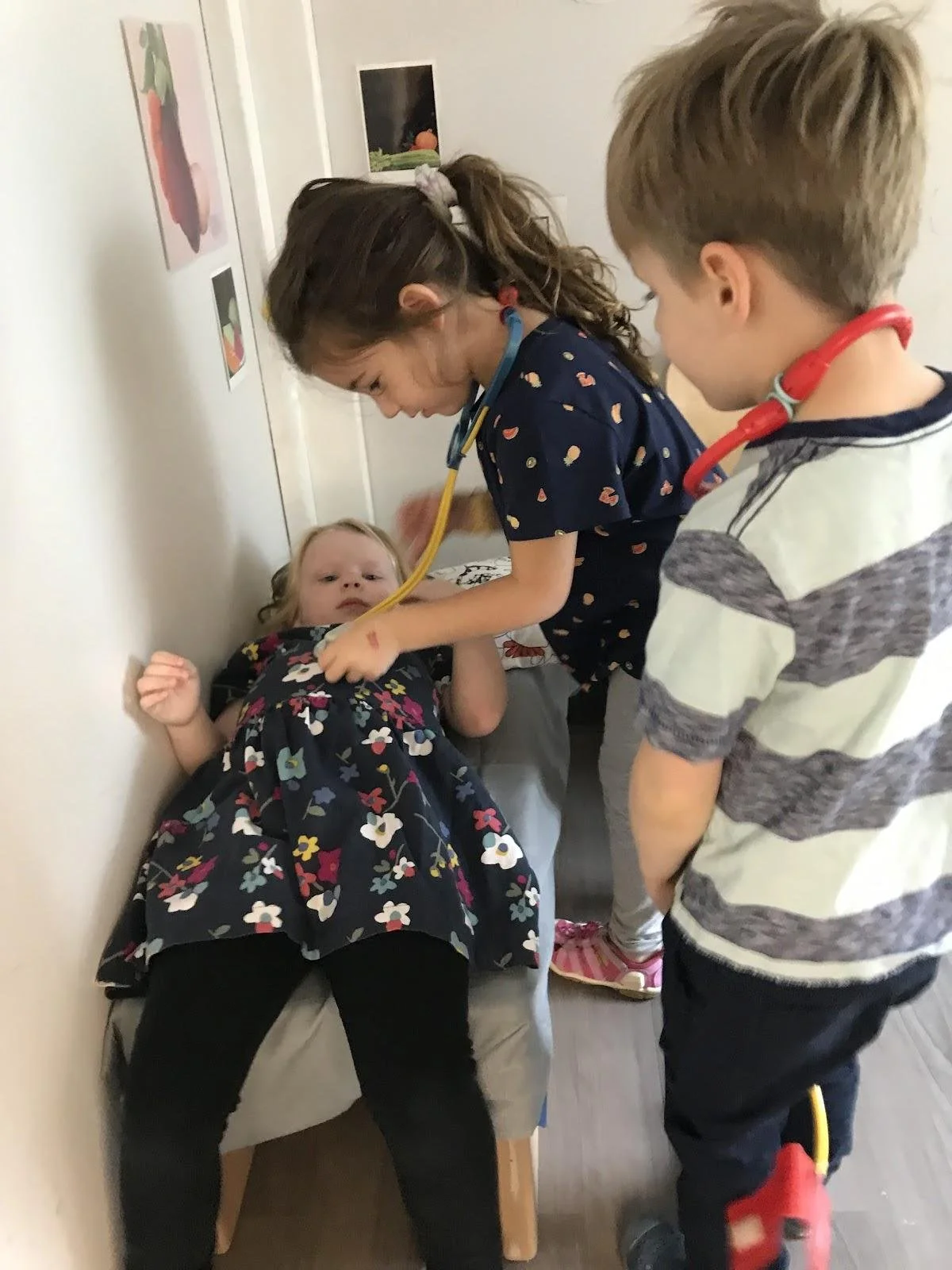
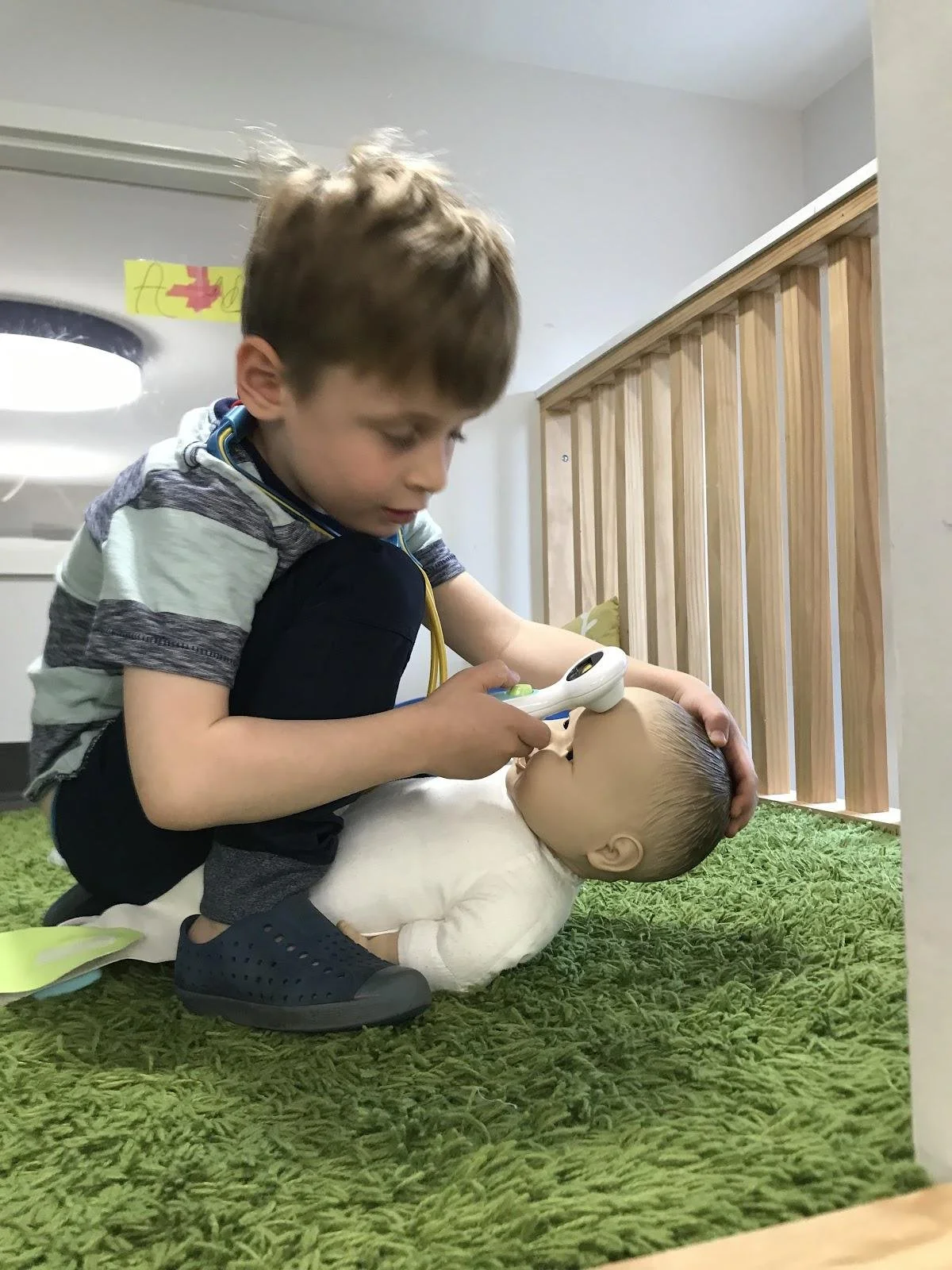
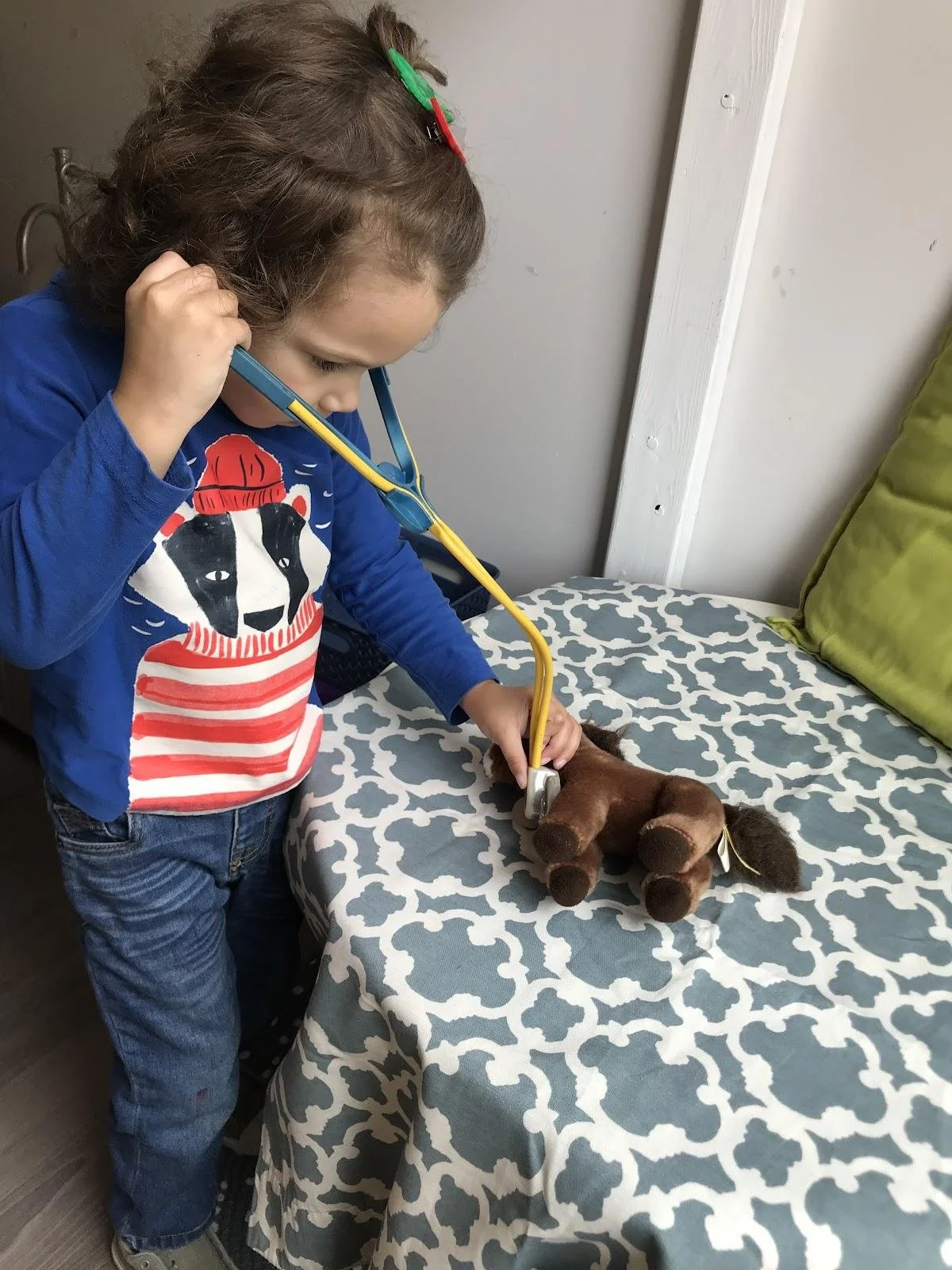
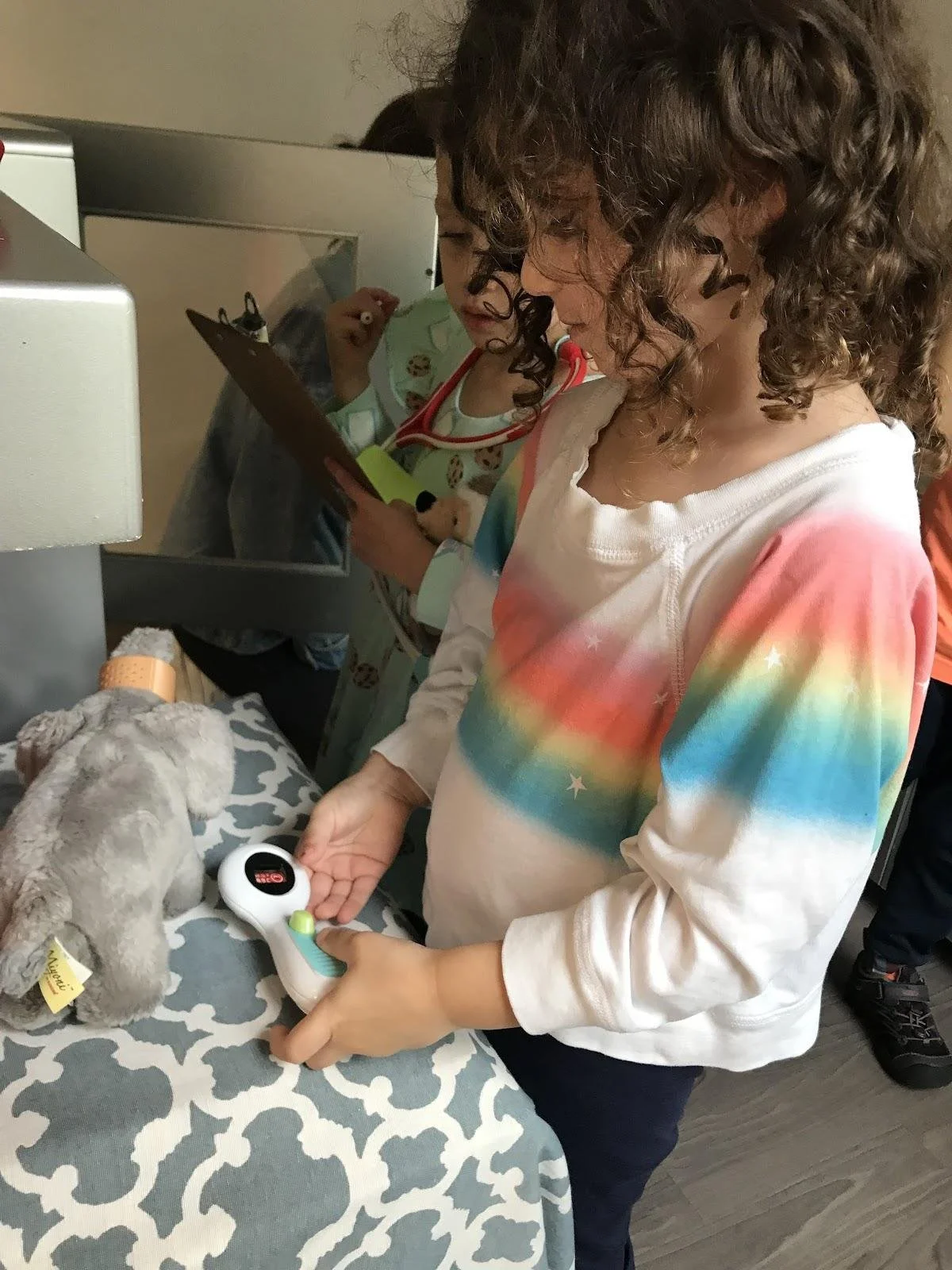
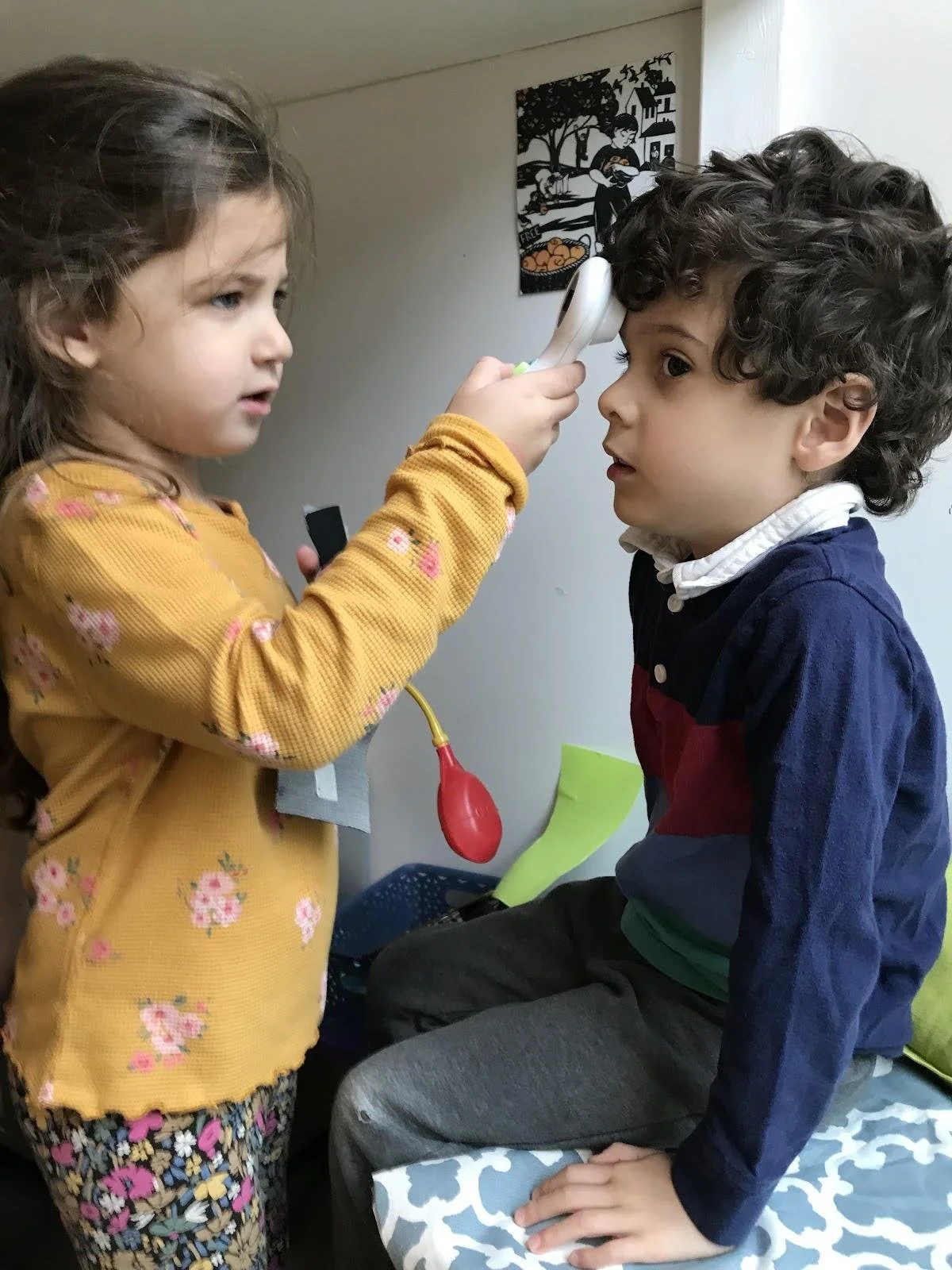
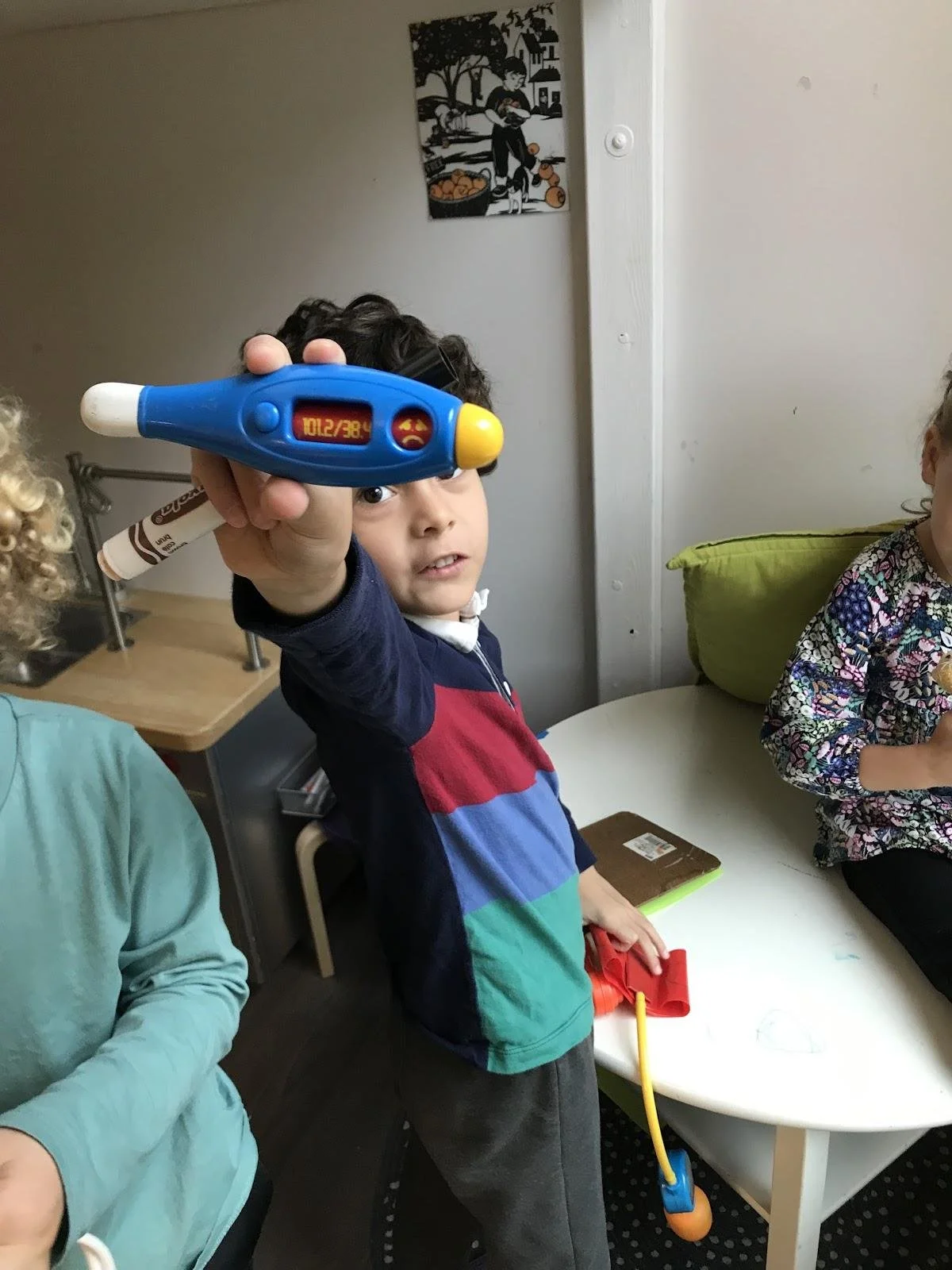
In order to further extend their play and thinking around these concepts, we’ve transformed the bottom of our playhouse into a doctor’s office. Doctor and Dentist play can be important ways to help young children process experiences they might find confusing, unpleasant or overwhelming. In the classroom, we offer Doctor play with baskets of Doctor tools, books and ongoing narrations throughout the play to help children understand what the Doctor is doing, and why.

Even if you don’t have a toy dr kit at home, you can encourage your child to engage in imaginative doctor play. Kids can substitute other objects for the tools. Pretending to be the Doctor, patient, or the patient’s parent can empower kids and give them a sense of control over the experience. Very young kids might need some prompts from you to get started. You can suggest that one of their toys is sick or hurt, or take on the role of patient yourself. Kids are usually pretty excited to be the one telling adults they need to take medicine or lie down and rest, or giving them shots. You can model that thinking a happy thought or holding someone’s hand during the shot can help.

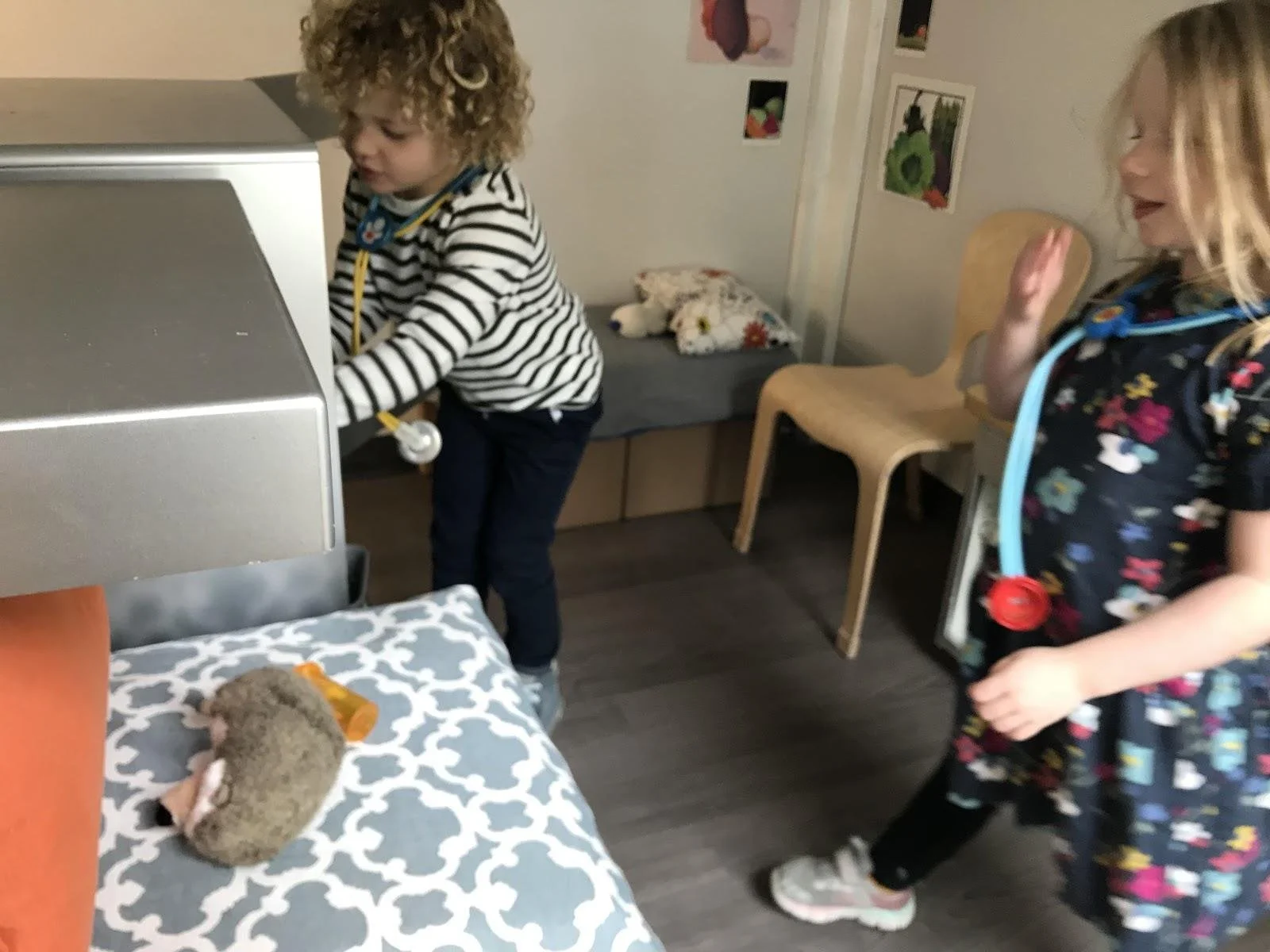
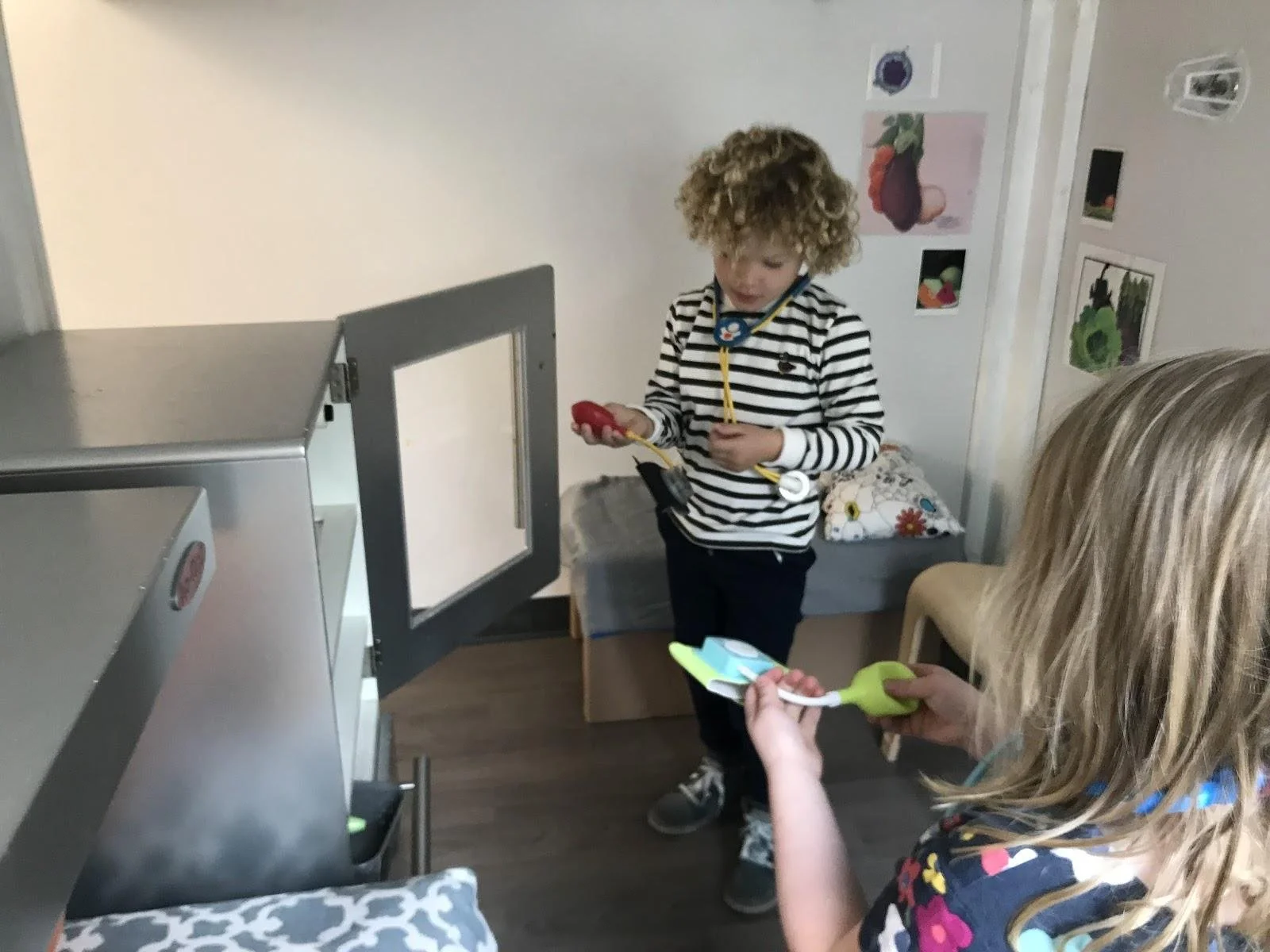
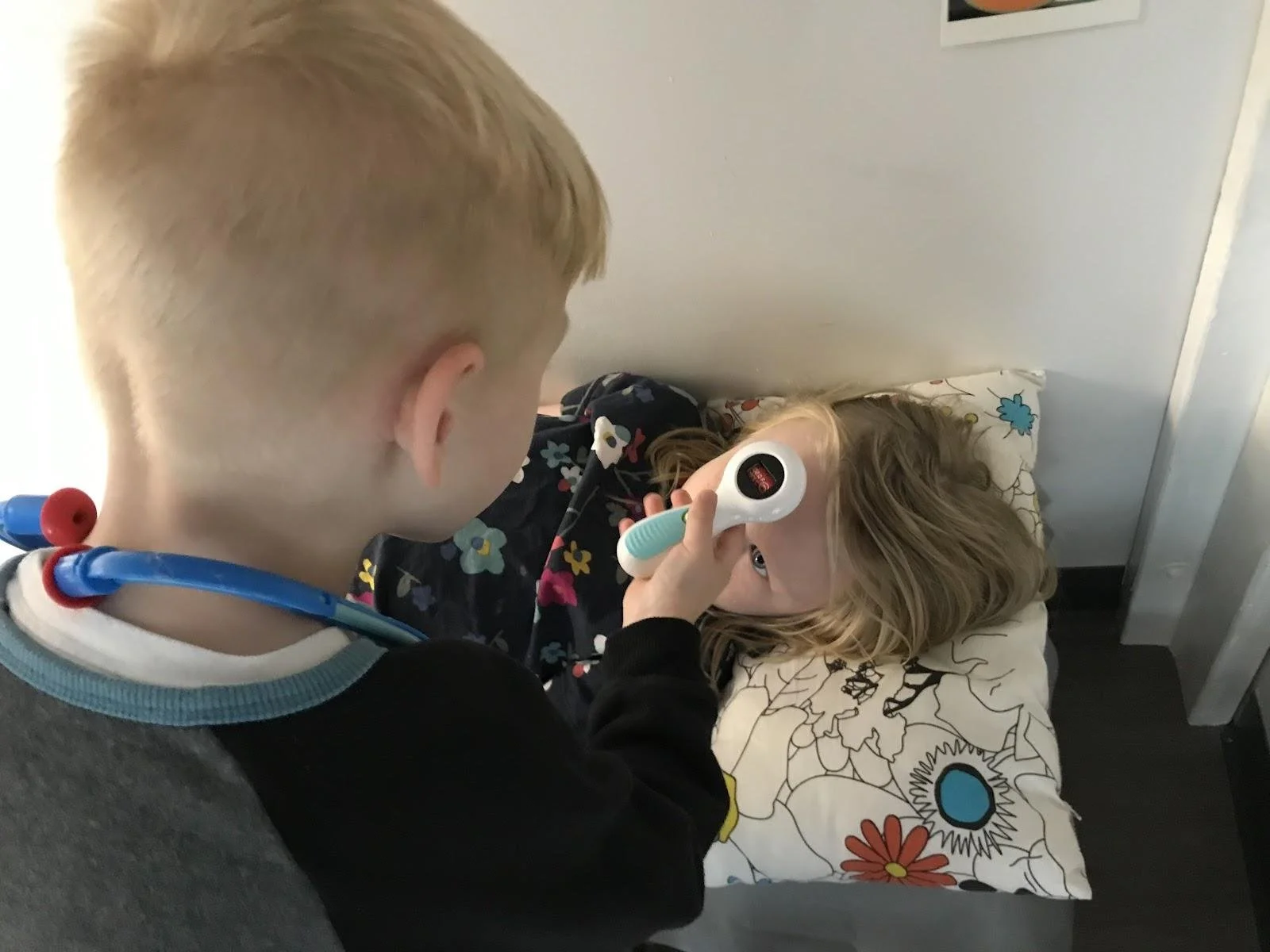
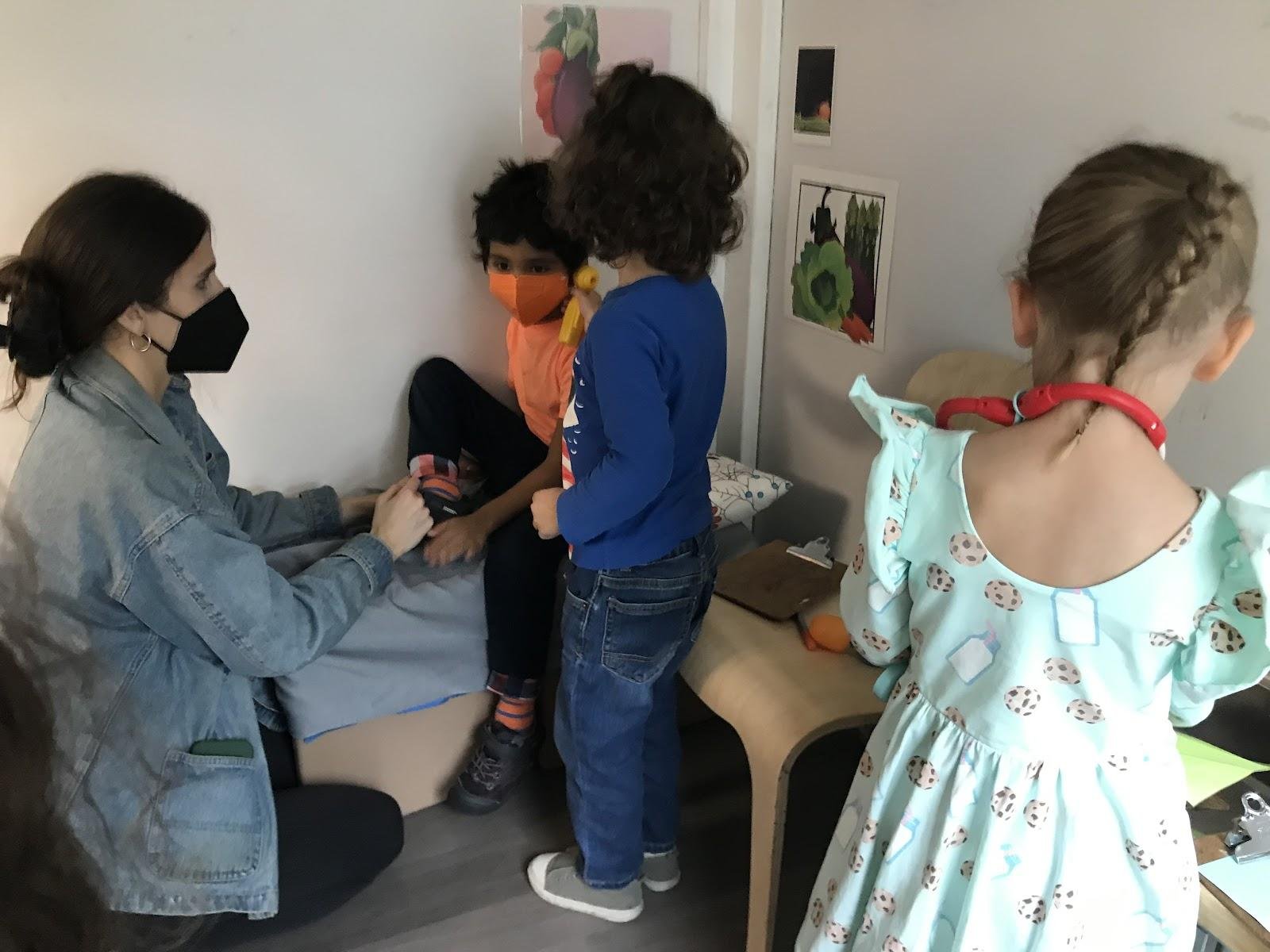
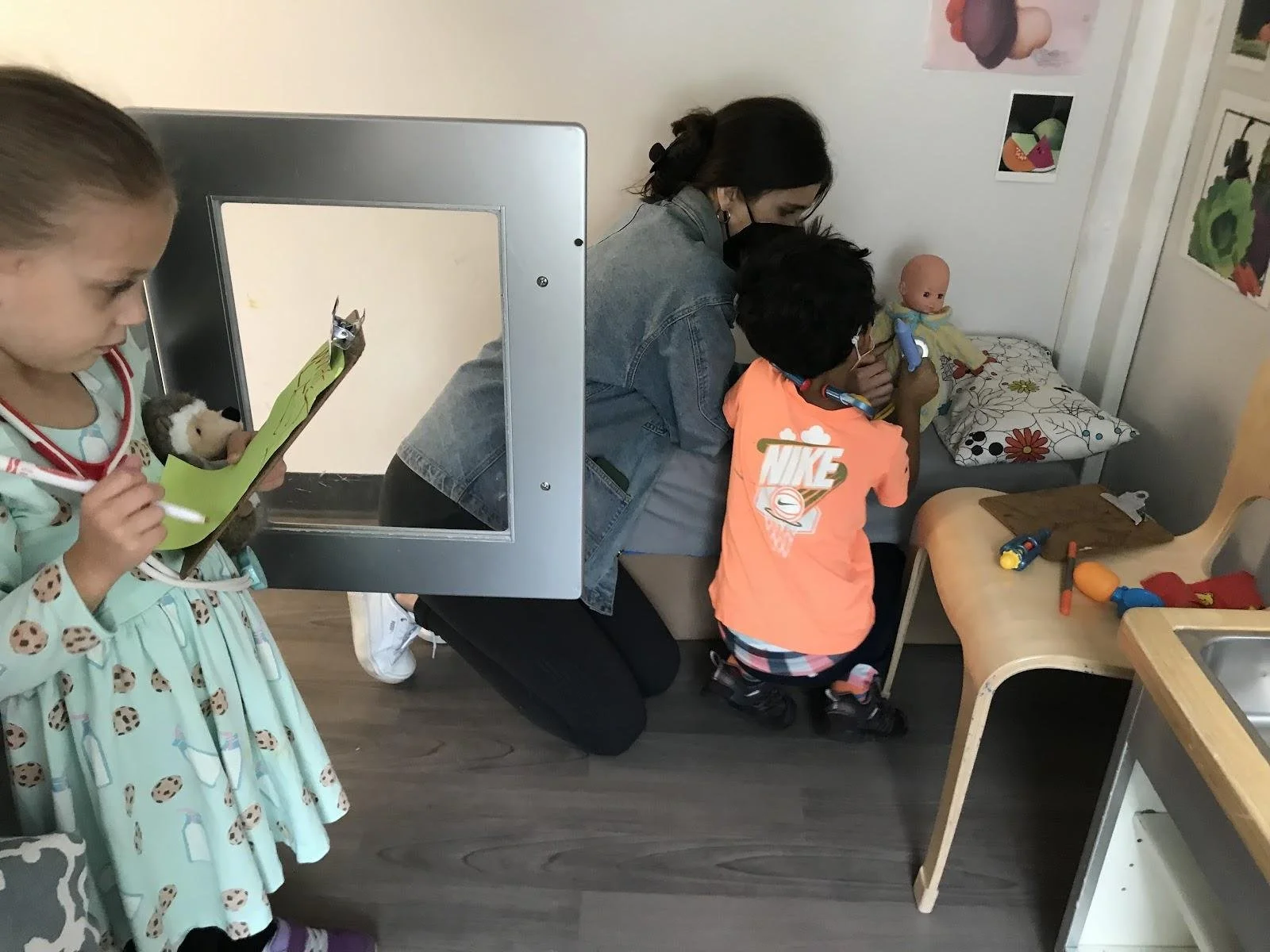
Below are some photos of our first week in our Park West’s Doctor’s office.

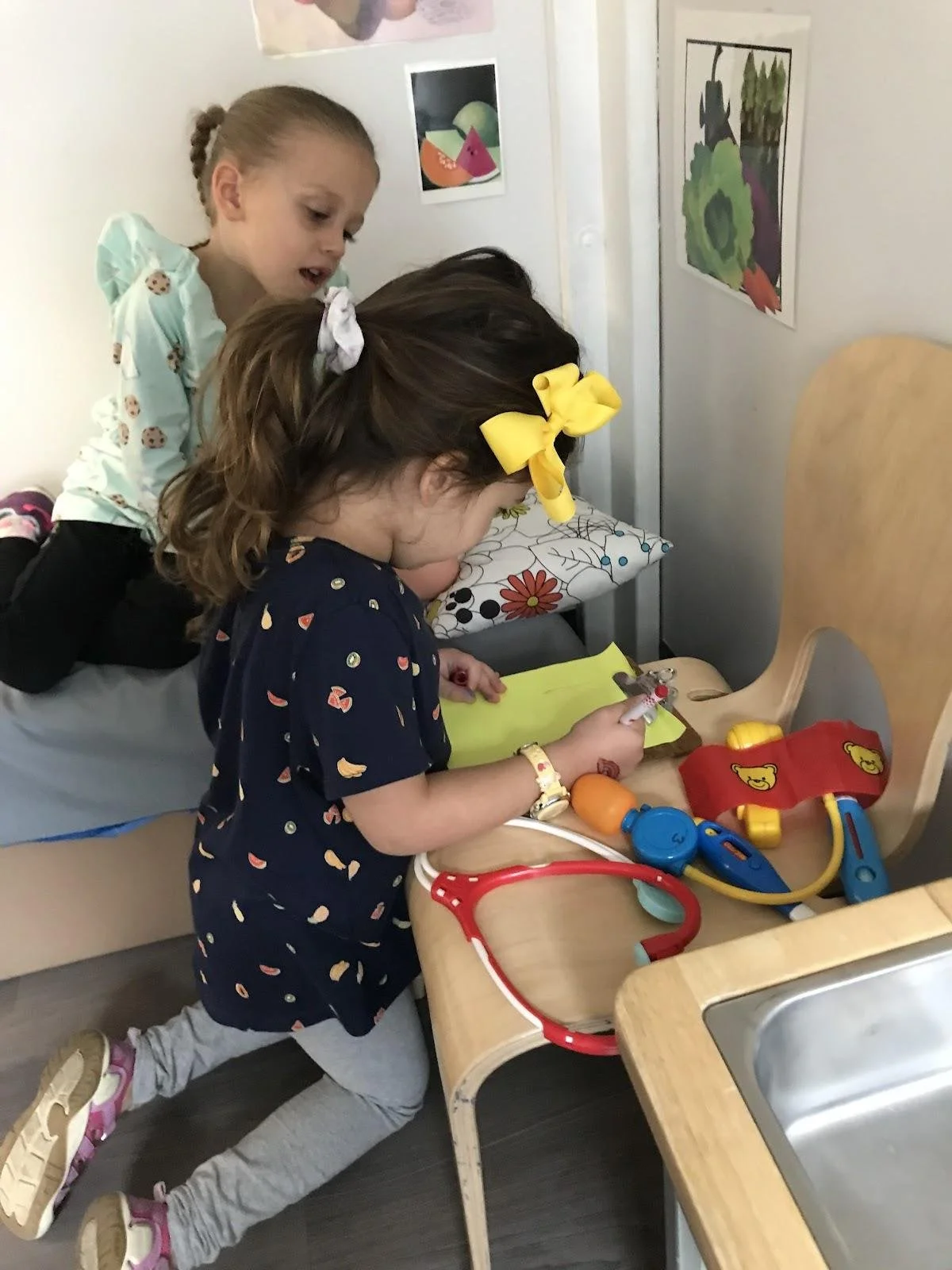
A couple of JK kids entered the playhouse and noticed the transformation, Where’s the food?! What? Doctor stuff?! They wanted to share the news with everyone else, Hey! There’s stuff in here! Two kids accompanied a teacher to the light switch. The teacher blinked the lights, and they were excited to share the news that the dishes and food are gone. It’s a doctor’s office now! (A few of the dishes and food items were actually transferred to the upstairs portion of our playhouse for any children wanting to continue tending to the babies or playhouse “house” together.) 
Other children then came in to explore and tend to any animals, babies or JK kids as patients:


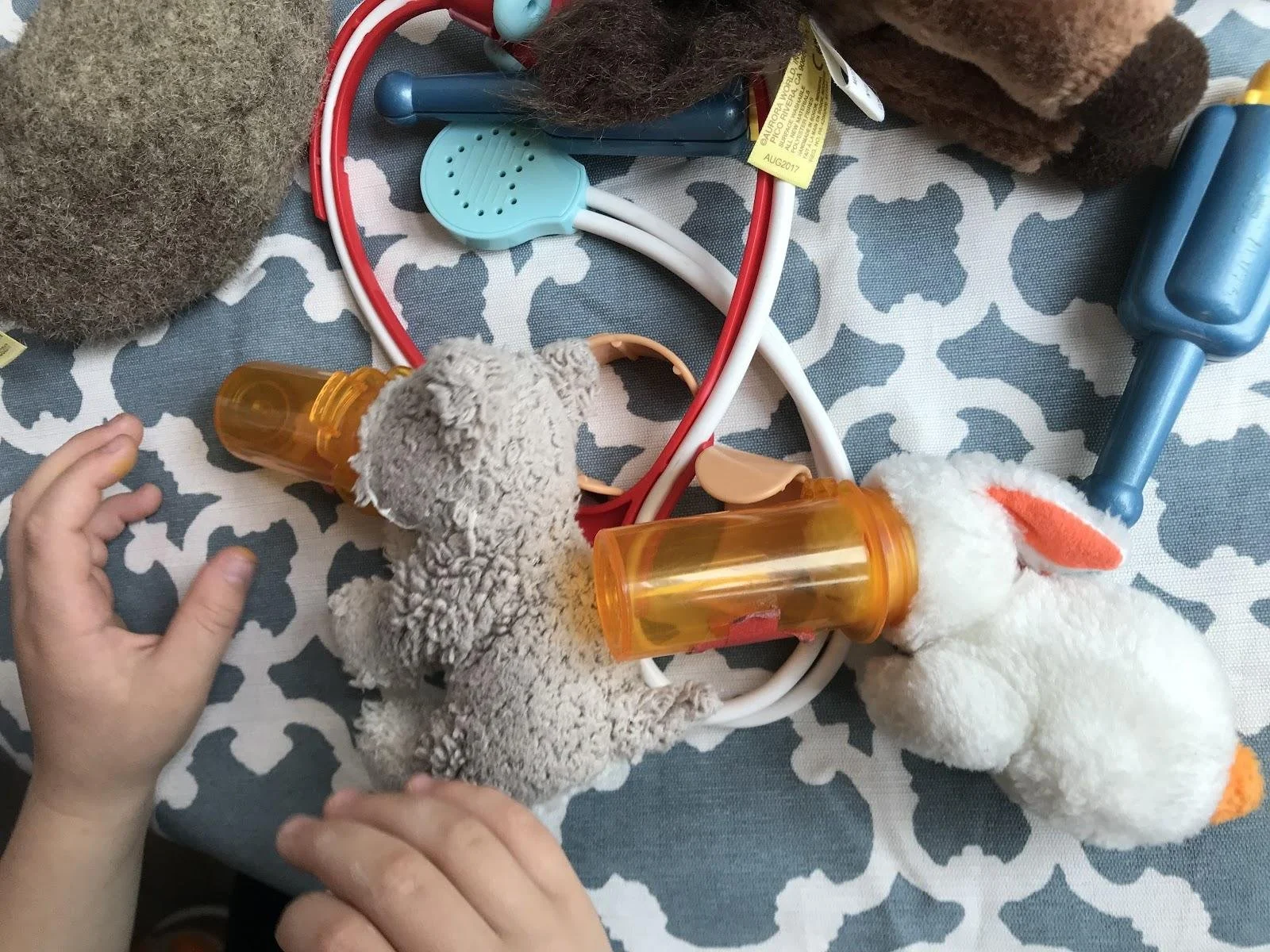
The doctor ordered up breathing treatments and prescribed inhalers for some sick animals


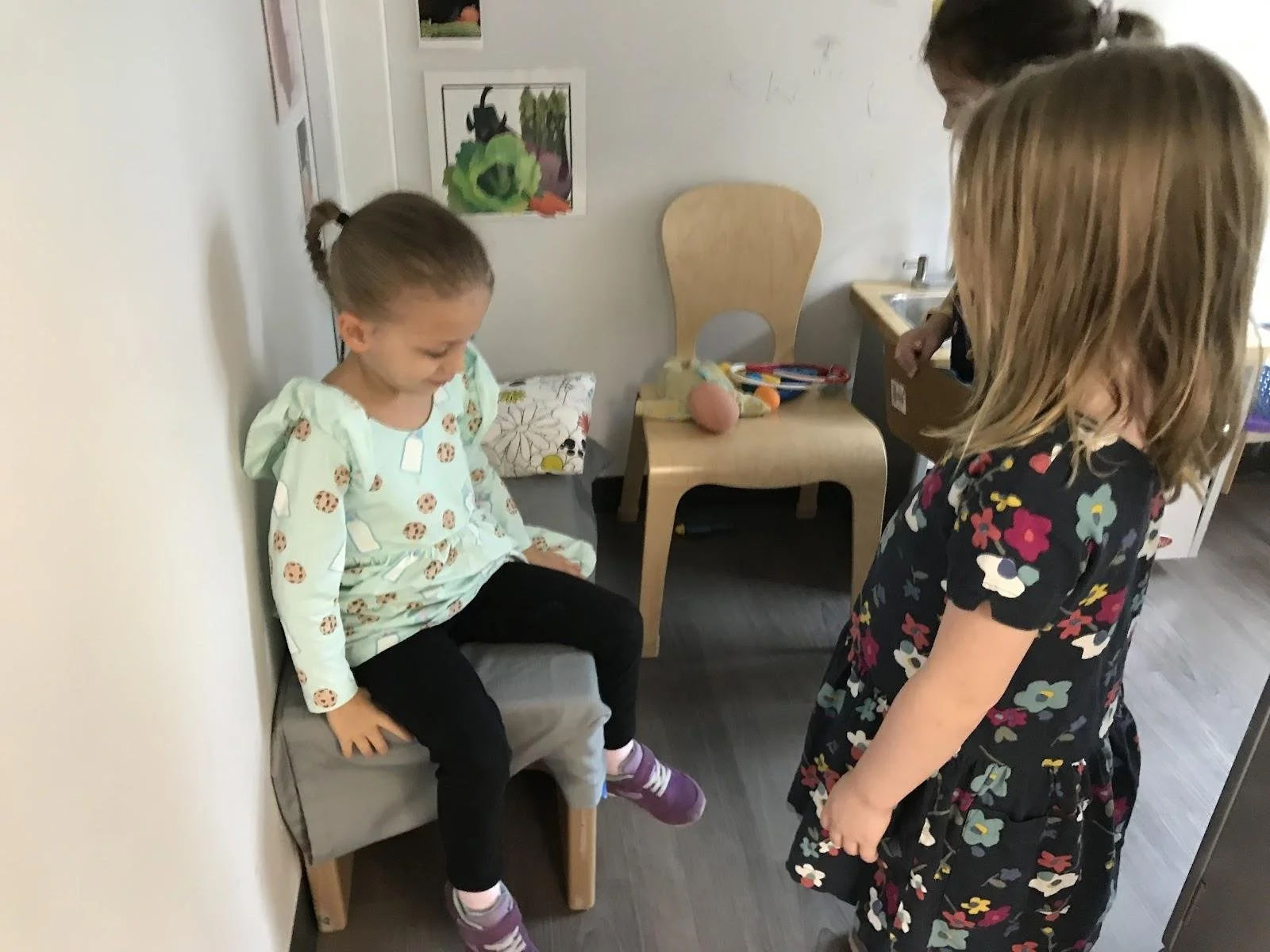
Here come some more patients!

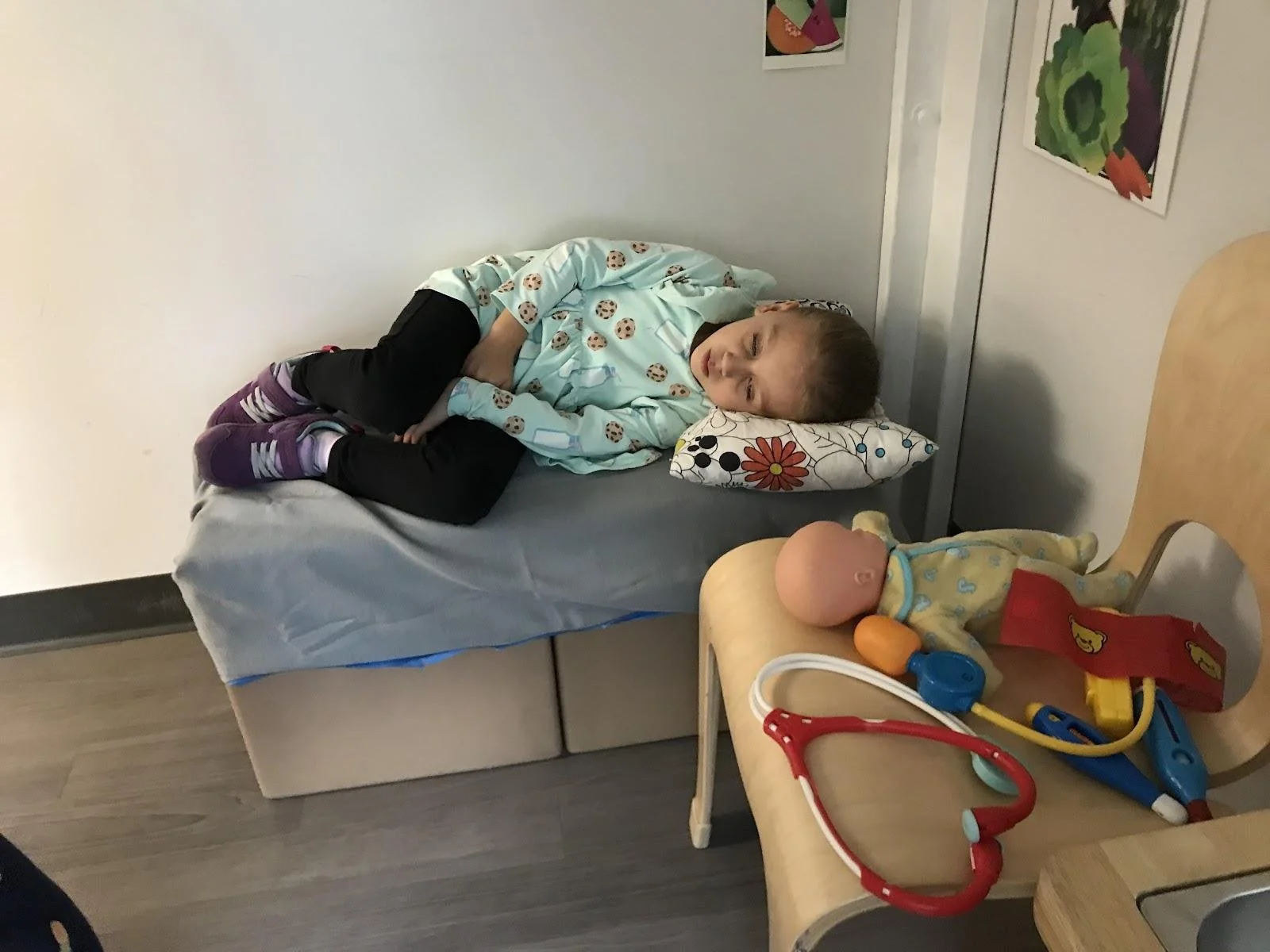
A few doctors and nurses worked together to tend to their patients. Some patients were told they would need to spend the night in order to get some rest and feel better:


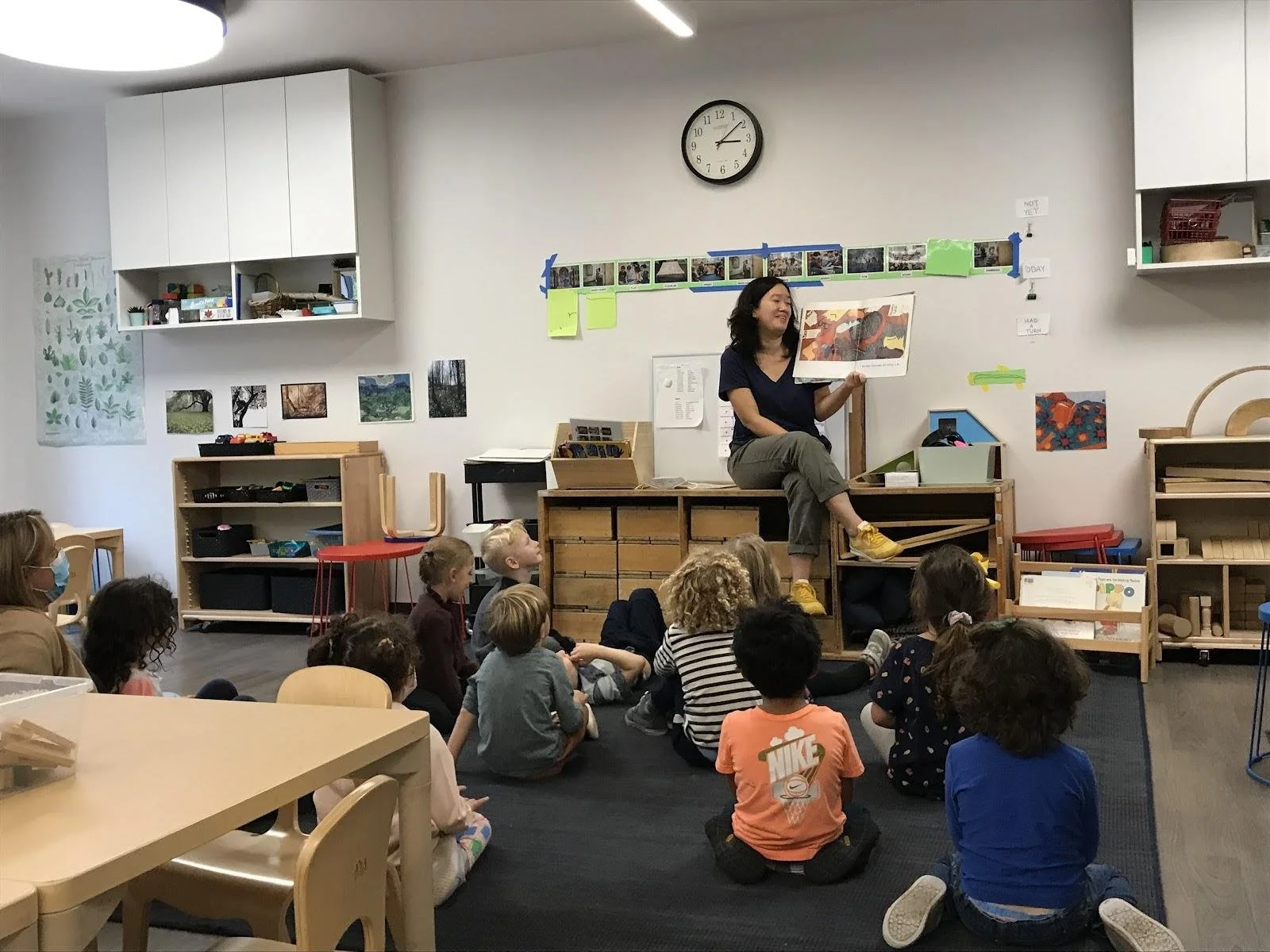
At group time that day, a teacher then demonstrated how children can access tools from their various baskets to treat their patients. During that process, we also discussed what we could call each object, Oh, yes. That’s right. Doctors have a tool for checking on our heartbeats and breathing. Does anyone know what this is called? Some children replied, A stethoscope!

Altogether, we pretended to treat a sick Hippo. A teacher did the jobs while children chimed in with their ideas. Oh, poor Hippo. Your ear is hurting? A child then shared, Aw, Hippo will need medicine. It has uh infection! We also talked through what can help us when feeling unsure or scared at the doctor’s office: hand holding, treats, and having good thoughts. We held onto Hippo as it got a shot and then gave it a cuddle.

To continue our discussion about going to the doctor, at storytime we read a book called Sally Goes to the Vet by Stephen Huneck.


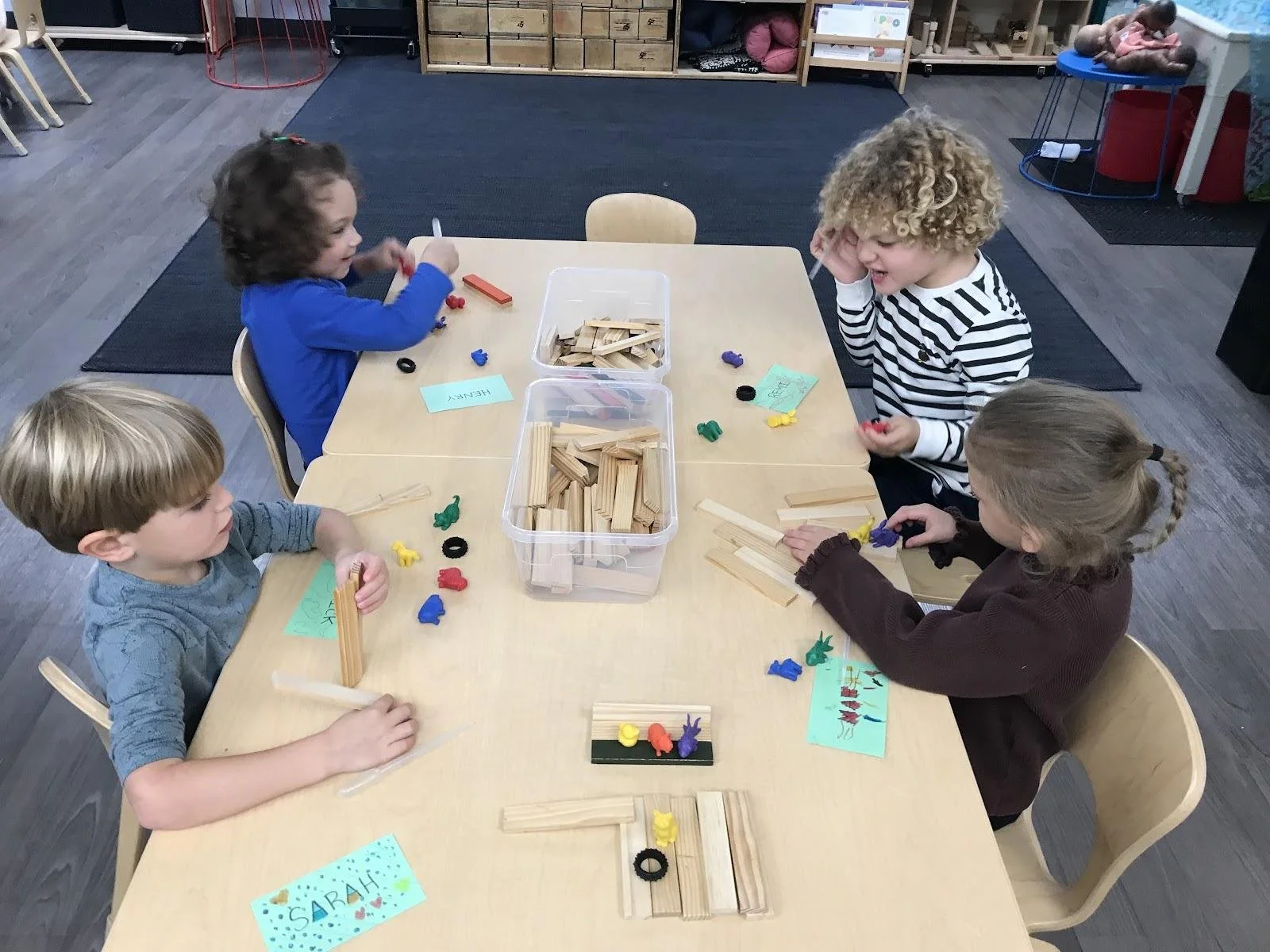
Then, at tabletime, we built beds and tended to our sick animals:

We continued playing and treating patients throughout the week!

Have you been hearing about our doctor’s office? We hope this peek into the playhouse has helped you see how the doctor play has been going here at school.

If you have any questions about any further treatments, we will have the doctors give you a call soon!

Stay well,

Anita, Chris, Sarah

Sharing, Taking Turns, and Protection of Work

We’ve heard of kids who have said, I know about sharing. That’s when my mom takes my toy and gives it to my brother! In our desire to encourage young children to share, sometimes we use adult ideas of fairness and niceties that don’t make sense or feel very good to children. If another child paints on your child’s painting, you might be inclined to say, It’s ok! We can all share. But, think about how you would feel if your work was interrupted by another person who changed what you were doing. You would rightly be offended, and your child has the same right to protect their work from others’ interruptions.


Intentions are good. We want our children to be able to share materials, play together, and consider others’ feelings as they work cooperatively. We share those goals, too, but at Park West we take a different approach. We use a system we like to call Protection of Work. We try to protect children’s work while instituting a system for turn-taking that ultimately helps kids manage this on their own.


So, what to do when your child is the one so badly wanting that turn? First, language can help a lot. We encourage kids to ask for a turn. In the beginning, this means teachers are saying all the words, but this modeling gives kids an idea of what they can say: Can I have a turn? Are you done? Now the first child can decide if they are finished with the toy or not. If a child grabs a toy from another child, teachers may say: Look! She is using that truck right now. She was holding it. Let's ask her to tell us when she is done. Then we will go ahead and talk to the child who is using it. These exchanges enable everyone to see just how this process works. A way to support kids during these kinds of exchanges is to help the asking child find something to do while the first child finishes their turn. We also make sure to follow through when the first child is finished. Do you remember who wanted a turn? Let’s tell her it’s her turn, now. 


Sometimes teachers do need to help move the turns along, especially if the first child has been using a coveted toy for a very long time. We will remind the first child that their classmate is waiting, or help the classmate ask again, and express that it feels like a long time to wait for a turn. Ultimately we want children to start to consider other children’s points of view and get the idea that this system works, whether they are the one desirous of a turn or the person trying to execute their idea before relinquishing the toy to a classmate. 


Sometimes teachers might adjust the approach, depending on the kids involved, the materials, and the particular situation. Everybody might want a turn with a new toy in the classroom, so teachers might help orchestrate shorter turns until the frenzy dies down. At some point, we might use a sign up sheet to help track all the kids who are waiting. At other times, a child may need a little more time to finish their turn, even if it means the child waiting has to wait until the next school day. What’s important to us is that these different approaches all can further the trust that everyone who wants a turn will get a chance and that there are people — parents, teachers, friends — who agree to this same process and will help facilitate it.


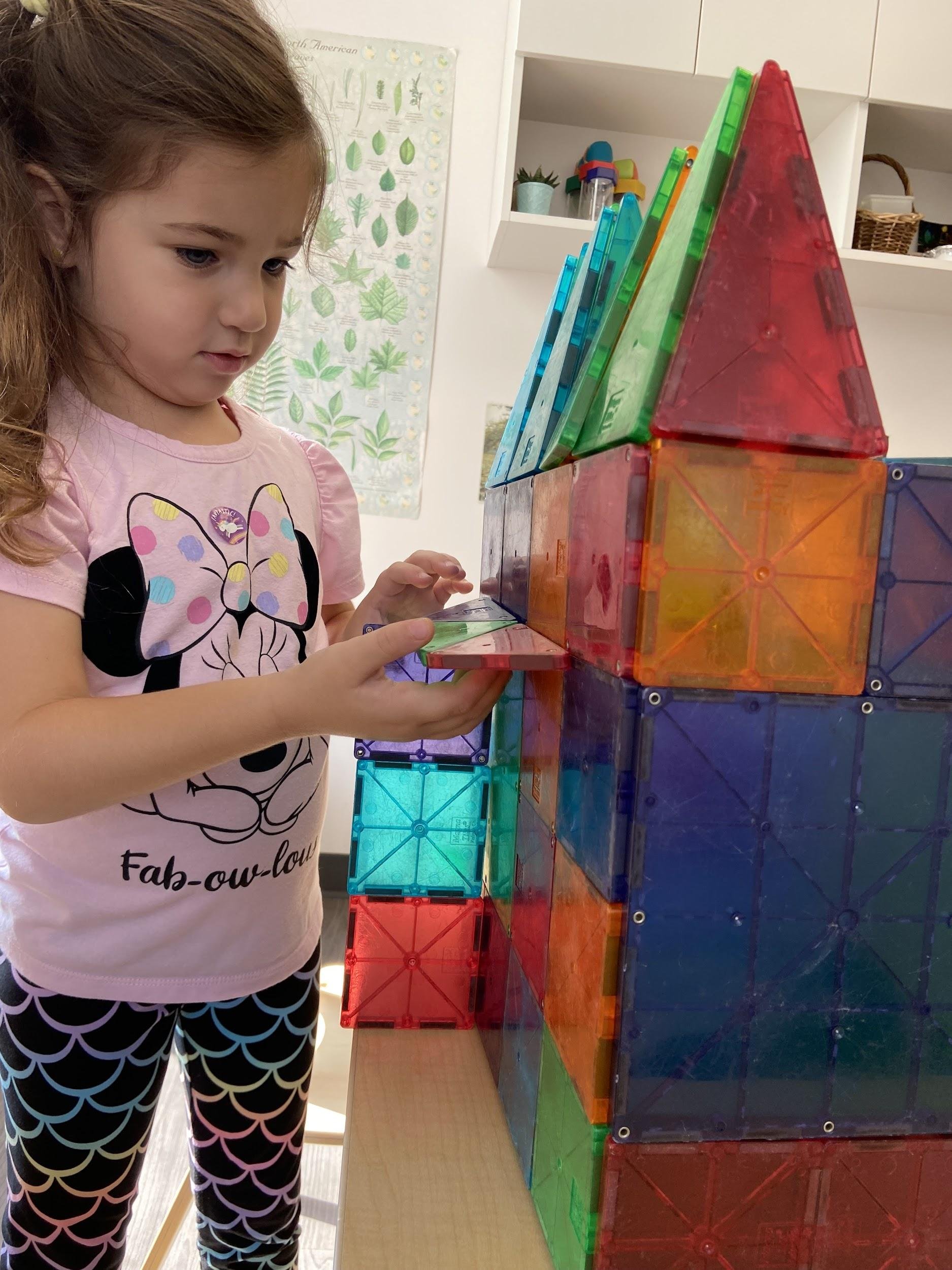
Materials like magna tiles usually have enough pieces for several children to play at the same time, but if one child is using all of the pieces we might point out, “You’re using all of them, and there are none for Alex to use. Which ones could she use?” Sometimes, Alex’s desires are specific so we might ask her, Which ones did you want? Then we’d help Alex ask for those. She may just need two more squares to finish the sides of her house. If the first child really resists, we might have to say something like, Can you give some to Alex, or should I help you? Children who experience this Protection of Work tend to relax when they realize that there is a system in place that works, whether they are the person wanting a turn or the person having the turn. After learning how to ask for turns, take a turn and let somebody know when you’re finished or not, children are freed up to use the materials. Once they know that they can ask for a turn, children begin to use the technique with kids in their families or in other venues. Parents can help siblings implement the strategy, even with toddlers who don’t really understand or have the words yet. Baby is using that right now. Let’s tell him you want a turn, and then wait until he’s done or I see Baby trying to grab that. It looks like he wants a turn. Can you tell him you’re using it? I’ll help him find something else to do, but let’s be sure to give him a turn when you’re finished.


When children get to the point when they are motivated to share materials with another child, it’s because the drive to be together helps them override their desire to have all the turns or keep all the materials to themselves. 


When we help kids ask each other for turns, honor their right to work with materials until they’re finished, and follow through consistently, children feel empowered to manage turn-taking and sharing in a way that is effective, that makes sense, and that feels good to them.


We are often told that children start to bring this language home or to utilize phrases such as Are you done with this? at the park. Have you heard your child say Can I have a turn when you’re done? 


Best,

Anita, Chris, Sarah 

Driven to Play

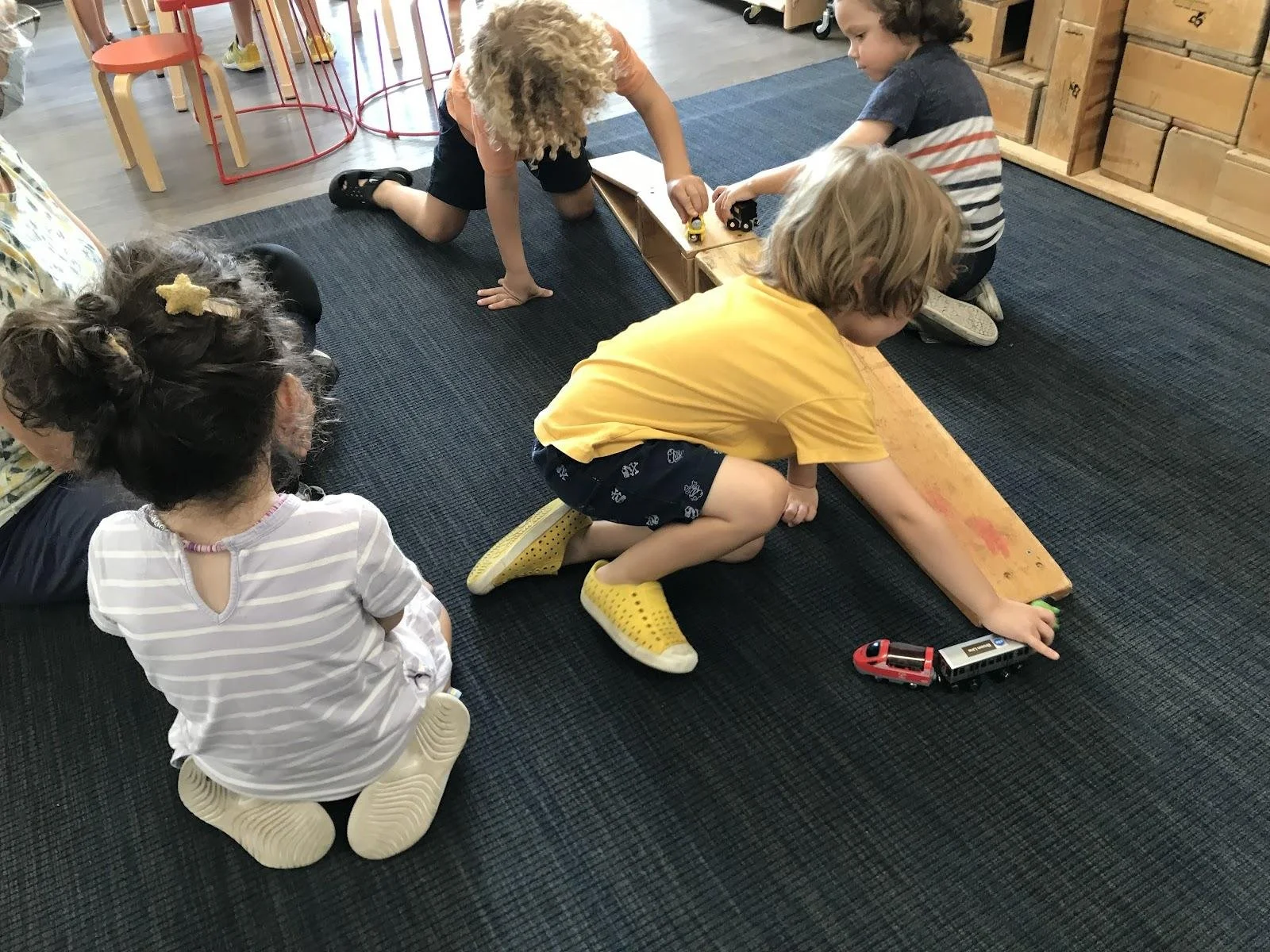
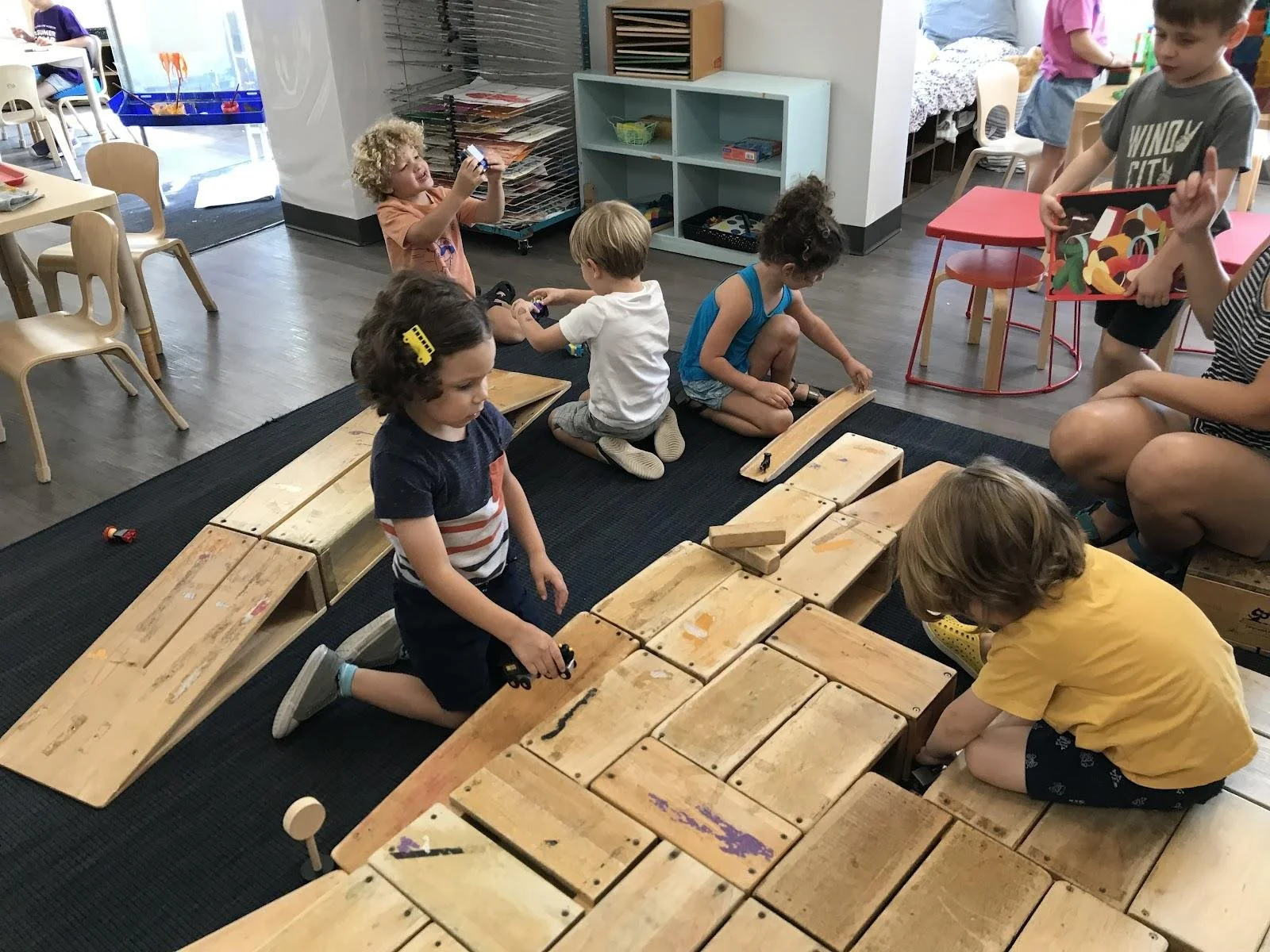
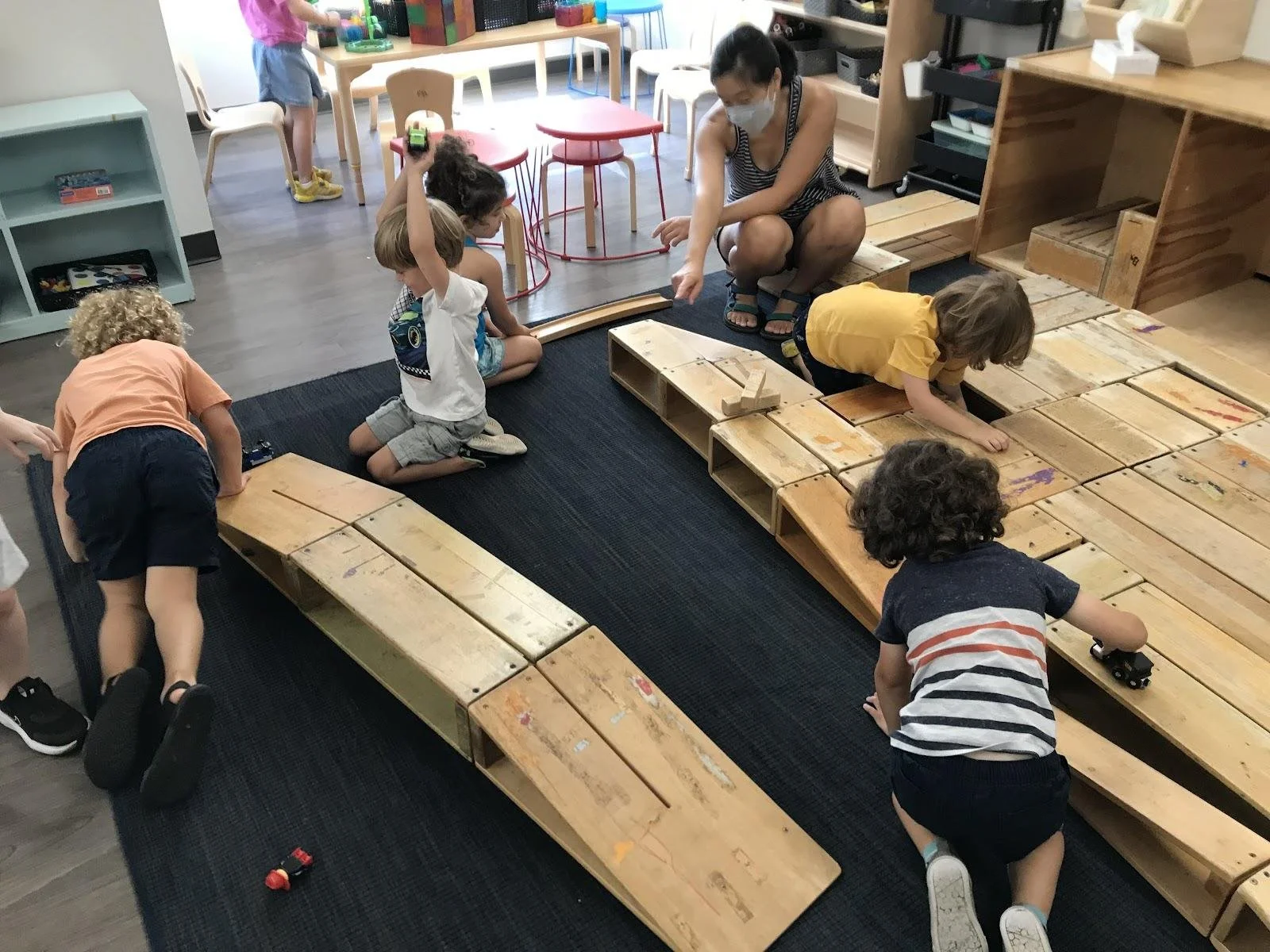
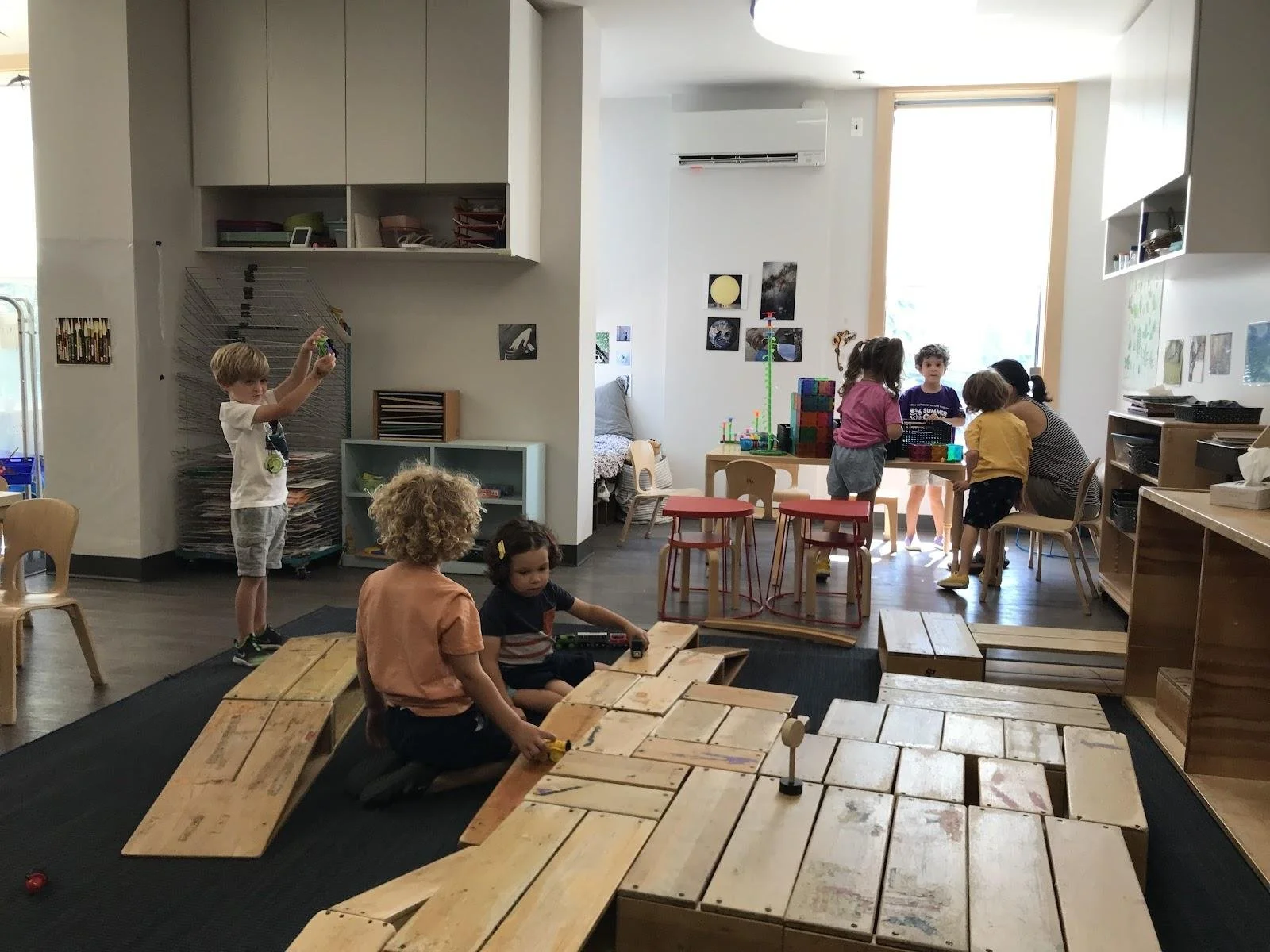
Vehicle play can be engaging to many young kids, who enjoy recreating their own experiences with cars, buses, trains and planes. Some are fascinated with how vehicles work and spend long minutes rolling and watching the wheels spin. Some investigate how the vehicles respond to being driven on different surfaces, or experiment with careening cars down an incline. Many like to enact rescue missions, construction scenes and other scenarios they’ve seen or learned about. So many children love vehicles that we always have some available at school. We have had Flip Cars and Take Apart Cars to play with in the classroom. In the gym we’ve had cars and the yellow track pieces to build into different configurations. Books and puzzles with cars, trucks, tractors and airplanes are always popular. Vehicle play can provide a basis for imaginative play, an impetus for building with blocks, and a way to connect with other children. 

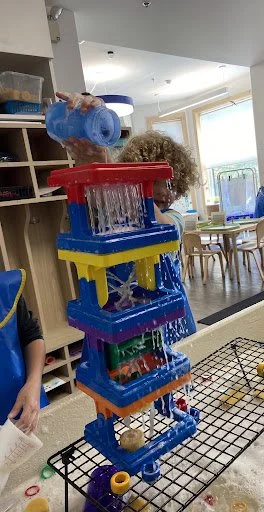
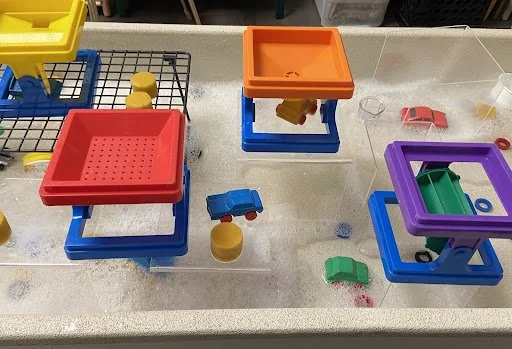
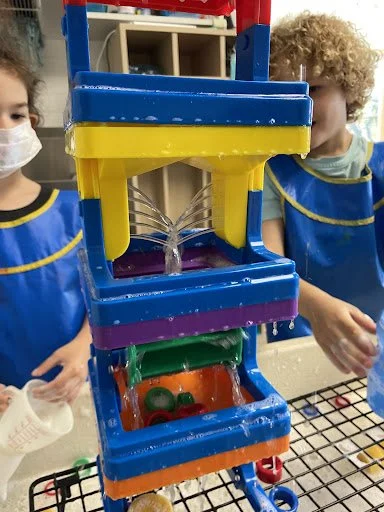
This week we’ve set up a car wash in our water table, with soapy water, sponges, cars and wheels, and various platforms and water wheels to create car wash stations. We’ve seen some creative setups already! Kids like to recreate their experiences of being at the car wash, or create a scenario about cars getting dirty and needing a wash. Vehicles are scrubbed by hand, set under the water wheels, or driven through various water stations.


Kids like songs about vehicles, too, and we’ve been singing The Wheels on the Bus at group time or at our gathering place at the end of gym time. Another song we like to sing is Drive My Car, which you may have heard your child singing at home. Here is a link to a video of Laurie Berkner singing and playing the song. You and your child might like to have a look and listen! 

Drive My Car - Laurie Berkner

PS - We introduced this one recently, with slightly different actions. Hope it doesn’t give you an ear worm!

Face Pages and Playdates

Hi, families.

Thank you for sending in photos of your children for their cubby tags. Kids are surely getting the hang of how to utilize their cubbies at school. These photos will also come in handy for other purposes throughout the school year. Teachers most recently used them to create something we call our “face page.” When introducing the “face page” to children, we say that our “face page” is something that lets us see all of our photos on one paper. We explain that it can be a way for us all to get to know each other when we are at home! The face page can also help us see the letters in all of our names. As kids have been accessing cubby tags to help write their names or the names of peers, the face page is also a literacy tool that they can access at school or home.

As kids are internalizing our schedule, they are also starting to notice others in their school world. And as they start to notice and think about other kids, they may forget who the person with the brown curly hair is, or start to confuse some of the names. Children who spent time with peers at the water table, for example, may say they weren’t with anyone at school because of this same confusion. The “face page” is a fantastic tool to help kids make connections to school while they are at home. 

We are all busy at school, whether it be playing, talking or observing. Sometimes, we are moving in and out of interactions (short and fleeting), or we haven’t really processed what has happened until long after. The face page is a way for kids to literally see each other closely and begin to notice each other’s features without feeling shy or having the other person move their head....or go away... or run past them!

We’ve also included that same photo schedule you received at the beginning of the year, on the back of the face page! If you are talking through your child’s day, it could be helpful to look at the schedule/face page and ask specific questions, “So, who was sitting with you at snack today? Did they have brown or blonde hair? Was it this person?!” “Who else was jumping in the gym. Did you jump with anyone?”

Where is your class “face page”? Maybe your child likes to look at it in bed before going to sleep, maybe it’s in a stack of paperwork on the kitchen counter! Consider hanging it on the fridge or in a central location where your child can notice and reference it. For parents who want to know more about their child’s day at school, these visual references can be a great way to get the conversation going!

Soon, conference season begins! We look forward to connecting and would  like to thank you in advance for scheduling time to meet with us. We are excited to hear if your child is chatting about school at home, and to share our stories and thoughts with you as well!

Best,

A, C, S

A Peek Into Playtime

Hi, all! Come take a peek into our playtime!

We’ve been quite busy building, painting, scooping, pouring, sorting, hiding and seeking!

Sand table

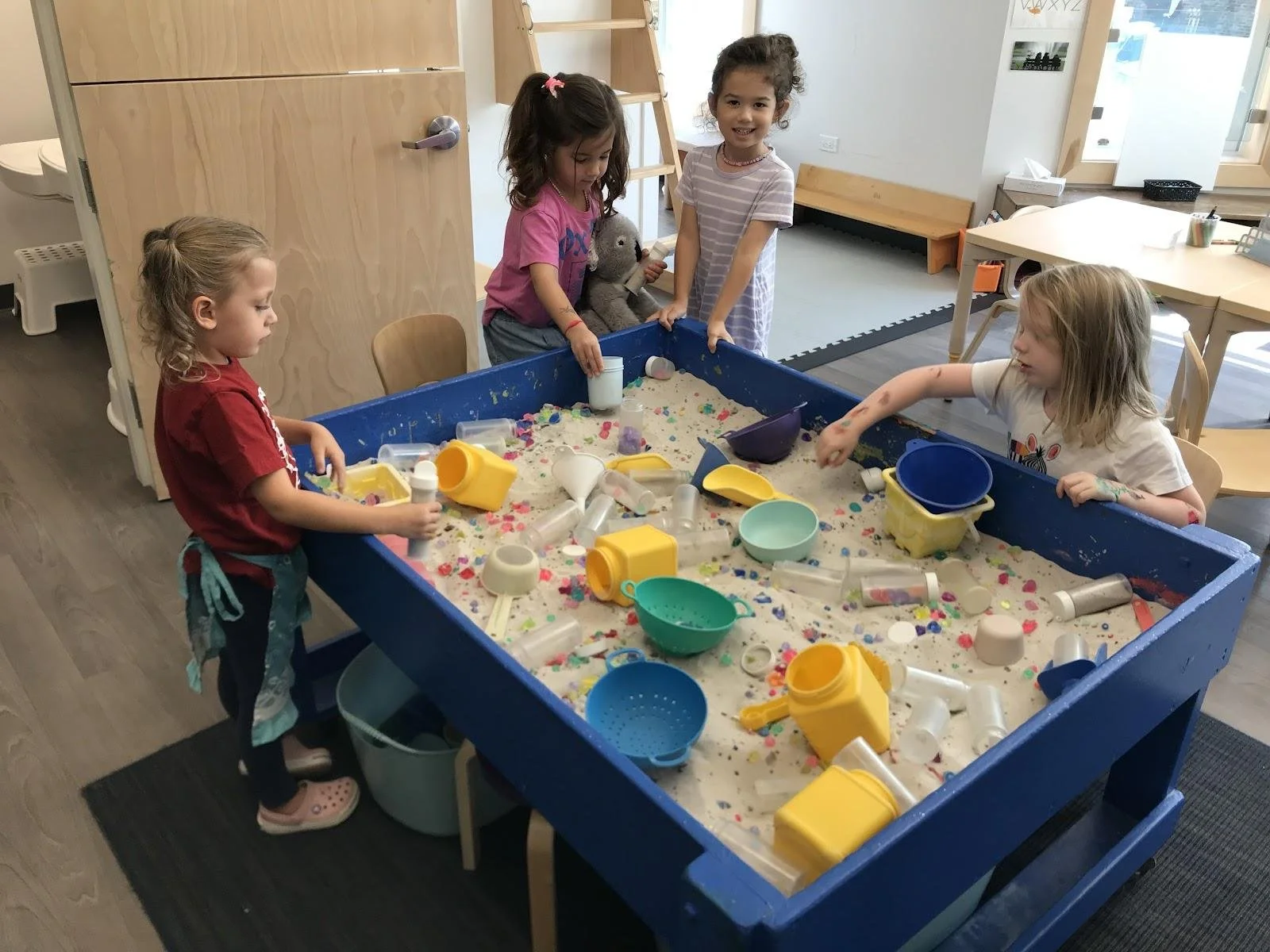
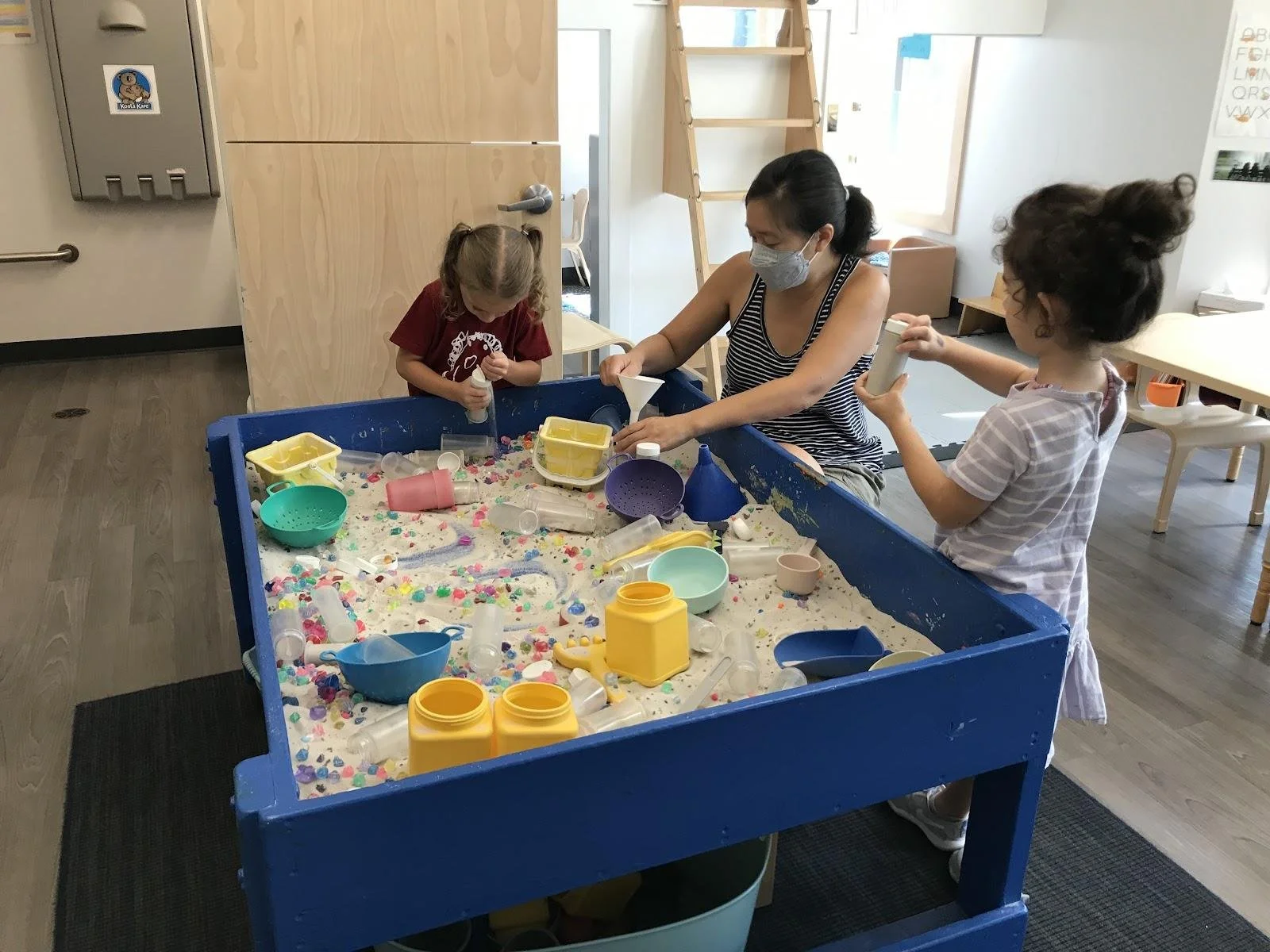
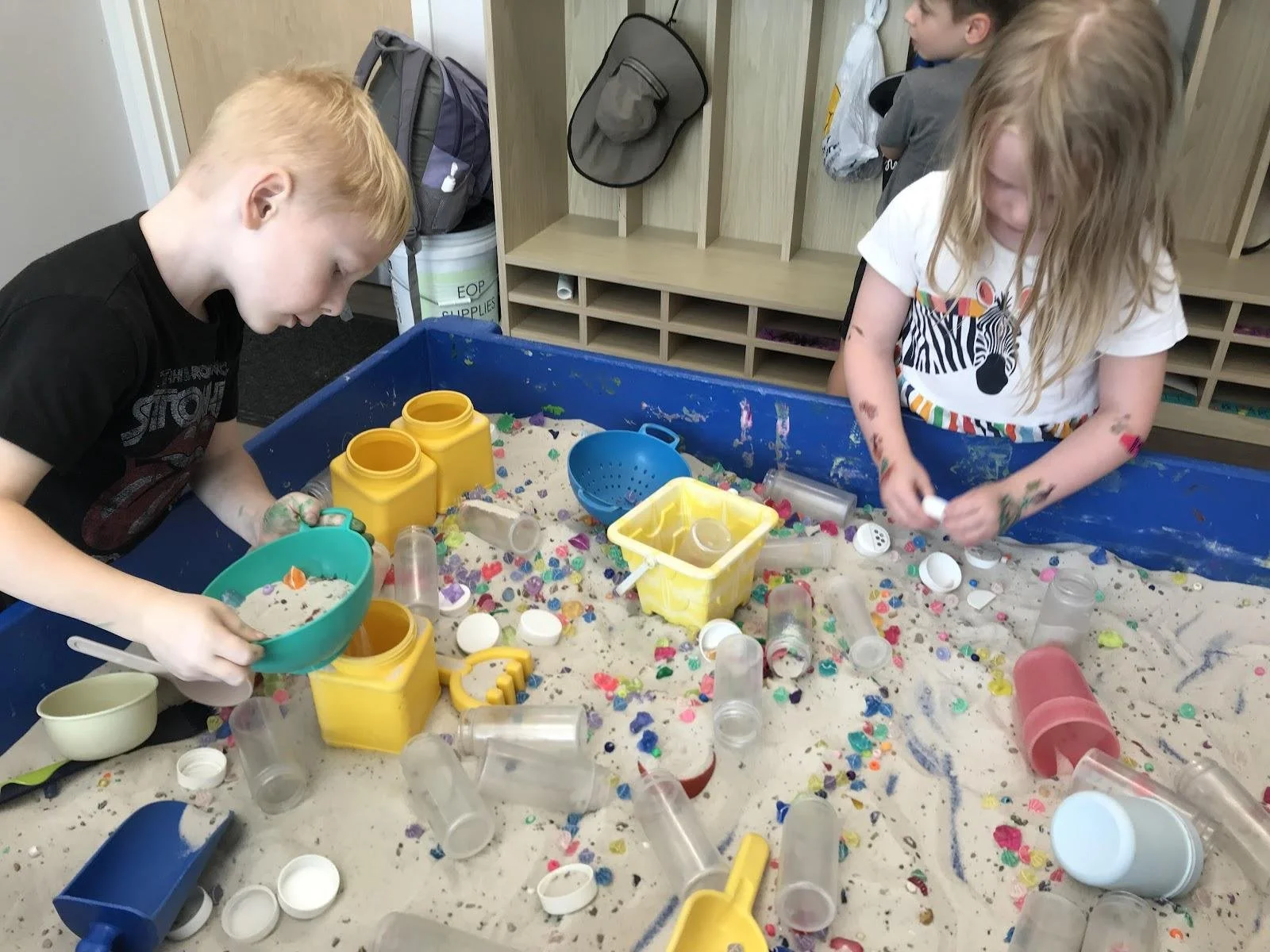
This week, we took out the turtles and added jewels, beads, and clear containers in addition to our usual sand toy collection (shovels, bowls, sifters, colanders and things found in our bins underneath our sand table). Kids have been sorting by color to make some “treasured” collections they can see in the clear containers, or hiding some jewels to seek, or… loading a bunch of sand and jewels all into one big container, and dumping it all out! Some kids have been using the colanders to sift and watch as the sand pours out and reveals the jewels that were once in that sand. Someone in JK was using the newly added clear containers to concoct baby powder and pour it out through the lids with holes. So many ideas stemming from the same materials!


Water table

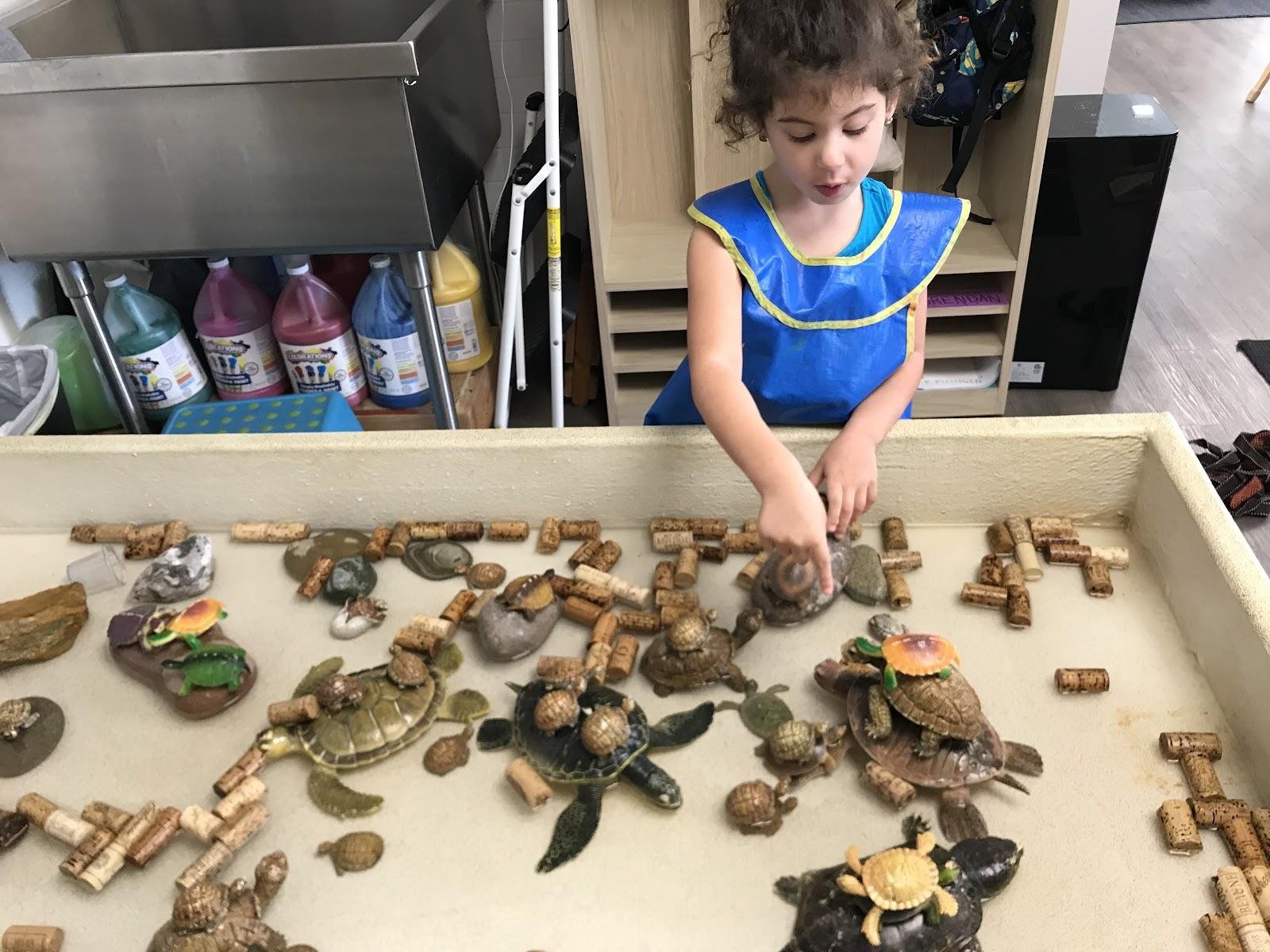
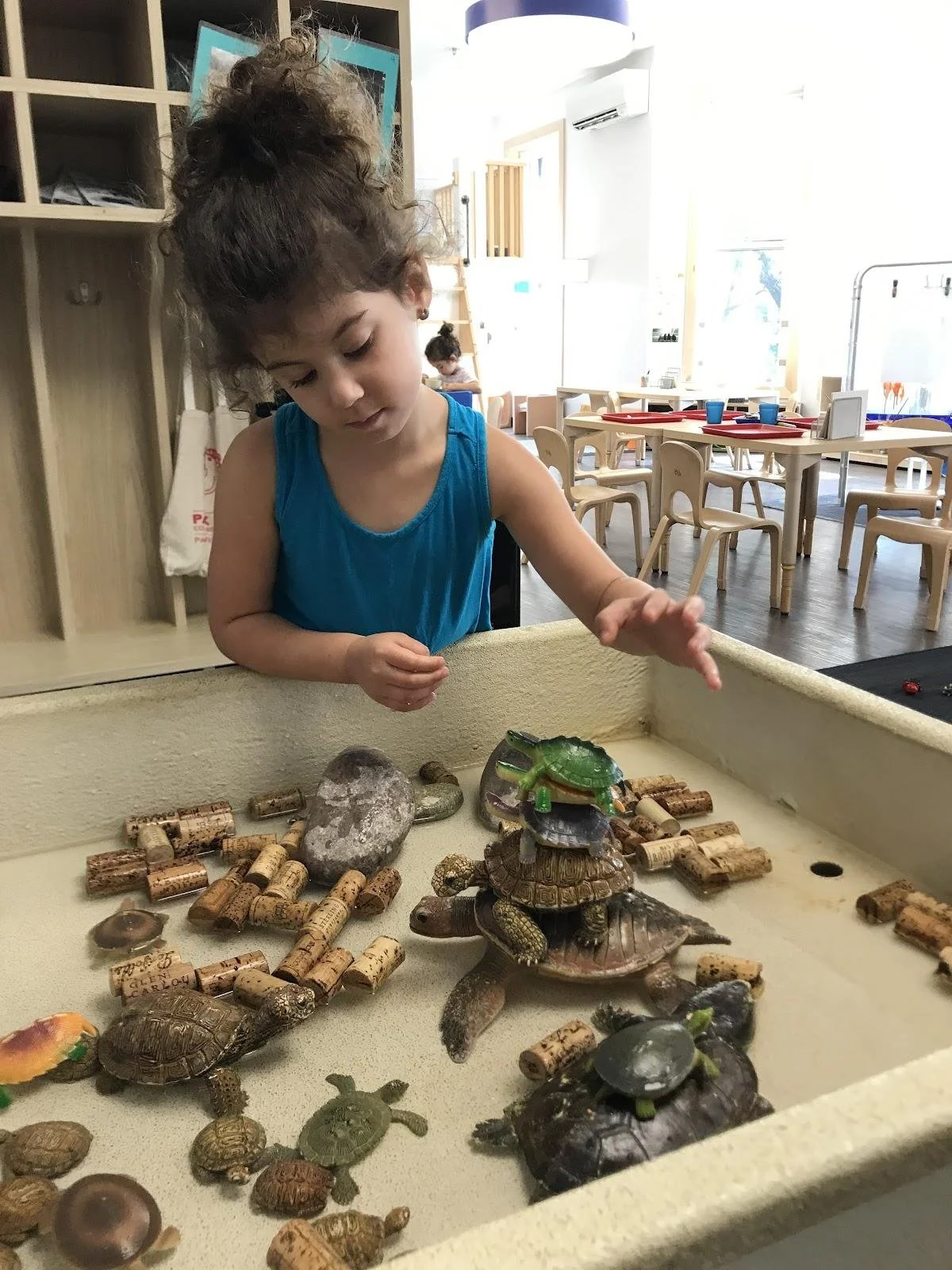
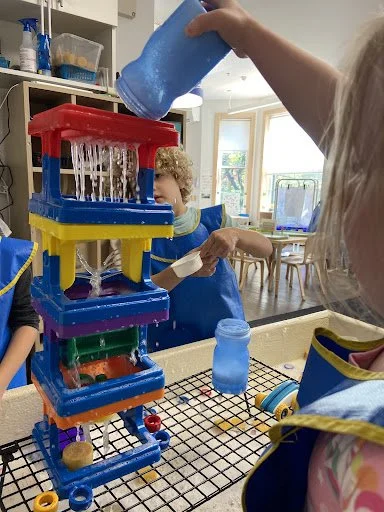
“Hey! These were in the sand! Where’s the one hiding its head in the shell? I remember it.” Yes! Kids noticed. We did move the turtles that were in the sand table last week into the water table this week. We do this for a number of reasons. First, some materials seem really interesting or well-loved by kids, and so we’d like to give kids some more time with them. We may bring them back at other points in the year, keep them in the same area for more days, or we may move them to another area of the classroom. Here, we try to invite other kinds of play with the same toys. What will the turtles want to do now that they are in water? We also want to help kids extend their play ideas. Kids may recall any imaginary play ideas they had for the turtles in the sand and carry that over to their water play. They may also observe some similarities or differences and want to continue any experimentation that they were once trying out in the sand. Some kids were burying the turtles in the sand. Is that possible in water? What would help them hide this time? Someone noticed our hollow turtles were now “moving!” (floating in the water.) They surely didn’t do that in the sand! Our heavier turtles were not moving. Hmmm, interesting. Some started to notice other things that the turtles could do, like balance and give rides to each other! We wonder if they tried this in the sand, or if it was a new idea! We’ll have to ask. We also added one more thing to use with the turtles: floating corks. Some kids have seemed interested in this sink/float idea, mmm hmm. 


Easel

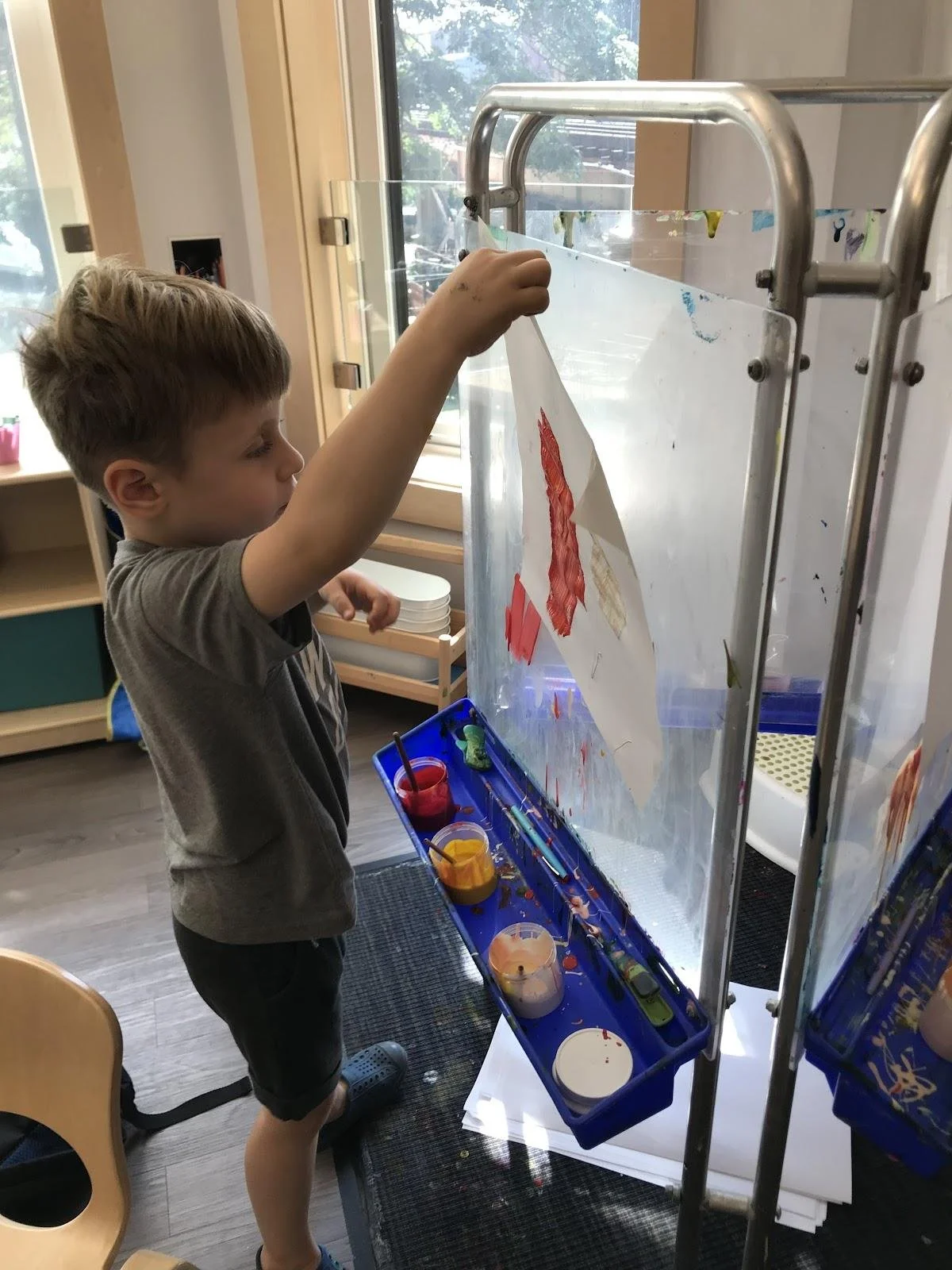
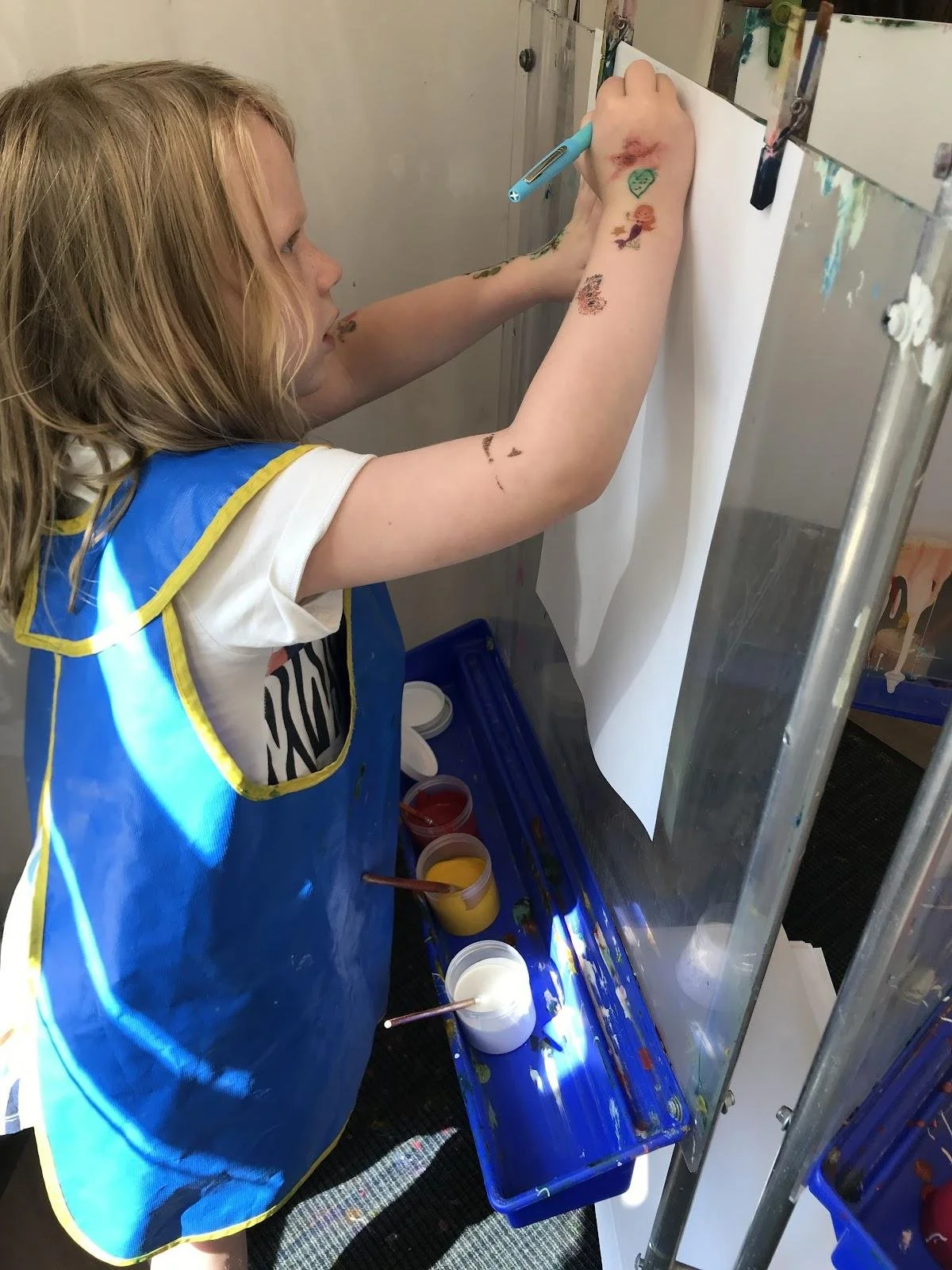
JK kids are managing their painting at the easel pretty independently. Many are choosing and hanging their own paper, writing their names, and taking their papers to the drying rack when finished. This week, we read the story “Mouse Paint.” 3 white mice find red, yellow and blue paint. They do some mixing to make orange, green and purple. We recalled having red, yellow and blue paint at our easel on the first days of school. Since then we’ve had blue, yellow and white. Kids noticed the various shades of green happening. This week, we have red, yellow and white and kids have seen some orange in places on their papers! Can you guess what we may have next week?!

Open-ended art table

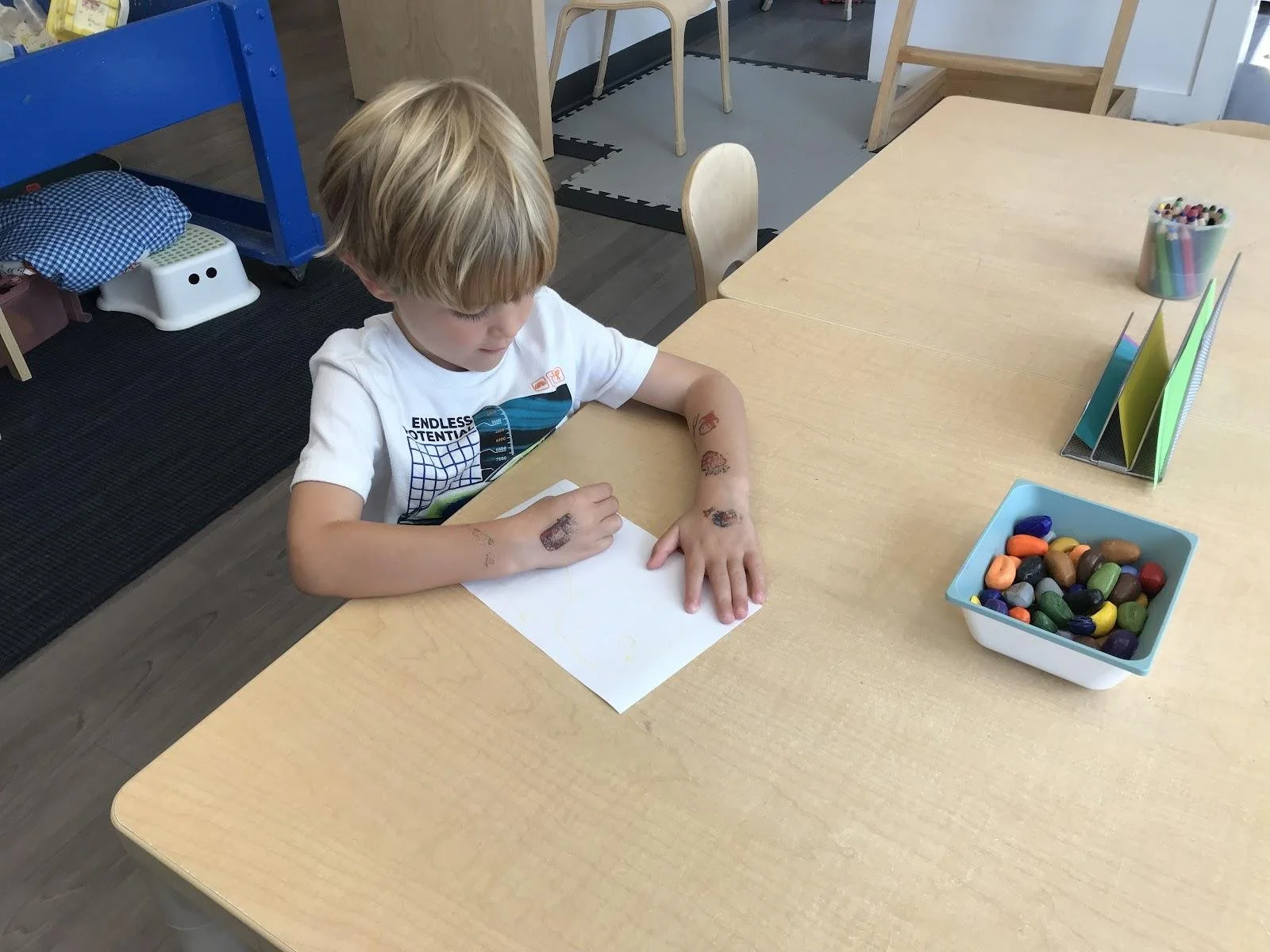
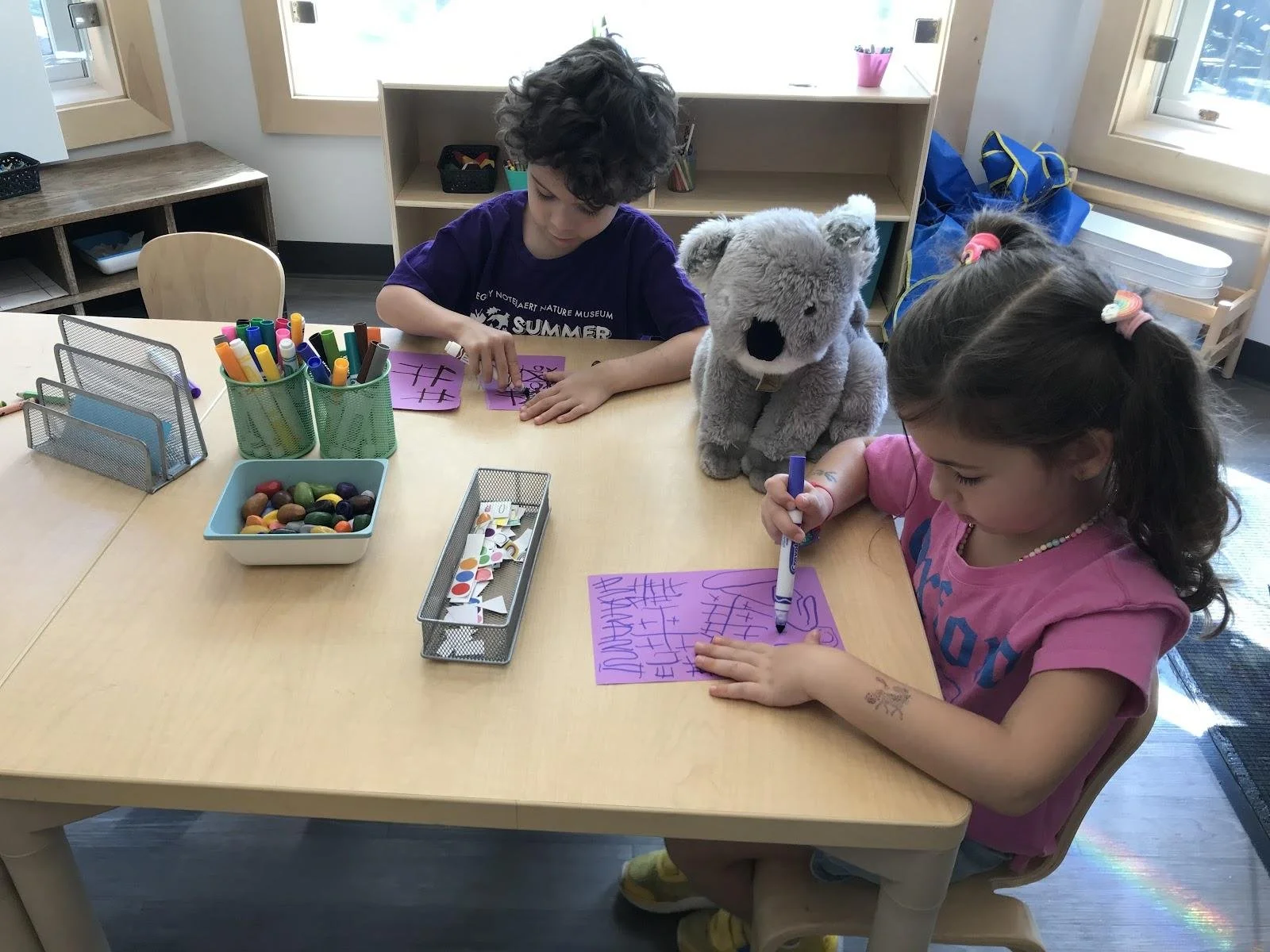
Kids are growing more familiar with accessing supplies from our art shelf at school. They are starting to notice where they can find paper, and how they can go to the shelf to bring over any supplies they are wanting to use. So far, we’ve had various shapes of crayons and markers, stampers, and stickers. Kids have been using these supplies to make playhouse menus (for Pasta Malusta!) pictures for their families, and even tic-tac-toe boards.

Art Project

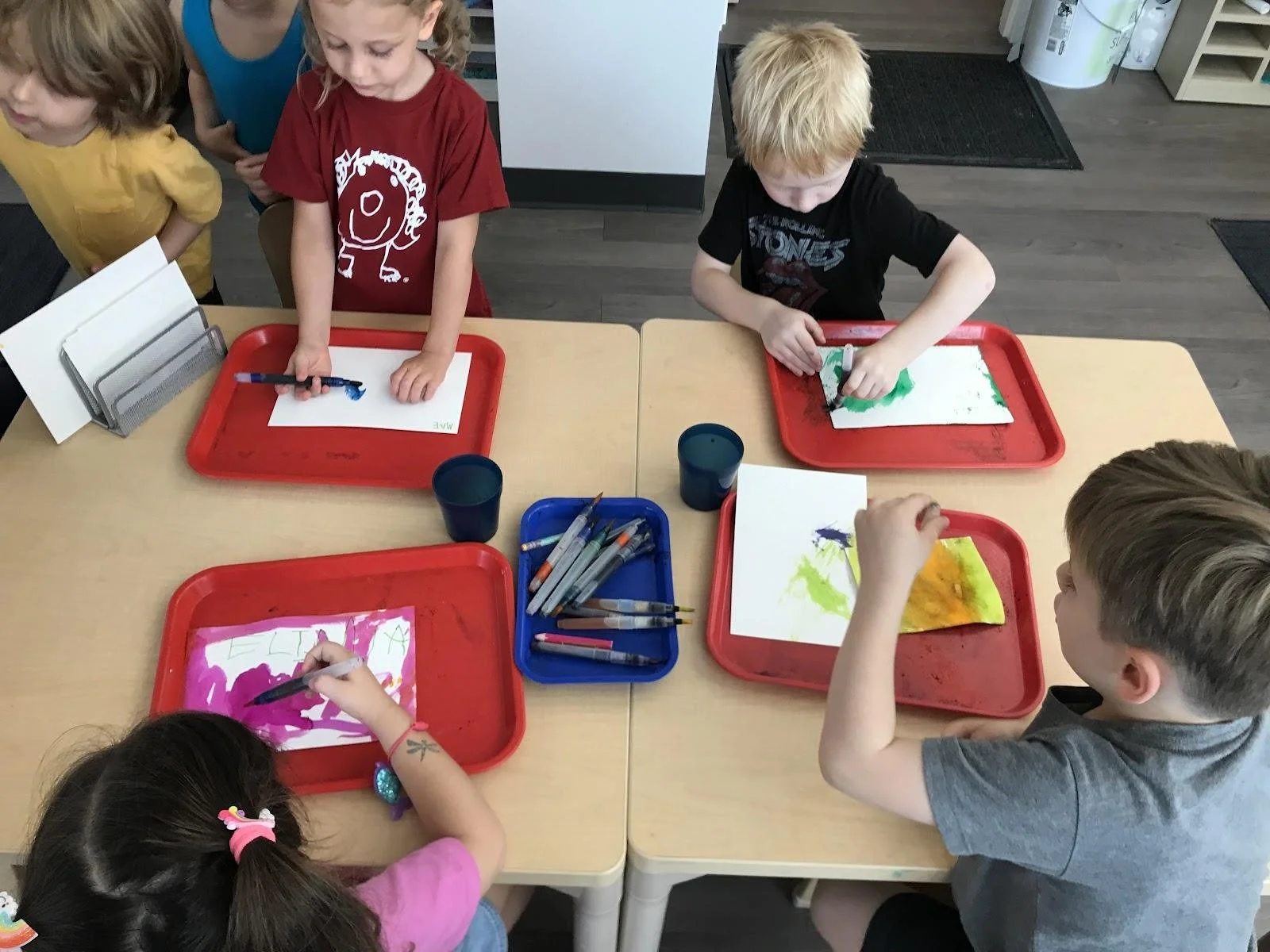
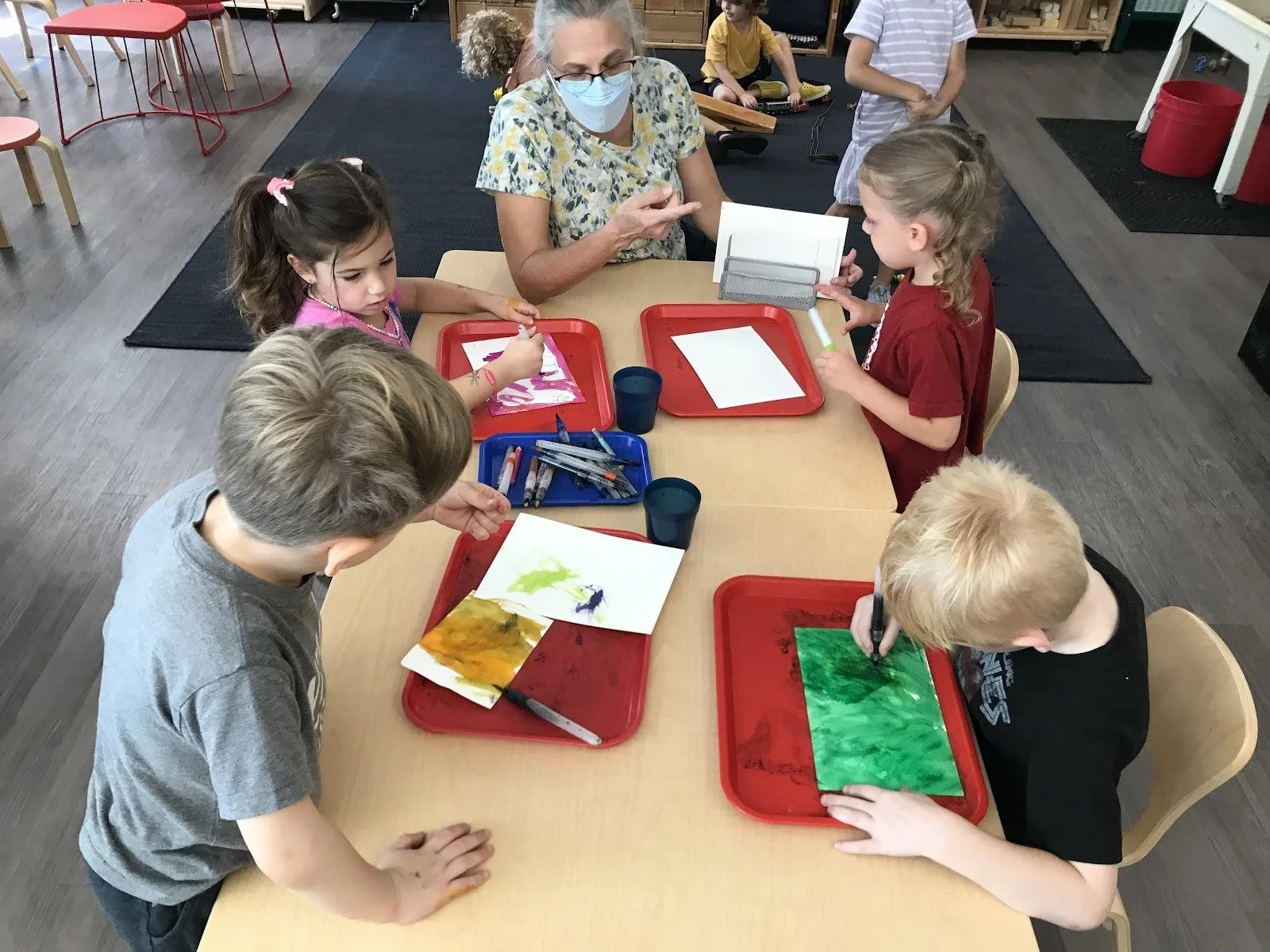
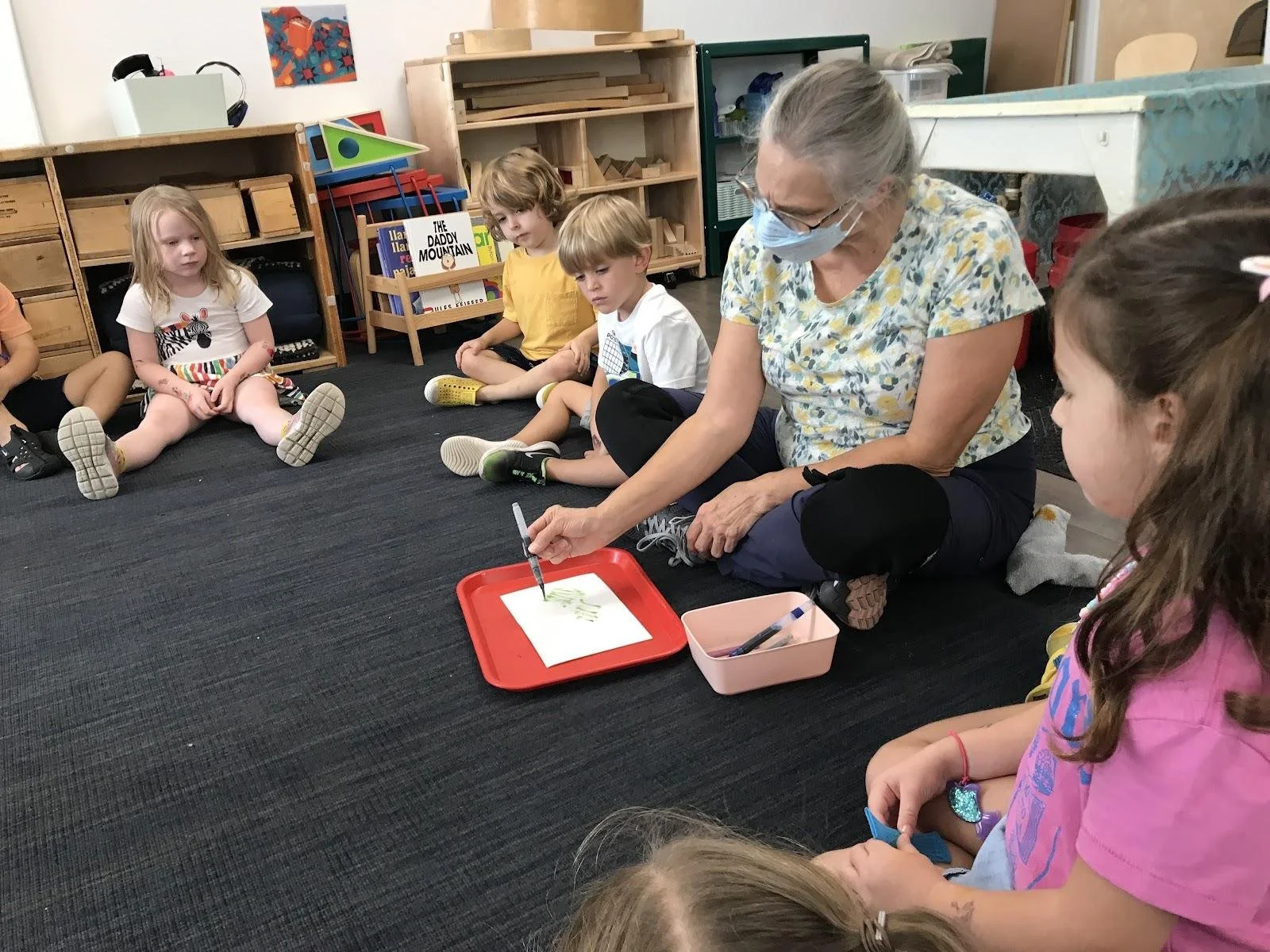
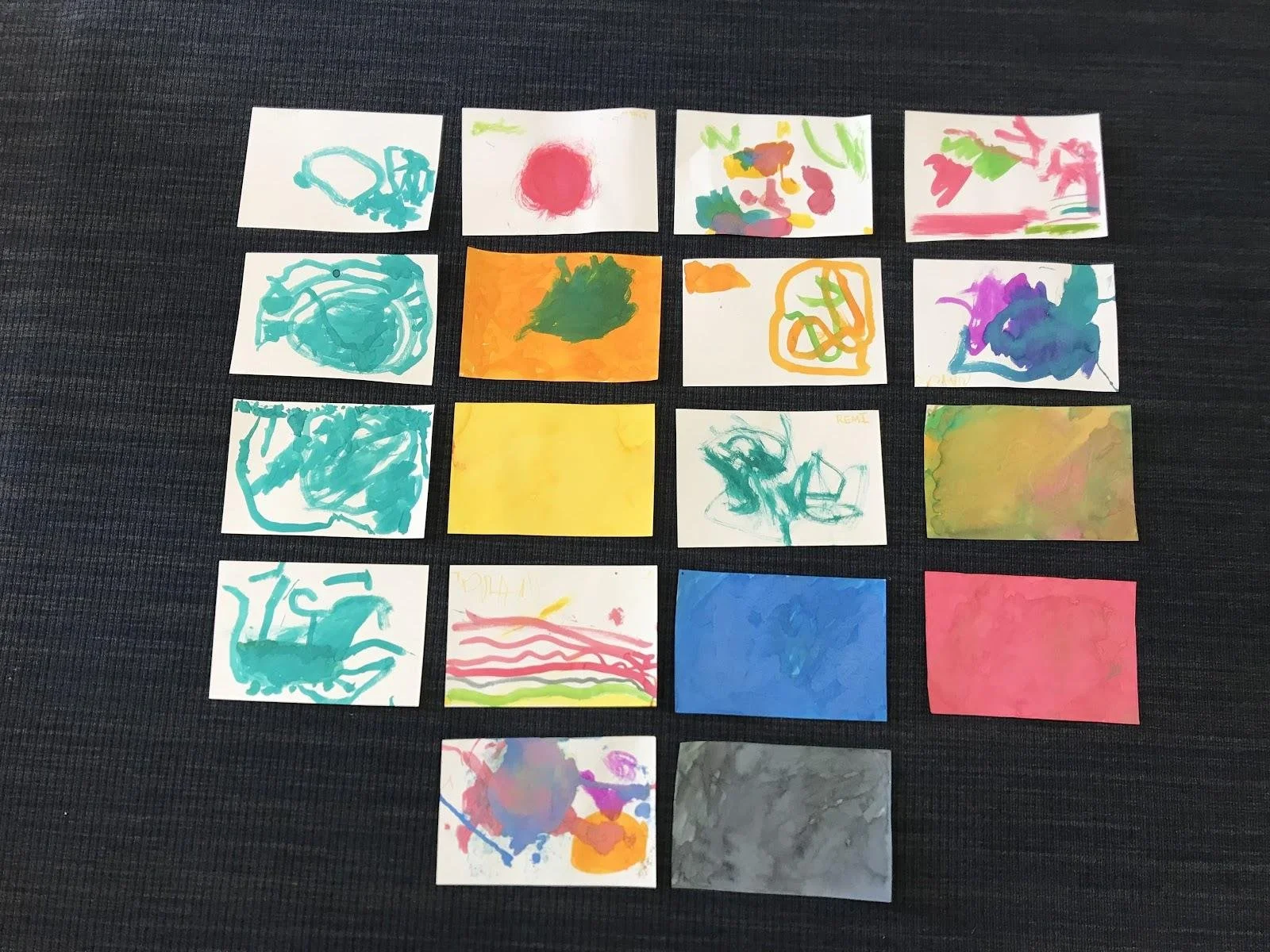
This week, teachers introduced some watercolor brushes (brushes filled with liquid watercolor.)  We demonstrated how to squeeze the brush tube in order to get the bristles wet and let out some of the paint. Then, you can use the brushes to paint on your paper. After some experience, kids are discovering what happens when you squeeze SO hard! The paint puddles on the paper. Some people are pleased. Some people are wanting to wipe it up (good thing we have washcloths nearby.) We are now starting to hear reminders about trying to help us keep the extra paint inside for others to use. Figuring out how much pressure to apply, and when, is good for fine motor skills, and working on self-control! We know it takes lots and lots of practice.


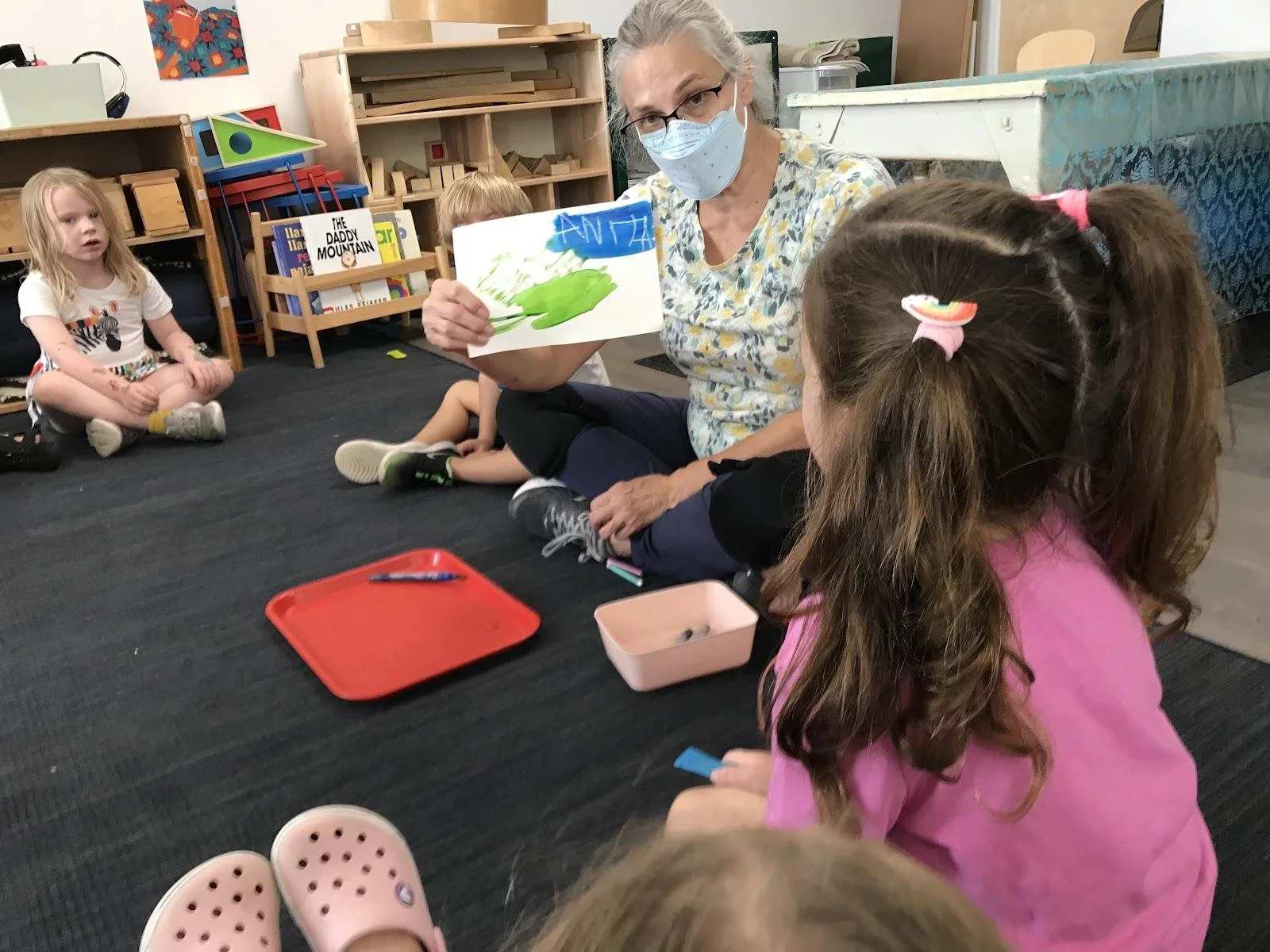
Anita helped show us how to squeeze and what happens when you use crayons on your paper first. If you’re interested, you can ask your child at home!

Here’s our work so far:

Building

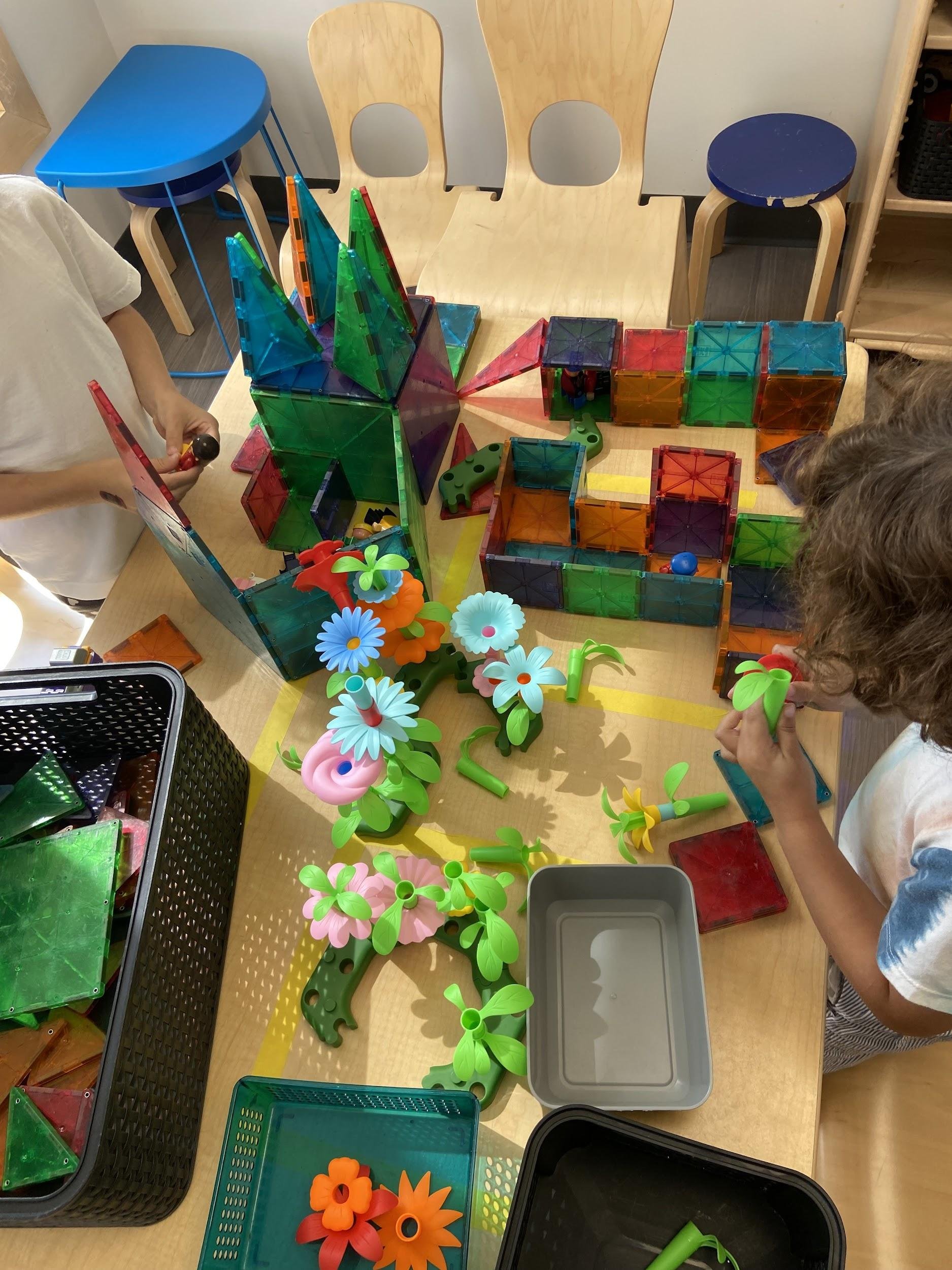
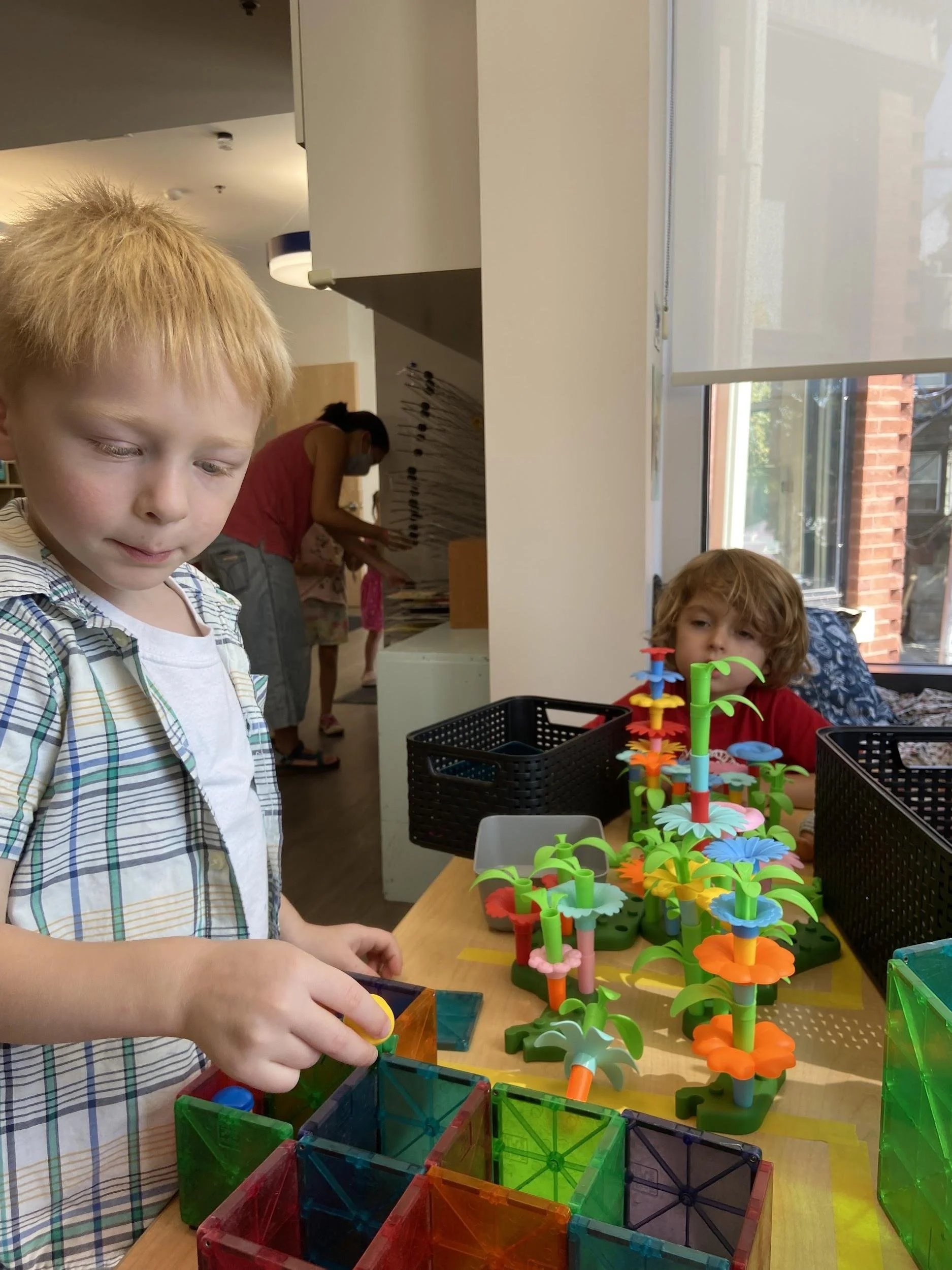
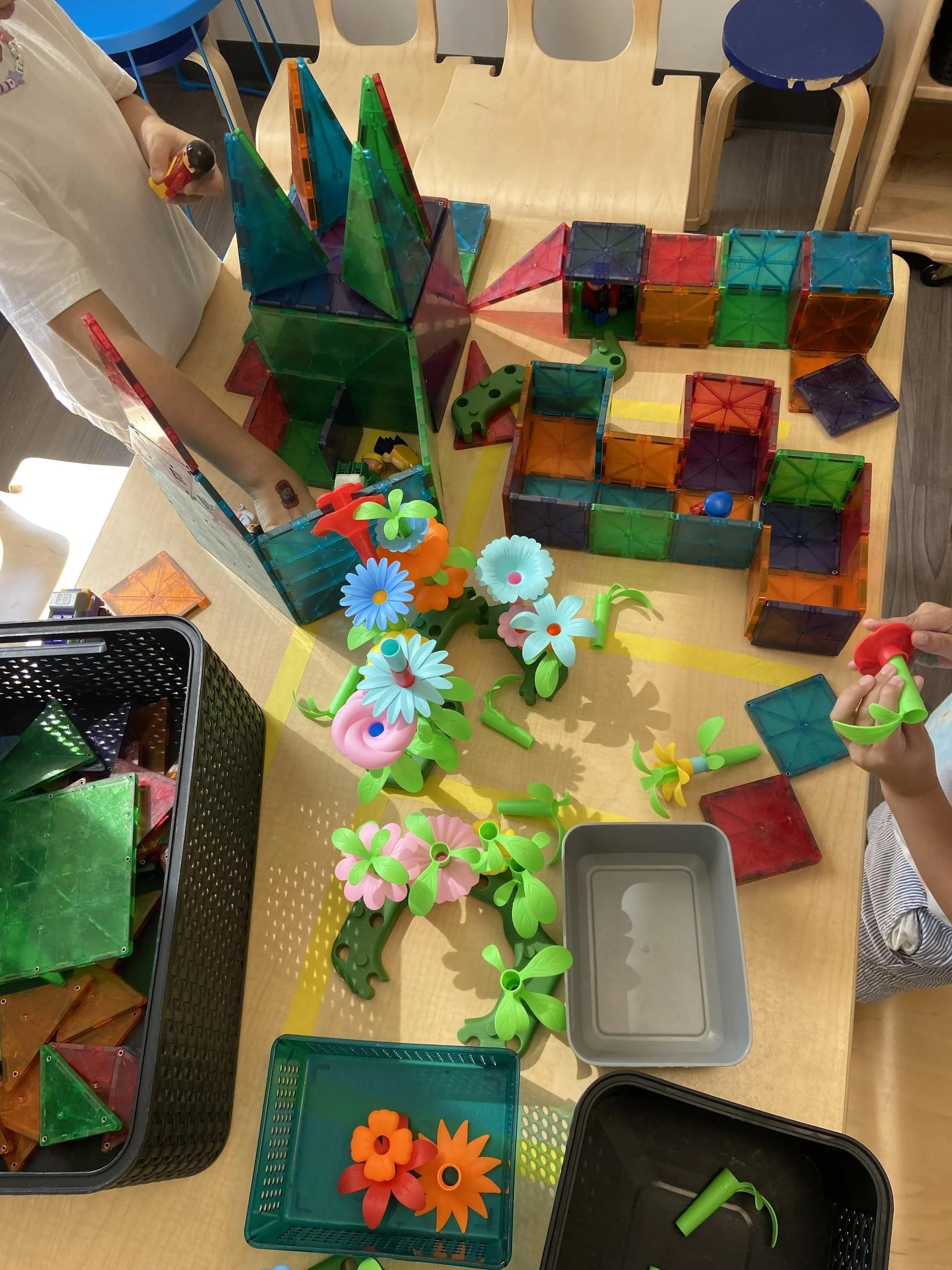
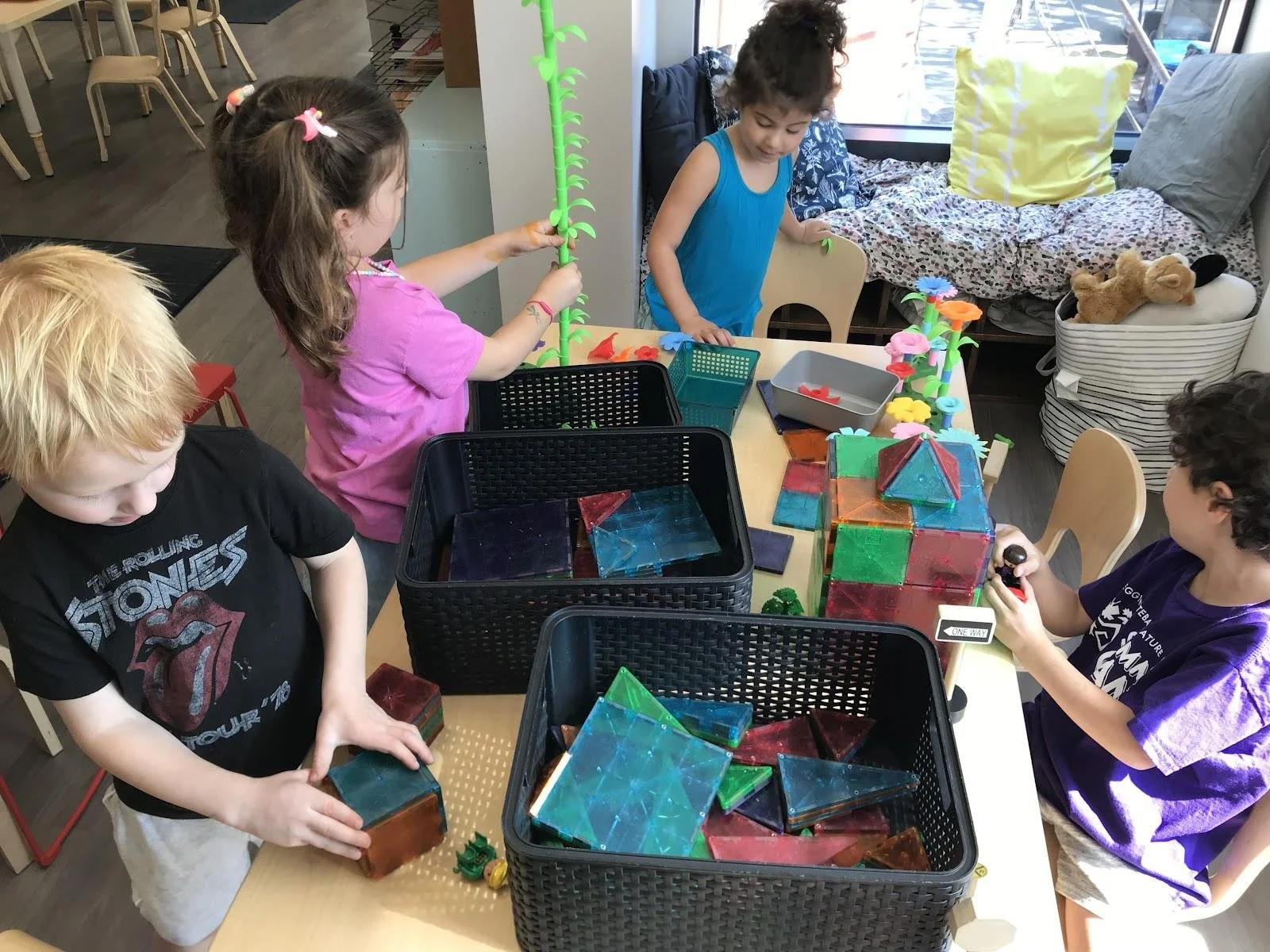
We’ve noticed lots of houses (for kitties, puppies and people) being built with our magnatiles. So, we added some garden supplies.


This interesting track was initiated by someone’s train. It became more elaborate as the day went on:

Playtime in the gym

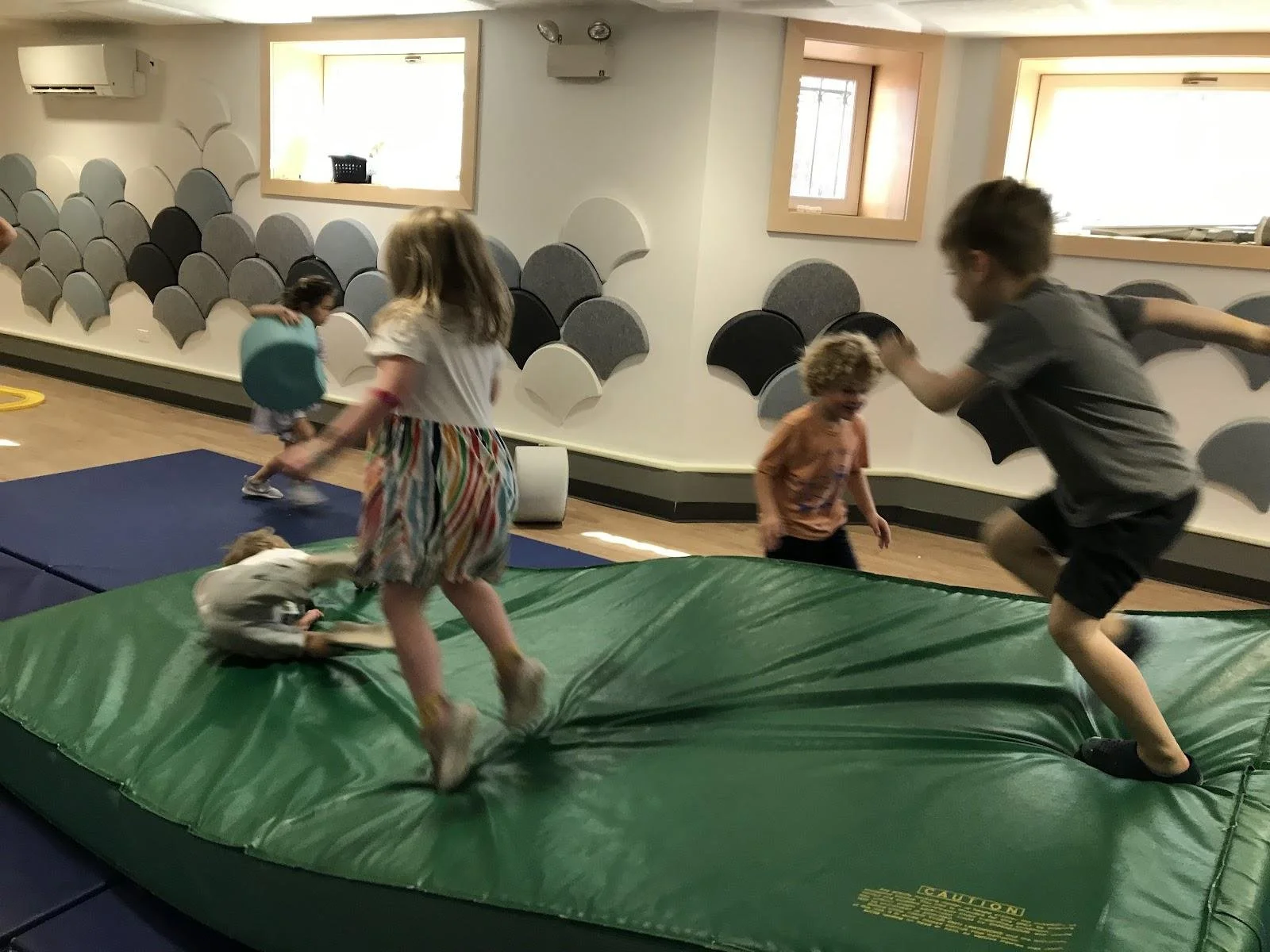
Our mats are set up in a new sliding arrangement. Good for bunny bounces and tumbles.


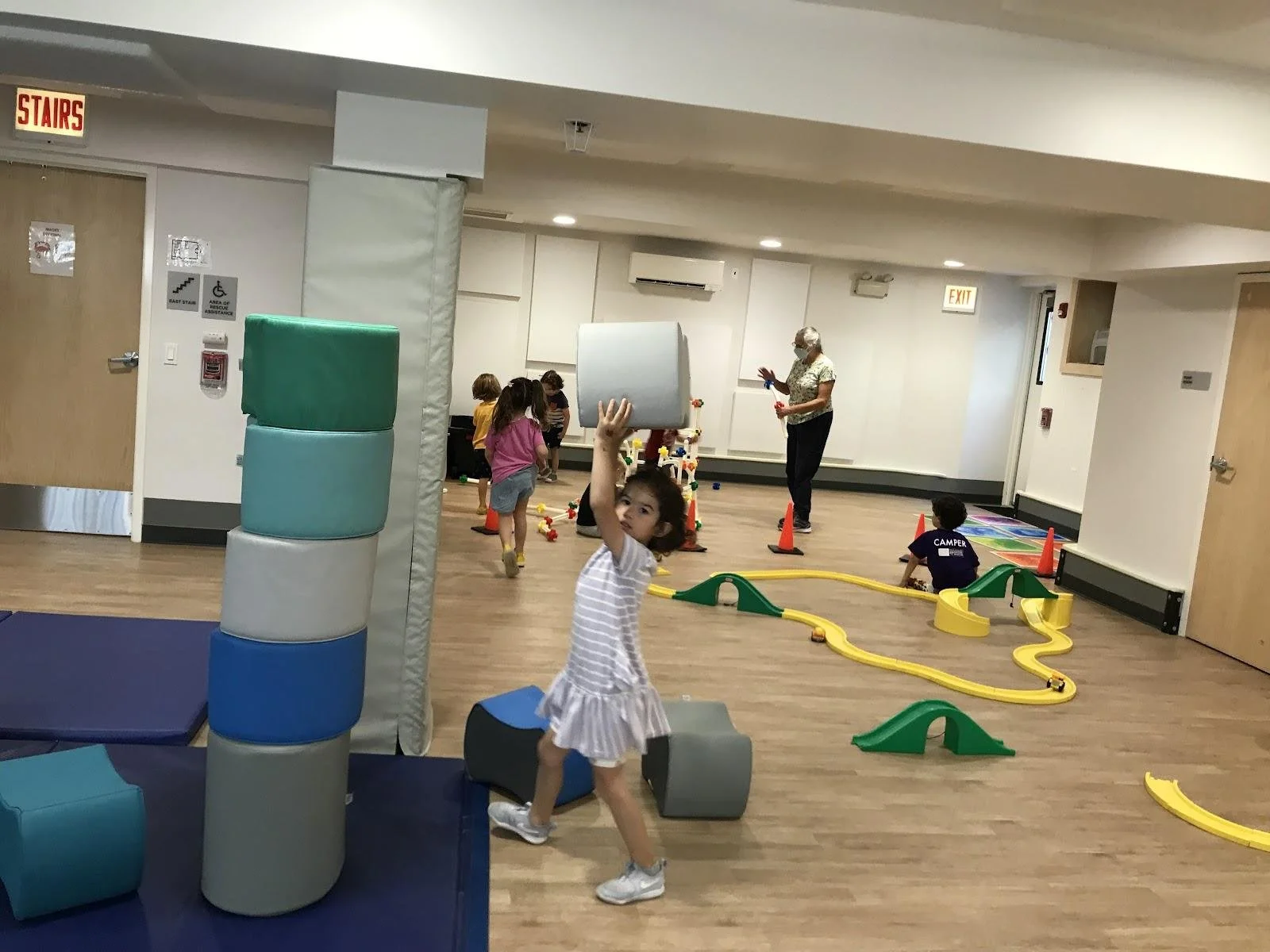
Kids have enjoyed turns of stacking up our soft cushions and knocking them down. Some want to do this independently (with getting lifted up to stack the final pieces,) and some want help to build and knock it down!

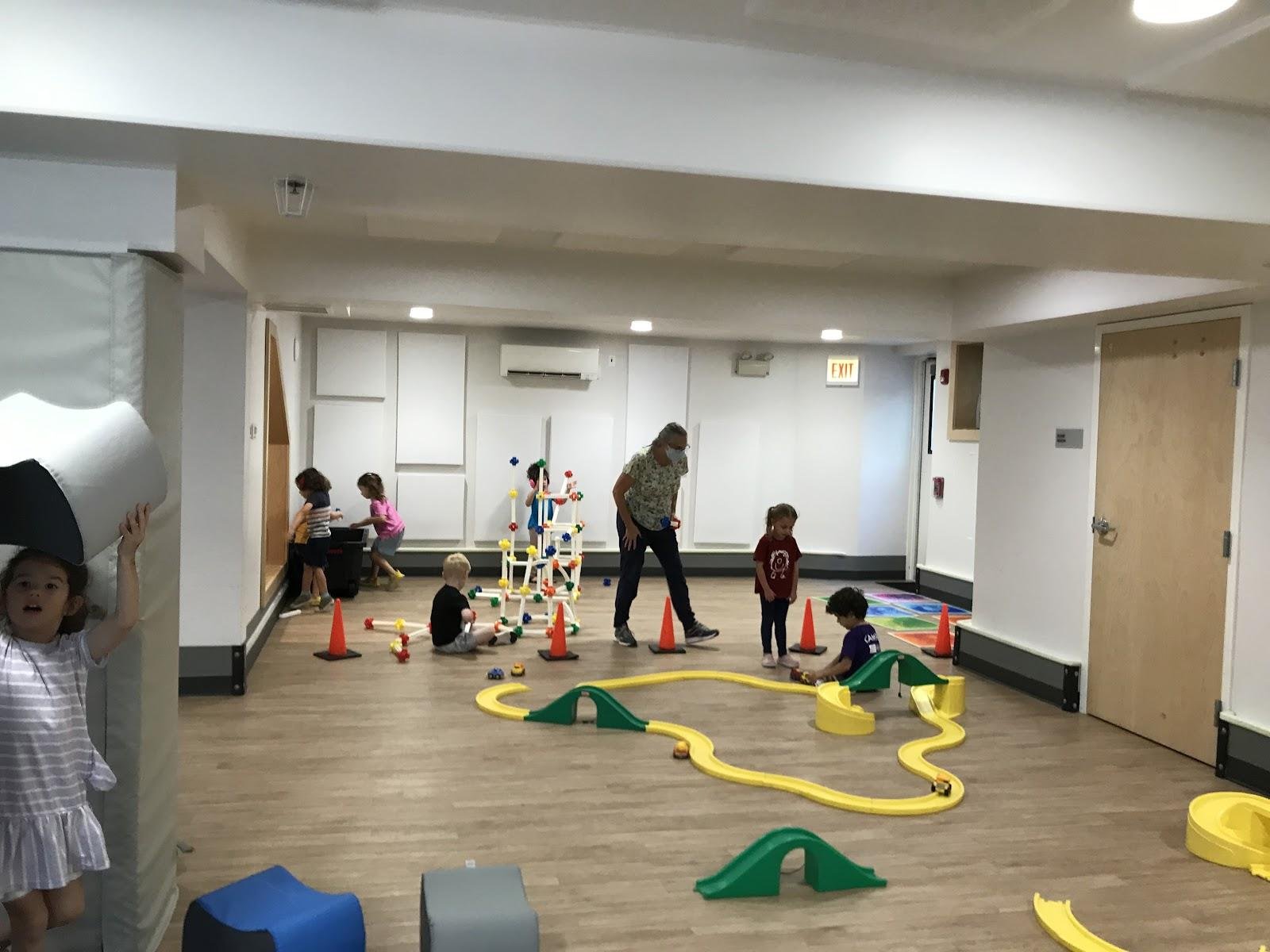
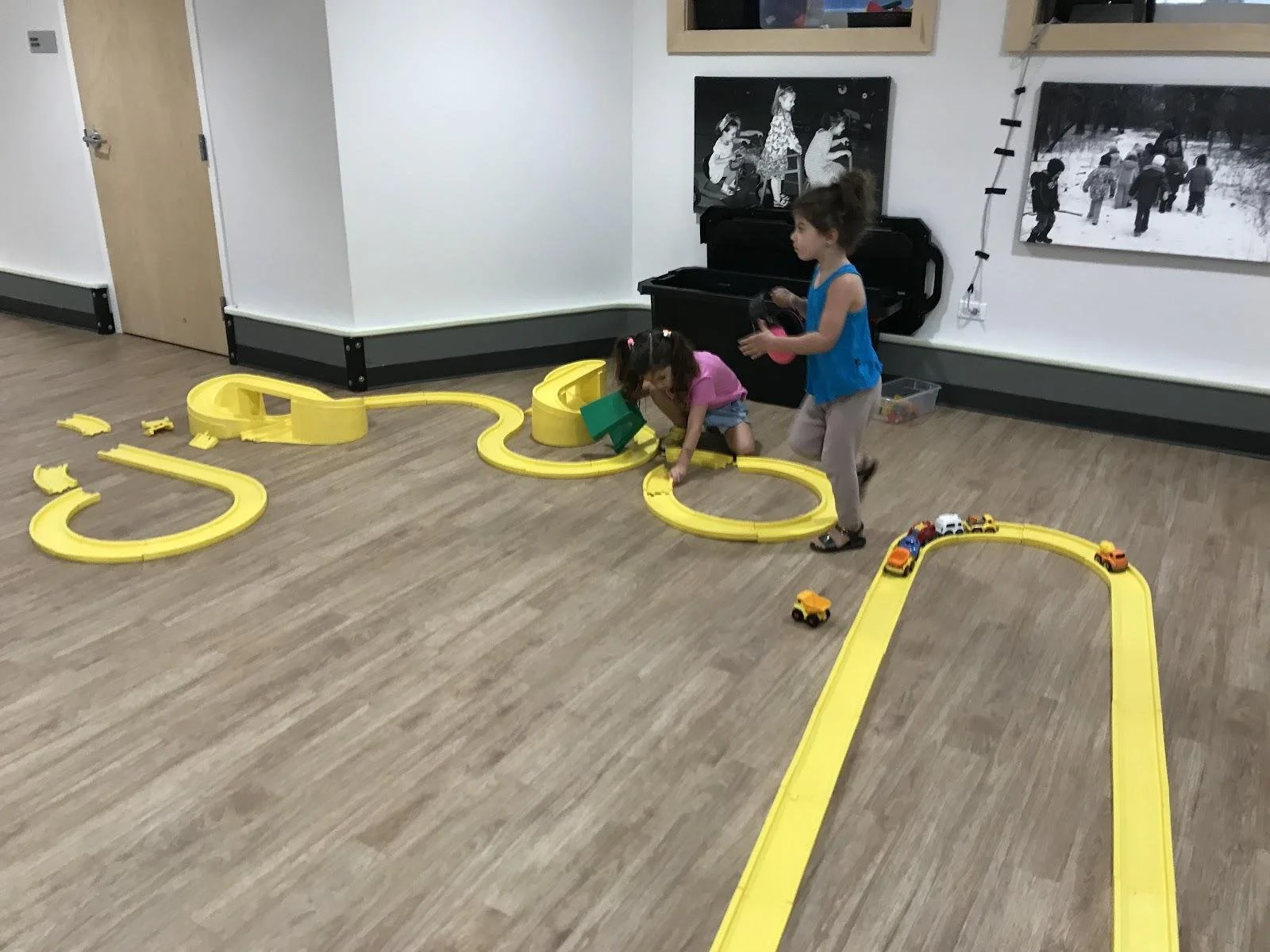
We brought out another building set (white bars that snap into colorful connectors,) and kids worked on making a house and a garden, then called the fire department to come spray out a fire. The yellow tracks are also still out, and we are getting very practiced at configuring lots of different roads! 

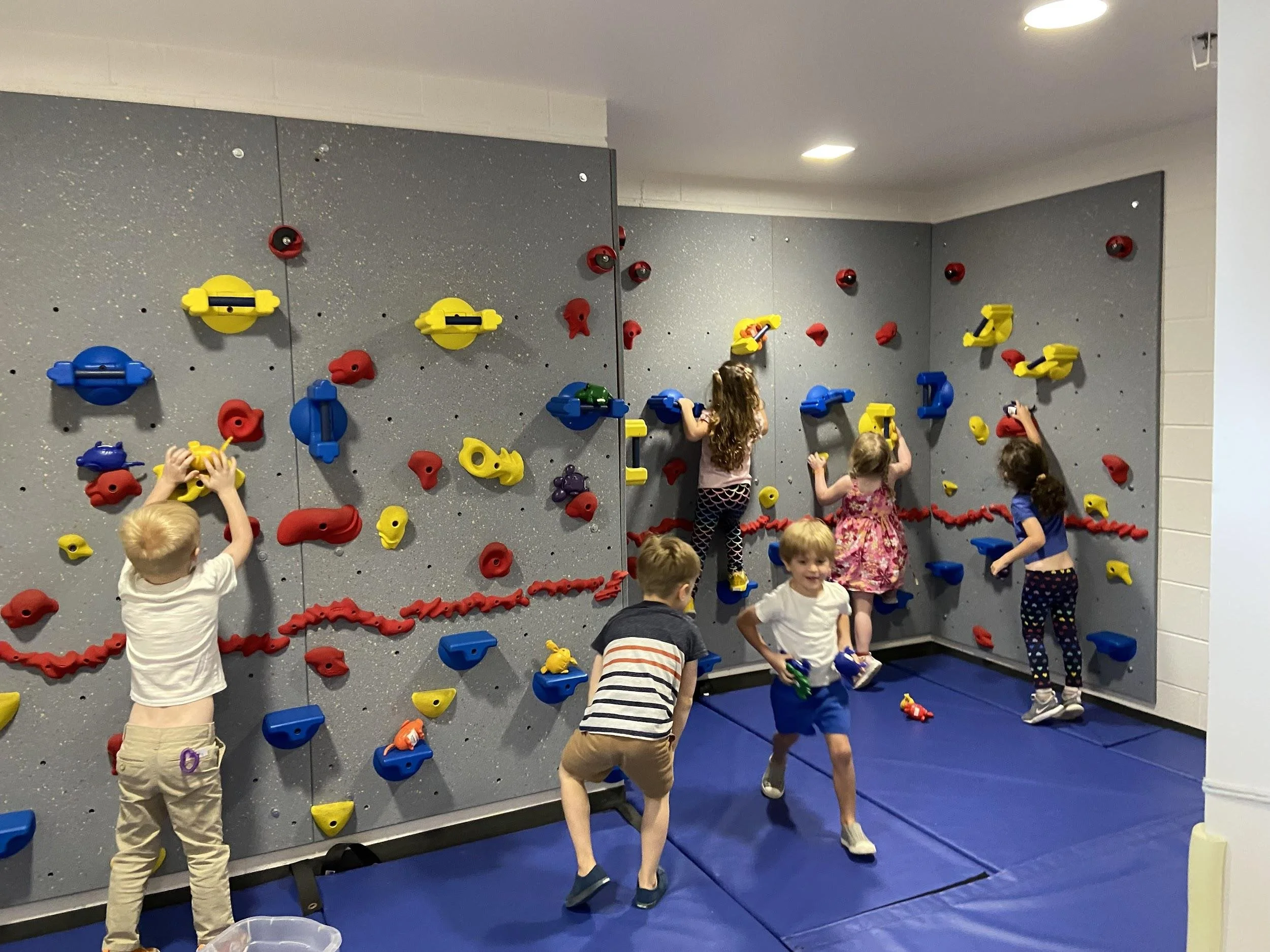
We’ve also been rescuing animals from high up places. Have you heard about it?!

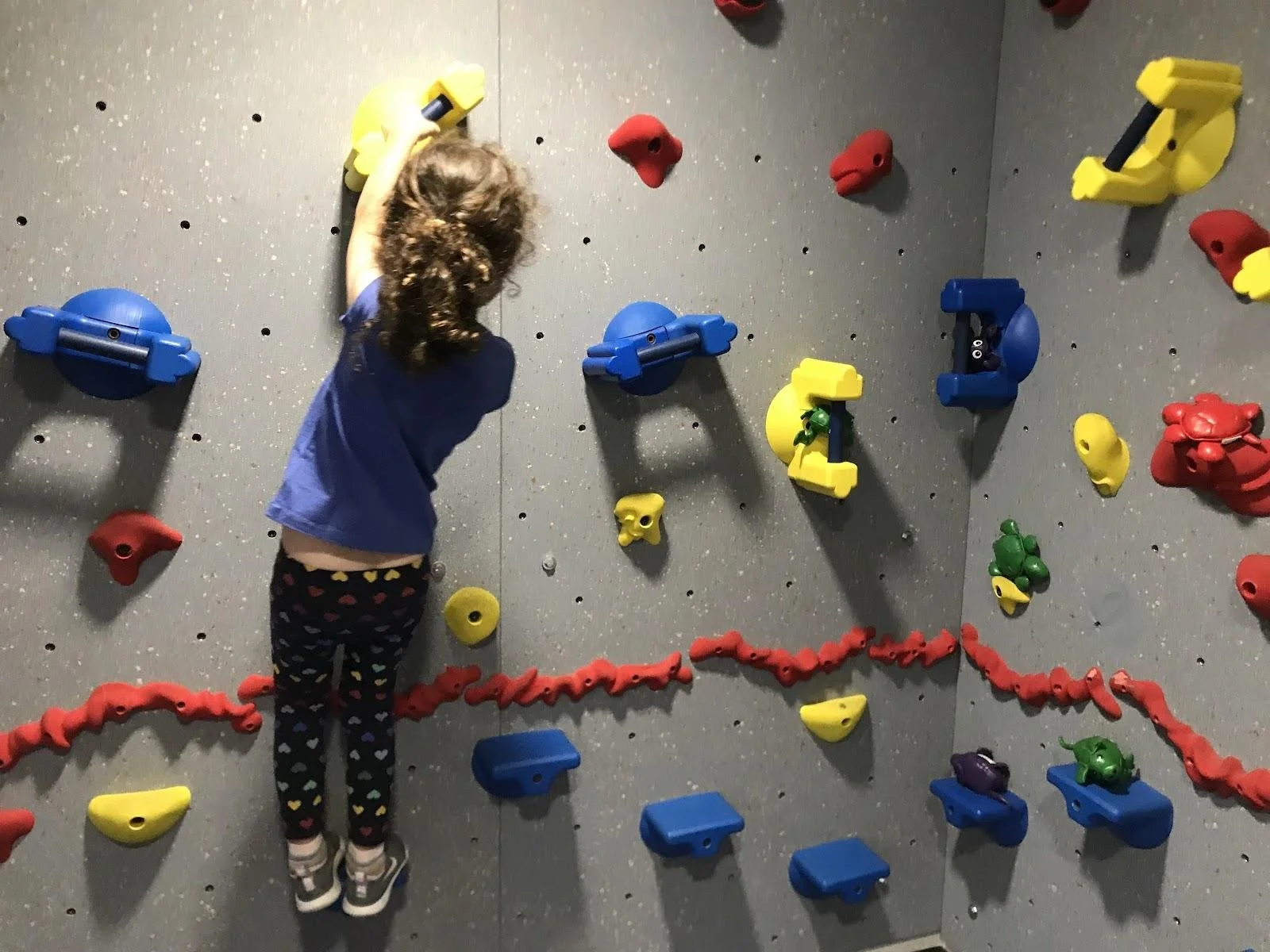
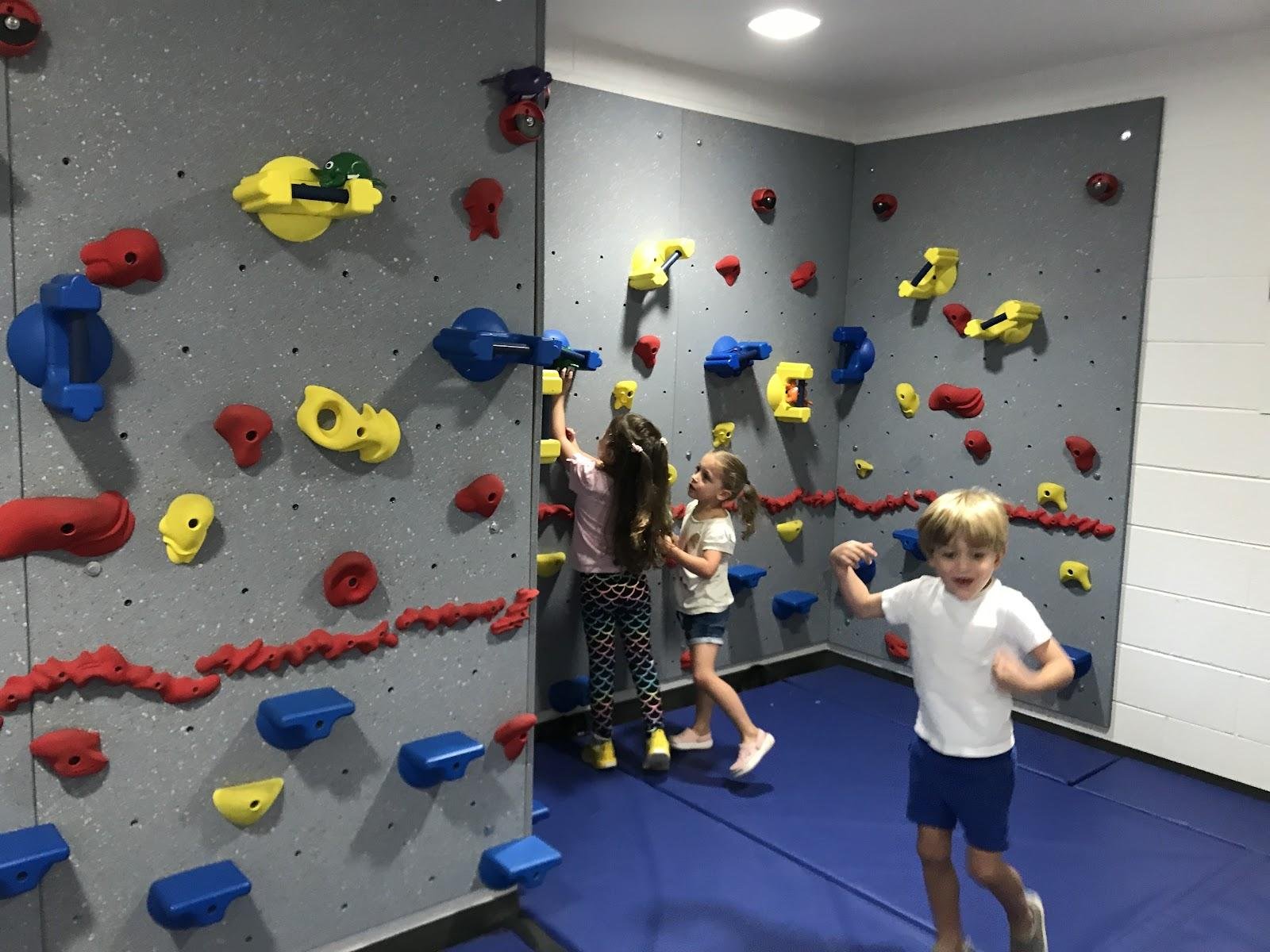
Kids have been climbing up on our climbing wall to help animals get down. Some kids have enjoyed being the ones to help teachers put them up there (or choosing spots way down below, “Ha! That’s too easy! Isn’t that too easy?!”)

We missed those of us who were not here, but look forward to playing with them again soon. Thanks for peeking. See you next time! 

2WEST

Home-School Connections

As children leave the comfort and familiarity of home and family, they are encountering new people, spaces, activities, and routines at Park West. We hope they will come to feel that their school, and their classroom, is their space as well. To that end, we try to provide ways to foster this sense of belonging, and to make a connection for them between home and school. 

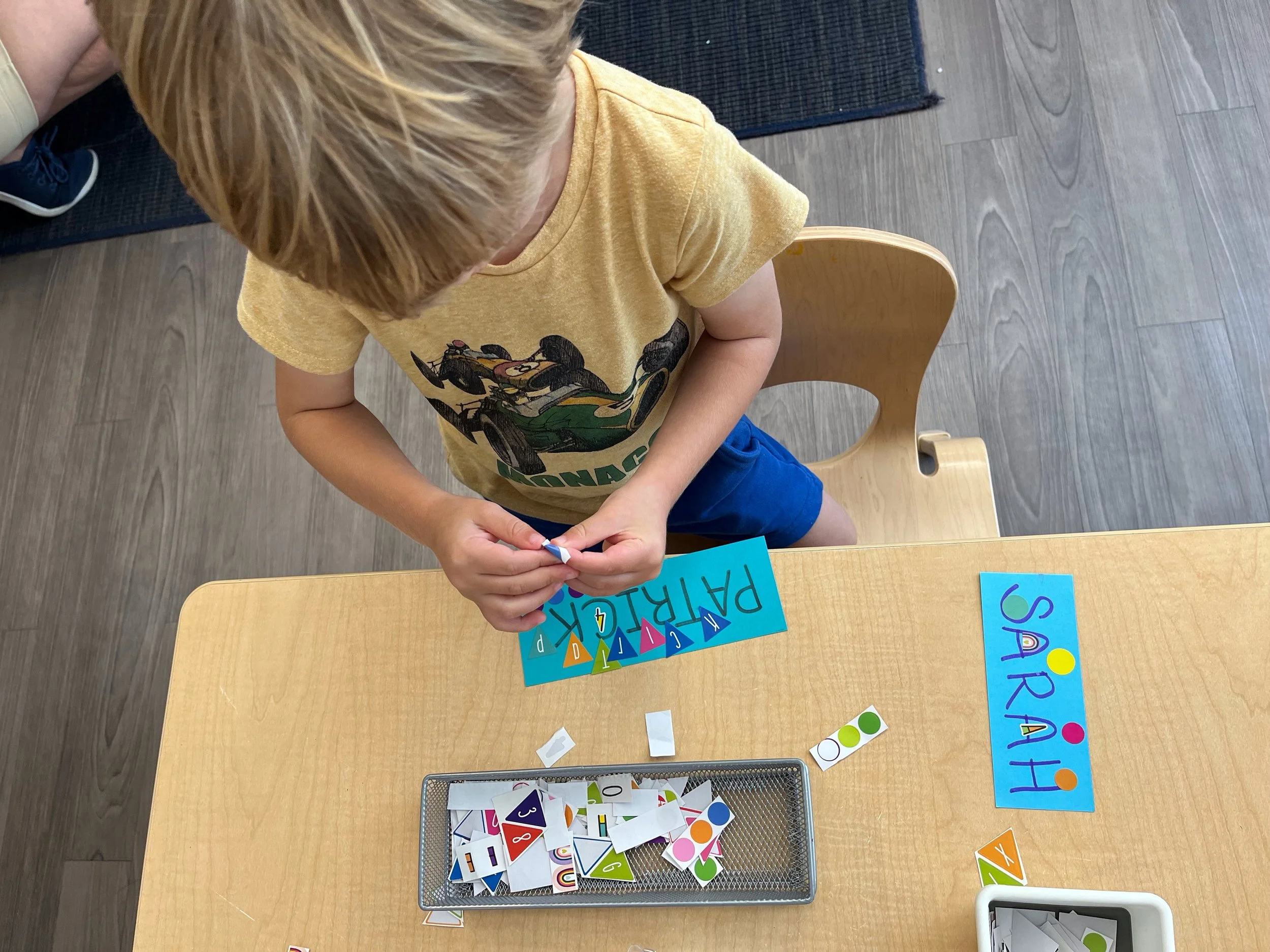
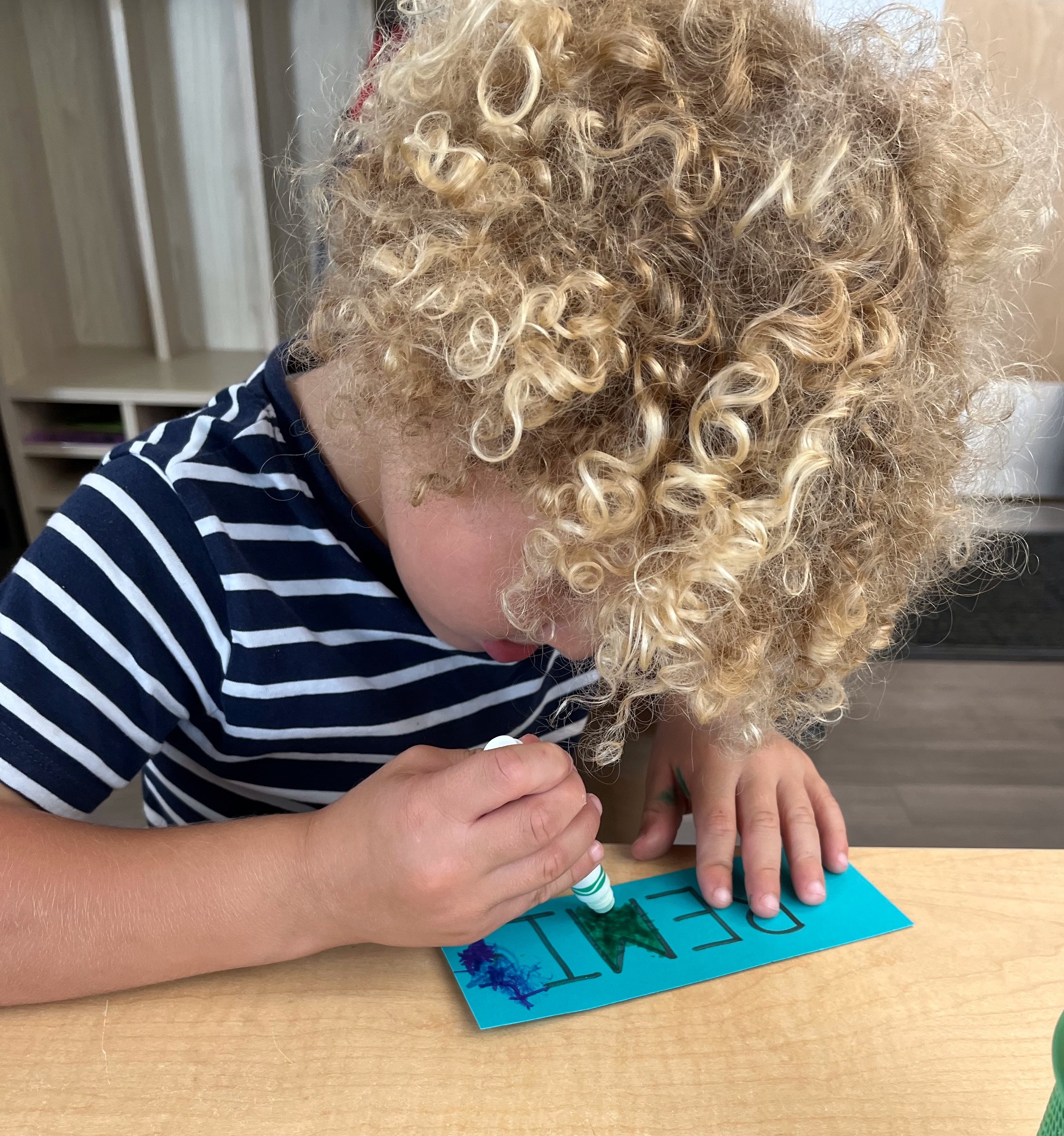
One way is by designating a space in the classroom that is just for them. Amid all the communal spaces, we provide a cubby space for each child. With a hook for coats and bags, and a shelf to store artwork or things from home, each space is marked by a name tag with their photo. Children chose a spot to hang their name tag, and now they can see exactly which spot is theirs. Along with the cubby tag with their picture, we provide a name tag to designate their little storage shelf under the bench. Last week kids decorated those tags with stickers, stamps and markers. 


They will come to learn that their cubby is their safe space, where things from home won’t be bothered or used by other kids. Some even sit on/in the cubbies for a chat at arrival or a quiet respite during a busy day. Many kids spend time studying all the names and faces of their classmates on the cubby tags. The tags can also be a handy visual tool as kids are learning to write their names, or their friend’s, and may be carried over to the easel or tables to give kids a closer look at the letters.

The little canvas bag with your child’s name on it is another way we provide a home-school connection. Something that came from school, and can go back and forth to carry treasures or practical things, offers a type of transitional object for your child. This bag is a good size to carry rolled-up paintings and other artwork, and is small enough to discourage bringing too many things, or becoming too heavy. Your child may like to bring it - or another bag or backpack - to school each day. 

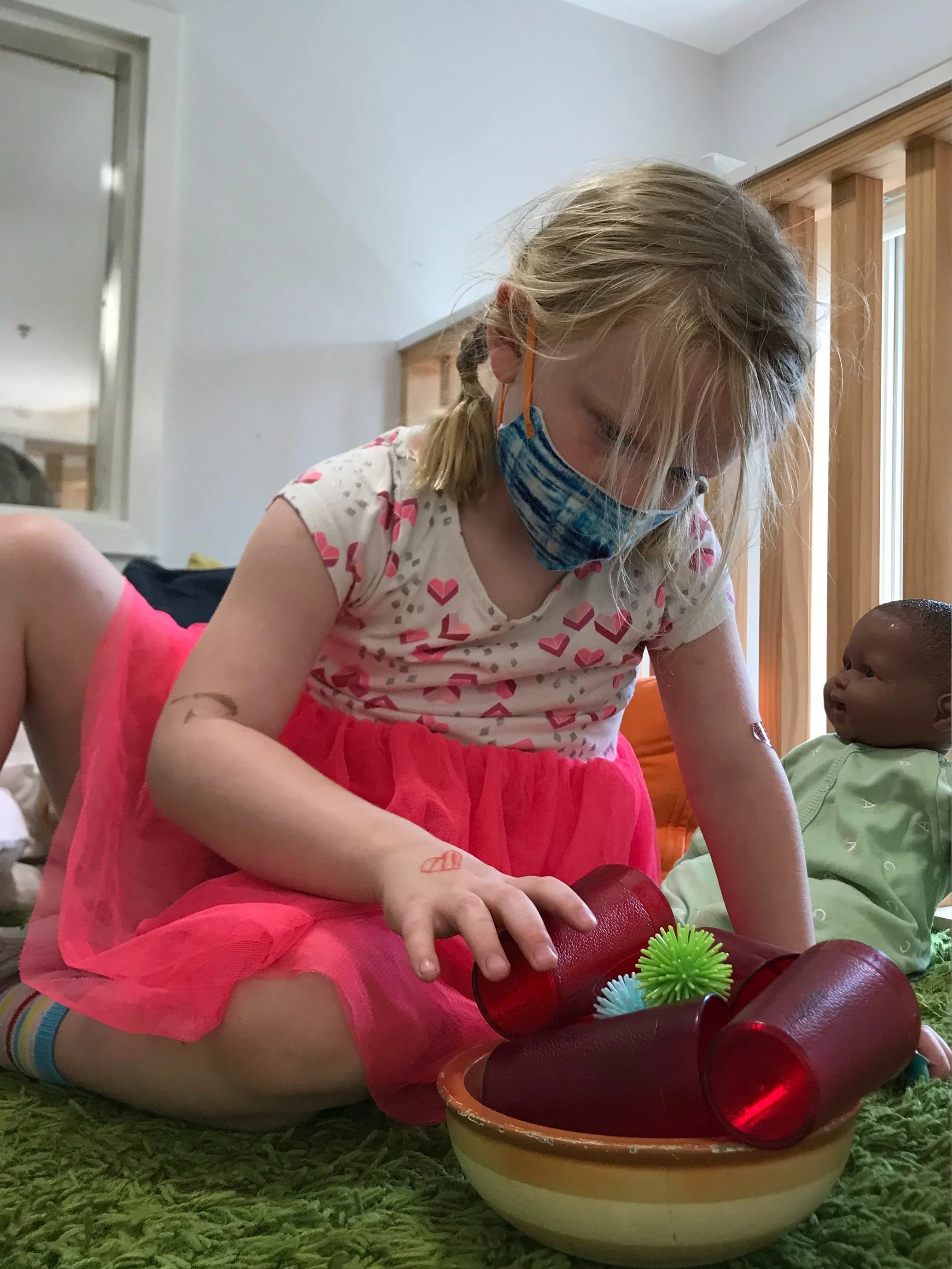
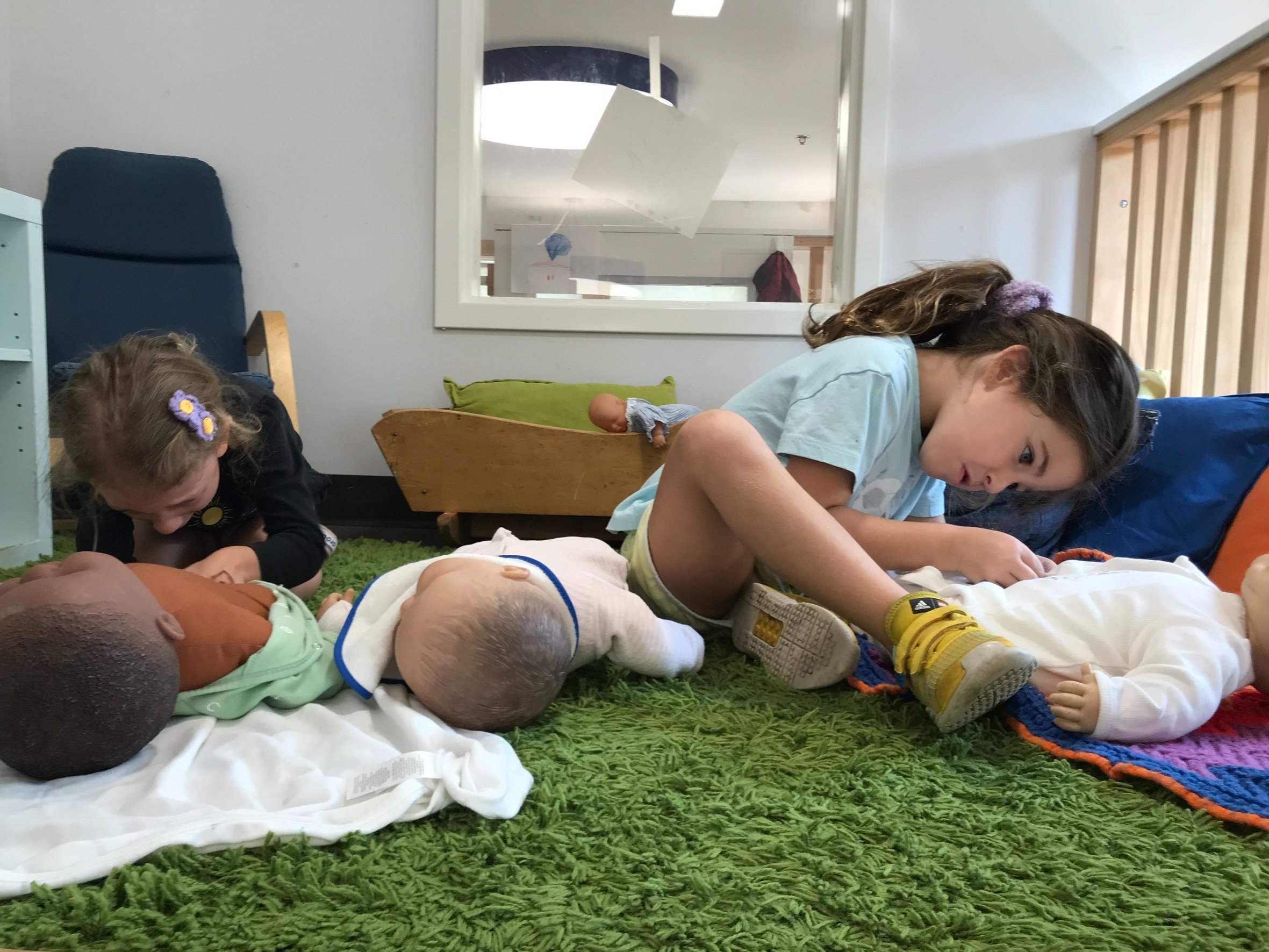
We also like to offer materials and activities that are familiar to kids, and may provide a bit of home at school. We sing songs that may already be in your child’s repertoire, especially in the beginning of the year. We’ve had some enthusiastic renditions of Twinkle Little Star at our group times as kids recognize and join in to sing a familiar tune! The play kitchen and babies invite family play, which is a great way for children to process and think about home. There is much cooking and serving of food, timers set and dinging, babies given bottles. Imaginative play can give kids a chance to take on other family roles, pretending to “go to work,” deciding on bedtimes, or leaving the baby with a babysitter. Sharing snack together is another way to bring in elements of home. Eating together and chatting around the table is a familiar and enjoyable time for most kids. Bringing the snack can be a nice way to think about school at home, and provide that connection to home while in JK. We mentioned our snack calendar to the kids the other day, so your child might start asking when their turn will come. We also intend to compose our Family Book soon, so that kids can look at their family photos while at school. This is usually a nice touchstone, a great conversation starter, and a way for children to get to know each other’s families. 


Of course, their biggest connection between home and school is you. As you supported your child through separation, they could see that you were also getting to know the teachers and becoming familiar with this space. Seeing you connecting and conversing with us can reassure them that teachers can be trusted resources at school. Thanks for the opportunity to work with your family, and for opening up your home and family to us - just as we welcome you and your family into our Park West home. We really appreciate all the care and time you’ve offered to us and your children, as they expand their ideas and widen their understanding of school, and our connection to your home and family.